Better Together: The ultimate vitamin C combinations
Vitamin C is likely already part of your daily routine, whether through fresh fruits, vegetables or supplements. But are you aware of just how effectively it works when combined with other essential nutrients? Nutrient synergy happens when vitamins and minerals team up, making them even more effective together than they are alone. Understanding these powerful partnerships can significantly boost your health and wellbeing.

Contents
When you embrace nutrient synergy, you optimise your nutrition without additional effort. Instead of simply taking more supplements, you make each one count more effectively. This holistic approach supports your physical health and enhances your body’s natural functions such as immunity, skin vitality, and energy levels.
For example, pairing vitamin C with iron-rich foods can help tackle feelings of fatigue linked to iron deficiency, as vitamin C increases your body’s iron absorption. Similarly, combining vitamin C with collagen can revitalise your skin, keeping it youthful and resilient. Understanding these interactions allows you to make smarter choices and get the most from your meals and supplements.
Vitamin C and iron
Why is vitamin C crucial for iron absorption?
Iron is essential for your overall health, helping oxygen travel effectively throughout your body. Without enough iron, you may feel constantly tired, lack energy, or even experience shortness of breath. Yet, getting iron from your diet isn’t always straightforward, as the type of iron and what you pair it with matters significantly.
This is where vitamin C steps in, offering you a simple yet powerful solution. Vitamin C enhances your body’s ability to absorb non-haem iron, the form found in plant-based foods such as beans, spinach, lentils, and fortified cereals. Unlike haem iron from animal sources, non-haem iron isn’t easily absorbed. By combining vitamin C-rich foods or supplements with iron, you dramatically improve your body’s uptake of this crucial nutrient.
Easy ways to pair vitamin C with iron-rich foods
Incorporating vitamin C with iron-rich foods doesn’t require complicated changes to your diet. Simple combinations can lead to noticeable improvements in your iron levels and overall health:
- Spinach salad and citrus dressing: Drizzle fresh lemon or orange juice over your spinach salad. This small change helps your body absorb more iron from leafy greens.
- Fortified breakfast cereal with berries: Add vitamin C-packed strawberries or blueberries to your cereal to enhance iron absorption.
- Bean stew with bell peppers: Cook your favourite beans alongside vitamin C-rich bell peppers to maximise the nutritional value of your meals.
These small dietary adjustments are easy to adopt and can quickly become part of your daily routine, making a significant difference to your health.
Benefits of pairing vitamin C and iron
By regularly pairing vitamin C with iron, you can:
- Reduce fatigue: Better iron absorption can help you feel more energised and less tired.
- Support cognitive function: Adequate iron helps maintain clear thinking, focus, and memory.
- Boost immunity: Both iron and Vitamin C support a healthy immune system, helping you fend off common illnesses.
If you’re vegan, vegetarian, or prone to iron deficiency, this partnership is especially beneficial. It ensures you receive enough iron to stay healthy and energised throughout your day.
Vitamin C and collagen
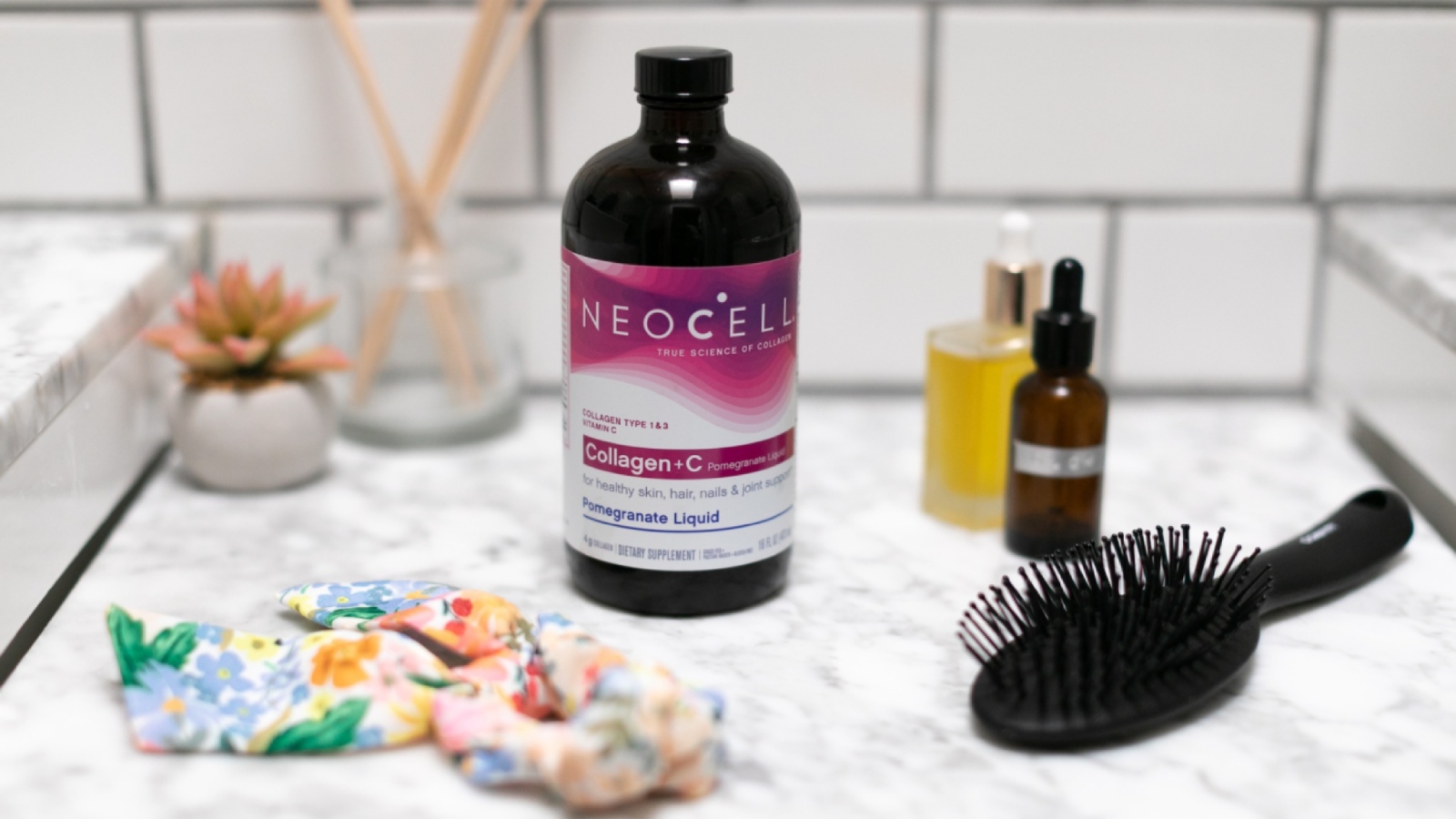
You probably know collagen is essential for keeping your skin youthful, firm, and vibrant. But did you realise that vitamin C is your skin’s best friend when it comes to boosting natural collagen production? Collagen is a protein crucial for maintaining skin elasticity and structure, reducing signs of ageing, and ensuring overall skin health. Without enough vitamin C, your body struggles to produce collagen effectively, potentially leading to dull, dry, or prematurely ageing skin.
Vitamin C isn’t just another beauty trend. It’s scientifically proven to play an active role in collagen synthesis. Your skin naturally contains high concentrations of vitamin C, protecting cells from damage caused by environmental factors like sun exposure and pollution. Regularly including vitamin C-rich foods or supplements in your diet ensures that your skin remains resilient and healthy from within.
Simple ways to boost collagen with vitamin C
Adding vitamin C to your skin care and diet doesn’t have to be complicated. Here are straightforward, effective ways you can incorporate this vital nutrient to enhance your collagen levels:
- Fresh fruit smoothies: Blend vitamin C-rich fruits such as oranges, kiwi, strawberries, and mangoes for a refreshing daily boost.
- Healthy salads: Toss vibrant greens like kale and spinach with citrus slices, bell peppers, or tomatoes to naturally support collagen production.
- Topical skin care products: Choose natural beauty serums or creams enriched with vitamin C to complement dietary intake, maximising collagen-boosting benefits.
By making these easy dietary and skincare adjustments, you actively support your skin’s natural ability to produce collagen, keeping you looking fresh and youthful.
Proven benefits of vitamin C and collagen
When you consistently combine Vitamin C with collagen-focused care, you enjoy multiple skin health benefits, including:
- Reduced signs of ageing: Increased collagen production helps diminish fine lines, wrinkles, and sagging skin.
- Enhanced skin hydration: Vitamin C supports the skin’s moisture barrier, helping to maintain hydration and softness.
- Improved skin repair: Boosting collagen accelerates healing, ensuring your skin recovers faster from minor injuries and blemishes.
With these powerful effects, vitamin C becomes a vital addition to your daily beauty and health routine, helping you maintain radiant, resilient skin naturally and effortlessly.
Vitamin C and zinc

Your immune system works tirelessly to protect you from illnesses, infections, and everyday stressors. Vitamin C and zinc individually offer remarkable immune-supporting properties, but did you know they are even more effective together? Understanding how these two nutrients interact can significantly enhance your body’s natural defence mechanisms.
Vitamin C is well-known for its antioxidant properties, actively protecting your cells from damage caused by free radicals and environmental stressors. Additionally, it strengthens your immune response by supporting the function of various immune cells, ensuring your body can respond quickly to infections. On the other hand, zinc is essential for maintaining healthy immune cell function, helping you fight off viruses and bacteria more efficiently.
Together, these nutrients form a powerful duo. Research shows that combining Vitamin C and zinc significantly boosts your body’s resilience, especially during cold and flu seasons.
Effective ways to combine vitamin C and zinc
Pairing vitamin C and zinc is straightforward and convenient. Here are some easy ways to incorporate this beneficial combination into your daily routine:
- Supplement smartly: Look for supplements combining vitamin C and zinc, making it easier to maintain consistent daily intake.
- Snack wisely: Enjoy snacks such as pumpkin seeds, nuts, or dark chocolate, alongside citrus fruits or berries for a natural immune boost.
- Balanced meals: Combine zinc-rich foods, like chickpeas, lentils, or lean meat, with vitamin C-rich vegetables such as broccoli and bell peppers.
Including these nutrient-rich foods in your daily diet supports a strong, responsive immune system, naturally enhancing your body’s defences.
Proven benefits of vitamin C and zinc
Combining vitamin C and zinc in your diet or supplement regimen brings several powerful immune-boosting advantages, including:
- Reduced severity and duration of colds: Regular intake of both nutrients can help you recover more quickly and experience fewer severe symptoms.
- Improved healing: Vitamin C and zinc accelerate wound healing and tissue repair, helping your body recover efficiently from minor injuries.
- Increased antioxidant protection: This nutrient pair actively combats oxidative stress, providing essential protection against daily environmental stressors.
By consciously pairing vitamin C and zinc, you strengthen your body’s natural defences, keeping yourself healthier and more resilient all year round.
Vitamin C and D
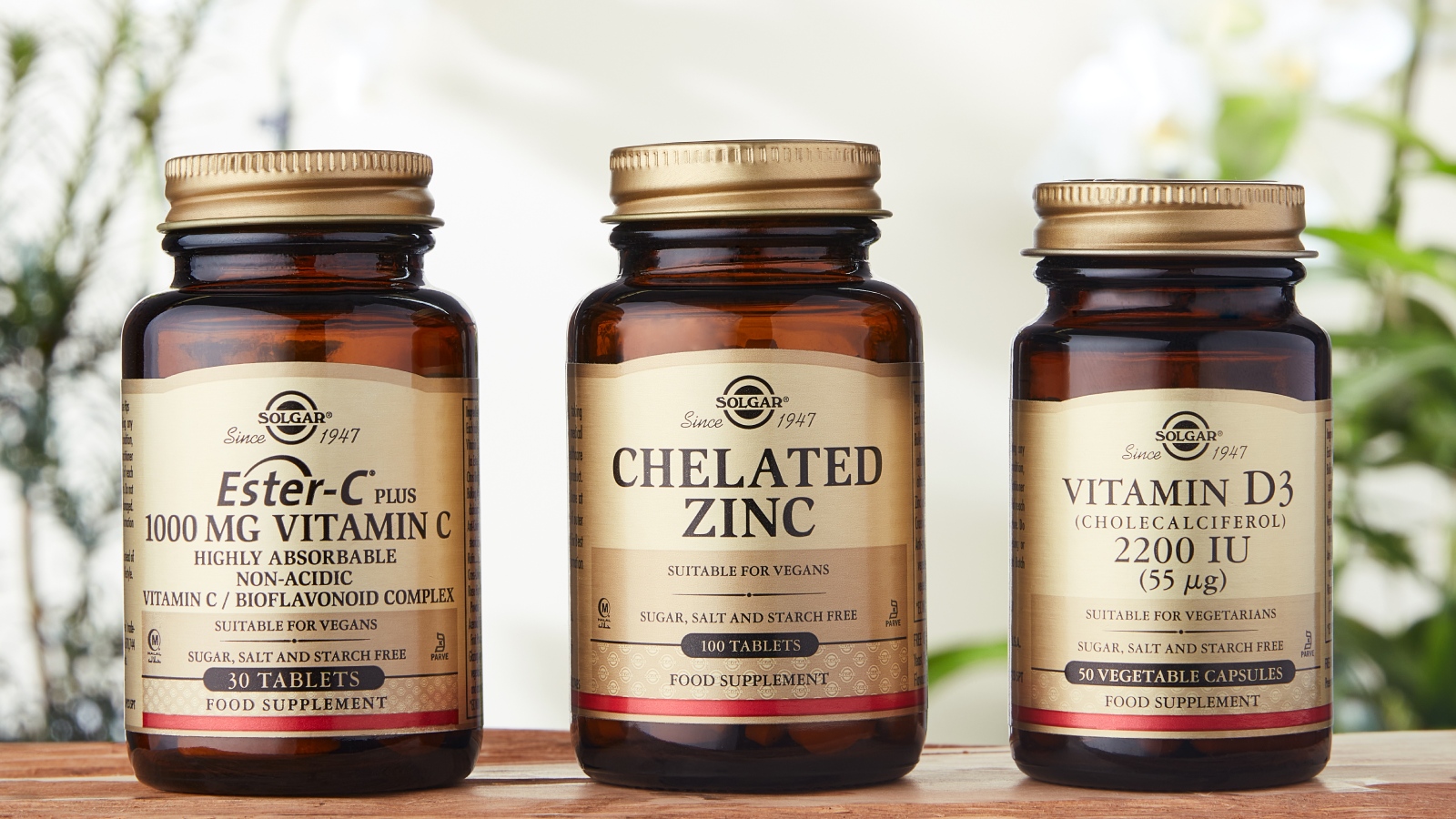
Can vitamin C enhance the effectiveness of vitamin D?
You probably know vitamin D as the sunshine vitamin, essential for healthy bones, teeth and a robust immune system. But did you realise pairing vitamin D with vitamin C could further amplify its benefits? Although vitamin C doesn’t directly increase vitamin D absorption, combining these two nutrients can significantly boost your overall health, especially your immune and bone health.
Vitamin D primarily helps your body absorb calcium, keeping your bones strong and supporting your immune system. Vitamin C complements this by providing powerful antioxidant protection, supporting your immune system, and enhancing your body’s overall resilience. Together they offer a comprehensive approach to maintaining optimal health.
Easy ways to combine vitamin C and vitamin D in your diet
Integrating both vitamins into your diet is straightforward, requiring only simple changes to your daily routine.
- Morning smoothie boost: Blend vitamin D-fortified milk or yoghurt with vitamin C-rich fruits like kiwi, oranges or strawberries.
- Balanced meals: Enjoy dishes featuring oily fish such as salmon or mackerel, rich in vitamin D, alongside vegetables packed with vitamin C like broccoli or kale.
- Supplement effectively: Consider combining supplements containing both vitamins, making it easy for you to meet daily nutritional needs.
These easy adjustments ensure you’re benefiting fully from both vitamins, enhancing your nutritional balance.
Key health benefits of combining vitamin C and vitamin D
By regularly combining vitamin C and vitamin D, you gain several vital health advantages, such as:
- Stronger bones: Vitamin D enhances calcium absorption, while vitamin C supports bone health through collagen formation, improving strength and resilience.
- Enhanced immune function: Both vitamins actively support immune health, reducing your susceptibility to common illnesses and infections.
- Improved mood and energy: Maintaining healthy vitamin D levels contributes to emotional wellbeing while vitamin C helps reduce fatigue and enhance overall vitality.
Choosing to regularly include vitamin C alongside vitamin D in your diet or supplement routine ensures a more rounded approach to wellness. Embracing this nutrient synergy can noticeably enhance your daily health, keeping you active, resilient and energised.
Vitamin C and E
How do vitamin C and vitamin E work together as antioxidants?
Antioxidants are vital defenders of your health, combating harmful free radicals that damage cells and accelerate ageing. Both vitamin C and E individually play important roles in protecting your body, but together they form an even stronger protective partnership. By understanding how these two powerful vitamins interact, you can maximise their benefits for your health.
Vitamin C is a water-soluble antioxidant which means it works within the fluid environments of your body. It actively neutralises free radicals and regenerates vitamin E, another potent antioxidant. Vitamin E, a fat-soluble antioxidant, protects your cell membranes from oxidative damage When combined, vitamin C helps to recycle vitamin E, extending its effectiveness and providing comprehensive antioxidant protection for your entire body.
Simple strategies to combine vitamin C and vitamin E
Integrating vitamins C and E into your daily routine is easy and effective. Here are some simple strategies and practical tips you can implement immediately:
- Snack smartly: Pair nuts and seeds, rich in vitamin E, with fresh citrus fruits or berries high in vitamin C for a nutritious snack.
- Balanced salads: Drizzle vitamin E-rich olive oil over salads packed with vitamin C-rich greens like spinach and peppers.
- Effective skin care: Opt for natural beauty products containing vitamins C and E for enhanced skin protection and nourishment.
Health advantages of vitamin C and vitamin E
When you regularly combine vitamin C and vitamin E, you unlock several impressive health benefits:
- Enhanced skin protection: Together, these vitamins guard your skin against damage from environmental factors, promoting a healthier complexion.
- Reduced oxidative stress: Regular intake of both vitamins helps lower oxidative stress, potentially reducing inflammation and improving your overall health.
- Support for healthy ageing: The antioxidant synergy helps slow down signs of ageing, maintaining your vitality and energy levels.
By combining vitamin C and vitamin E, you support your body with comprehensive protection from oxidative stress, supporting long-term health and wellbeing in a simple, natural way.
Vitamin C and magnesium
How does vitamin C interact with magnesium in your body?
Magnesium is vital for your overall health, supporting everything from heart function and bone health to energy production and muscle relaxation. But did you know that vitamin C can significantly boost magnesium’s effectiveness? By understanding how these two nutrients interact, you can ensure your body fully benefits from both, enhancing your well-being naturally.
Vitamin C aids magnesium absorption, helping your body utilise it more effectively. Magnesium, in turn, is involved in numerous enzymatic reactions, many of which vitamin C supports or enhances. Together, these nutrients help maintain optimal health, keeping your body energised, relaxed, and functioning smoothly.
Practical ways to combine vitamin C and magnesium
Combining vitamin C and magnesium in your daily routine is simple and beneficial. Here are easy tips to help you get started:
- Nutrient-packed breakfasts: Combine magnesium-rich oats or whole grains with Vitamin C-rich berries or citrus fruits.
- Healthy snacks: Snack on nuts and seeds (excellent sources of magnesium) paired with fresh fruits high in Vitamin C, like kiwi or pineapple.
- Effective supplementation: Look for supplements containing both Vitamin C and magnesium, offering convenient daily nutritional support.
These small changes can easily fit into your lifestyle, enhancing your daily nutrition without extra hassle.
Key health benefits of vitamin C and magnesium combination
Regularly pairing vitamin C with magnesium can offer multiple essential health advantages, such as:
- Better stress management: Magnesium helps relax muscles and reduce tension, while vitamin C combats stress-induced free radical damage.
- Enhanced cardiovascular health: Magnesium supports heart health, and vitamin C provides antioxidant protection, promoting overall cardiovascular well-being.
- Improved energy and mood: Magnesium is vital for energy production, while vitamin C helps reduce fatigue and enhance mood stability.
By intentionally combining vitamin C with magnesium, you optimise nutrient absorption and enhance the benefits for your overall health, keeping you energised, relaxed, and feeling your best.
Vitamin C and omega-3 fatty acids
What is the role of vitamin C in the absorption and effectiveness of omega-3 fatty acids?
Omega-3 fatty acids are essential for your health, particularly when it comes to your heart, brain, and inflammatory balance. These healthy fats help maintain fluid cell membranes, support mood regulation, and are key players in cognitive and cardiovascular function. But while omega-3s on their own are powerful, pairing them with vitamin C can take their benefits to the next level.
Vitamin C helps protect omega-3 fatty acids from oxidative damage. Because these fats are highly unsaturated, they’re vulnerable to oxidation, which can reduce their effectiveness. Vitamin C acts as a water-soluble antioxidant, helping to preserve the integrity of these delicate fats in your bloodstream. This protective role means your body can put those omega-3s to good use, supporting your heart, mind, and more.
How vitamin C and omega-3s support your body together
Both nutrients play unique roles, but their combined effects can be even more impactful. Here’s how they complement each other:
- Inflammation balance: Omega-3s are known for their anti-inflammatory properties. Vitamin C helps reduce oxidative stress that often accompanies inflammation.
- Cognitive function: DHA, a key omega-3, supports brain structure. Vitamin C assists by protecting brain tissues from free radical damage.
- Heart health: EPA and DHA help maintain healthy cholesterol levels. Vitamin C supports healthy blood vessels by encouraging collagen production and reducing oxidative stress.
Together, these nutrients promote resilience, from your cardiovascular system to your brain and beyond.
Easy ways to combine vitamin C and omega-3s
You don’t need to overhaul your diet to benefit from this duo. Simple tweaks can make a big difference:
- Balanced meals: Enjoy grilled salmon with a side of steamed broccoli or a citrus-dressed salad.
- Smart snacking: Try mackerel or sardines on wholegrain toast, paired with red pepper slices or orange segments.
- Thoughtful supplementation: Choose a high-quality fish oil or algae-based omega-3 supplement, and pair it with a Vitamin C capsule or powder for daily support.
Making these small shifts can help you get more from both nutrients, helping your body stay energised, focused, and well-protected.
Vitamin C and B Vitamins
Can vitamin C improve the benefits of B vitamins?
When it comes to energy, focus and mental clarity, B vitamins often steal the spotlight. But pairing them with vitamin C can make a noticeable difference to how your body uses and stores these essential nutrients. If you want to support your nervous system and boost energy naturally, this combination deserves your attention.
Working together for energy and mental performance
B vitamins are vital for turning the food you eat into usable energy. They help your body metabolise carbohydrates, fats and proteins efficiently. At the same time, vitamin C supports this process by maintaining the health of your adrenal glands and improving the absorption of certain B vitamins, particularly folate and vitamin B12.
Together, vitamin C and B vitamins:
- Support energy production at a cellular level
- Maintain normal nervous system function
- Help reduce tiredness and fatigue
This makes them especially useful if you’re dealing with stress, low energy, or struggling to focus.
Supporting your nervous system under stress
Your nervous system relies on B vitamins to function properly. B1 (thiamine), B6 (pyridoxine), B12 (cobalamin), and folate are all involved in producing neurotransmitters, chemicals that regulate mood, motivation and alertness. Vitamin C, meanwhile, plays a key role in the synthesis of dopamine, noradrenaline and adrenaline, crucial for mood and brain function.
If you’re under ongoing stress, your body may burn through these nutrients faster. Taking them together helps support your brain and body during busy or challenging times, especially when you feel mentally or physically drained.
A daily foundation for vitality
You can get B vitamins and vitamin C from a balanced, varied diet—especially from foods like leafy greens, whole grains, citrus fruits and berries. However, many people choose to supplement, especially during periods of increased demand.
Look for high-quality supplements that combine these nutrients in one formula for maximum convenience and effectiveness. Liposomal forms and food-based supplements can also improve absorption, especially if your digestion is sensitive.
For best results:
- Take your supplement in the morning to support daytime energy and focus
- Choose bioavailable forms like methylfolate instead of folic acid
- Combine with a balanced diet and consistent lifestyle habits
By combining B vitamins with vitamin C, you’re giving your body the tools it needs to keep up with the demands of modern life, whether you’re tackling a long to-do list, dealing with stress, or simply aiming to feel more energised and mentally clear.
Pairing vitamin C with other key nutrients can help you get more from your supplements and support your health on multiple levels. Whether you’re looking to boost iron absorption, support collagen production, strengthen your immune system or improve energy and focus, these nutrient combinations work better together. By understanding how vitamin C interacts with vitamins, minerals and essential fats, you can make smarter choices that support your wellbeing every day.
Medical Disclaimer:
Food supplements should not be used as a substitute for a varied and balanced diet and are not intended to diagnose, treat, cure or prevent any ailments.
This website contains general information about food supplements. The information is not advice and should not be treated as such. All content, including text, graphics, images and information available through this website, is for general information purposes only. bodykind makes no representation and assumes no responsibility for the accuracy of the information available through this website, and such information is subject to change without notice.
bodykind does not recommend, endorse or make any representation about the efficacy, appropriateness or suitability of any specific tests, products, procedures, treatments or other information that may be contained on or available through this website.
You must not rely on the information on this website as an alternative to medical advice from your doctor or other professional healthcare providers. You should consult your doctor or other professional healthcare providers if you have any specific questions about any medical matter. You should seek immediate medical attention if you think you may be suffering from any medical condition. You should never delay seeking medical advice, disregard medical advice, or discontinue medical treatment because of information on this website.

Comments are closed here.