Your eyes are your window to the world, yet they often don’t get the care they deserve. Maintaining strong, healthy vision involves more than just regular check-ups; it starts with the right nutrients, good habits, and protecting your eyes from daily stressors. Taking simple steps today can help preserve your sight for years to come.


FEATURED ARTICLES
-

Eye health: How to support your eyes in a screen-filled world
Discover how nutrition, screen habits and key nutrients like lutein, omega-3 and vitamin A can help support healthy eyes and vision.
-

The Tired Truth: Why your sleep habits matter more than you think
Sleep is vital to keeping your eyes healthy and functioning at their best. Knowing how poor sleep affects your vision can help you take steps to protect it.
-

A Clearer Look: Unlocking eye comfort with omega-3
Omega-3 fatty acids play a crucial role in keeping your eyes healthy, comfortable and functioning at their best. These essential fats support your vision by nourishing your retina and helping reduce dryness and irritation.
OUR TOP TIPS
Spinach, kale and collard greens are rich in lutein and zeaxanthin, antioxidants proven to protect your retina from damage.
Wear sunglasses with 100% UV protection to help prevent cataracts and age-related macular degeneration.
Follow the 20-20-20 rule: every 20 minutes, look at something 20 feet away for 20 seconds to ease eye strain.
BRAND FOCUS
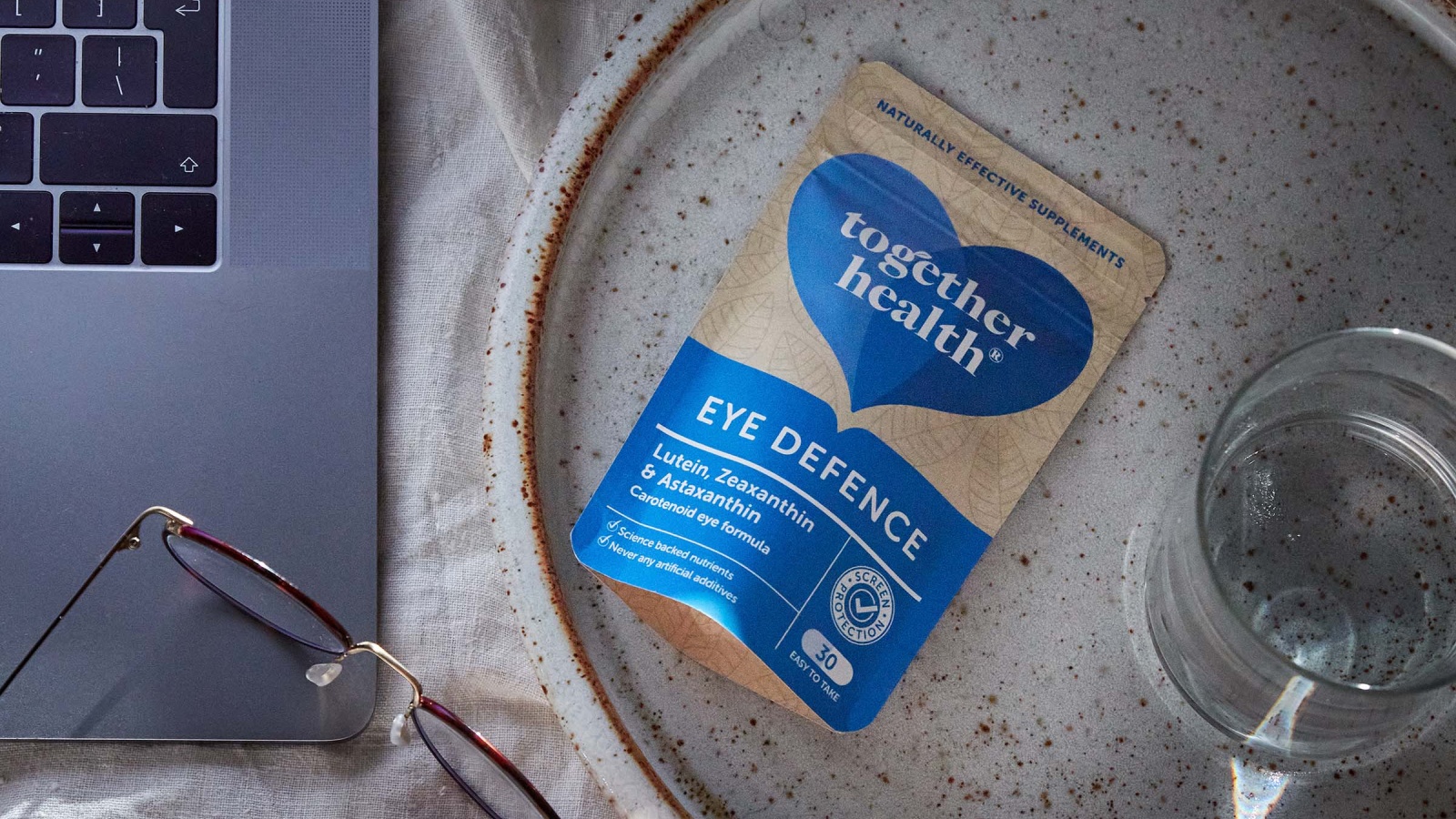
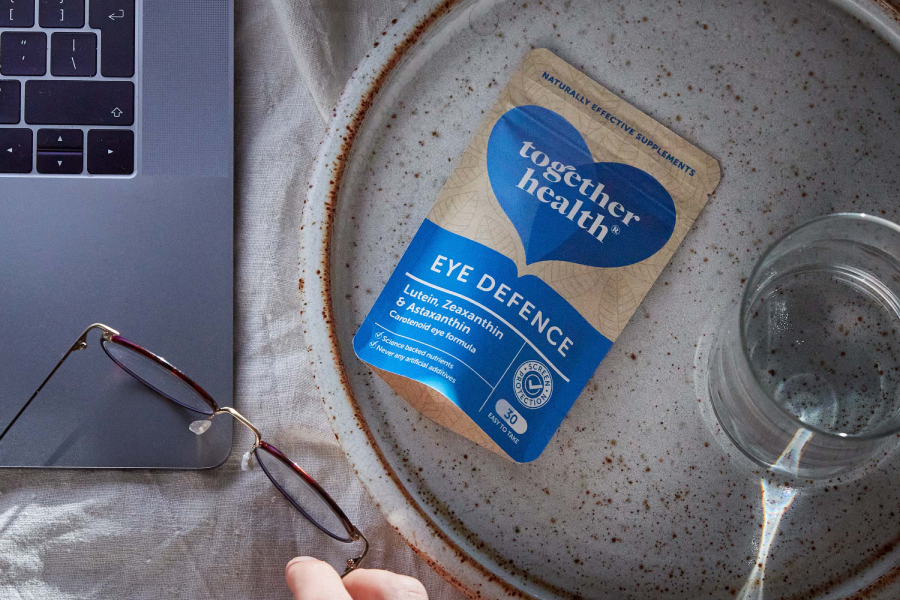
Supporting healthy vision with Together Health
Together Health creates food-based and plant-based supplements designed to provide nutrients in forms that fit naturally into your daily routine. Its approach focuses on carefully selected ingredients, simple formulations and quality manufacturing, with products independently tested for safety and contaminants.
When it comes to eye health, nutrition can play an important role in helping you maintain normal vision. Vitamin B2 (riboflavin) contributes to the maintenance of normal vision, while carotenoids such as lutein, zeaxanthin and astaxanthin are naturally found in the eye. Together Health brings these nutrients together in their targeted Eye Defence formula.
Eye Defence: A Targeted Blend for Eye Health
Together Health Eye Defence combines lutein, zeaxanthin and astaxanthin with beta-carotene, providing a comprehensive blend of carotenoids in one daily capsule. It also contains vitamin B2, which contributes to the maintenance of normal vision. The formula uses lutein and zeaxanthin from Aztec marigold flowers, astaxanthin from green micro-algae and beta-carotene from carrots.
Eye Defence provides a convenient way to complement a balanced diet with nutrients associated with normal vision. It is particularly suited to anyone looking to make eye health part of their everyday nutritional routine, with one capsule providing a combination of four key carotenoids plus vitamin B2.
WE RECOMMEND


FEATURED NUTRIENTS
Lutein is a powerful antioxidant that accumulates in your retina, protecting it from harmful light and oxidative damage.
Vitamin A may improve heart health by reducing oxidative stress, enhancing blood flow and supporting overall cardiovascular function.
Omega-3 Fatty Acids help reduce inflammation and support tear production, keeping your eyes moist and comfortable.
FAQS
What are the best foods to support healthy eyes?
How do lutein and zeaxanthin support your vision?
These antioxidants concentrate in your retina and help filter harmful blue light, reducing the risk of age-related eye diseases and improving visual clarity.
Why is vitamin A important for eye health?
Vitamin A supports good vision by maintaining the health of the surface of your eyes and enhancing night vision. A deficiency can cause dryness and increase the risk of vision loss.
Can supplements really protect your eyes from damage?
When your diet lacks certain nutrients, high-quality supplements can fill the gaps. Research shows that supplements containing antioxidants and omega-3 fatty acids may help slow age-related decline and reduce dryness.
What role do omega-3 fatty acids play in maintaining eye comfort?
Omega-3 Fatty Acids support the tear film that keeps your eyes moist. They reduce inflammation and can help ease symptoms of dry eye syndrome. Most experts recommend consuming around 250-500 mg of combined EPA and DHA daily.
How can you protect your eyes from harmful UV rays year-round?
Wearing sunglasses with UV protection, even on cloudy days, shields your eyes from damage that increases the risk of cataracts and macular degeneration.
Is blue light from screens harmful to your eyes?
Prolonged screen time can cause eye strain and discomfort, but current evidence does not confirm that blue light causes permanent damage. Using blue light filters and taking regular breaks can ease symptoms.
How does dehydration affect your eyes?
Your eyes need moisture to stay comfortable. Not drinking enough water can exacerbate dryness and irritation, so staying well-hydrated supports healthy tear production.
Using lubricating eye drops can help keep your eyes hydrated, especially if you spend long hours in dry or air-conditioned environments. Staying well hydrated supports healthy tear production and overall eye comfort.
Can poor sleep affect your eye health?
Lack of quality sleep can cause eye puffiness, dryness, and strain. Long-term sleep deprivation may increase your risk of eye disorders and worsen vision problems.
Chronic sleep loss may increase the risk of glaucoma and dry eye syndrome by reducing oxygen supply to your optic nerve and decreasing tear production.
How often should you have an eye check-up?
Regular eye exams every two years are recommended. Early detection of issues like glaucoma or macular degeneration can protect your vision before symptoms appear.
Medical Disclaimer:
Food supplements should not be used as a substitute for a varied and balanced diet and are not intended to diagnose, treat, cure or prevent any ailments.
This website contains general information about food supplements. The information is not advice and should not be treated as such. All content, including text, graphics, images and information available through this website, is for general information purposes only. bodykind makes no representation and assumes no responsibility for the accuracy of the information available through this website, and such information is subject to change without notice.
bodykind does not recommend, endorse or make any representation about the efficacy, appropriateness or suitability of any specific tests, products, procedures, treatments or other information that may be contained on or available through this website.
You must not rely on the information on this website as an alternative to medical advice from your doctor or other professional healthcare providers. You should consult your doctor or other professional healthcare providers if you have any specific questions about any medical matter. You should seek immediate medical attention if you think you may be suffering from any medical condition. You should never delay seeking medical advice, disregard medical advice, or discontinue medical treatment because of information on this website.
