Radiant Results: Unlock the beauty of mushrooms
Mushrooms aren’t just versatile in the kitchen, they’re equally adaptive in beauty formulations. Mushroom varieties like reishi, chaga and cordyceps contain polysaccharides, which enhance skin hydration by drawing moisture to your skin, similar to the action of hyaluronic acid.
Contents
- Why has there been a surge in the popularity of natural ingredients in beauty?
- Why are mushrooms good for your skin?
- Which are the most common types of mushrooms used in skin care?
- How can you incorporate mushrooms into your skin care routine?
- Can you create effective mushroom treatments at home?
- Is mushroom skin care good for any particular skin conditions?
- What makes mushrooms an ethical and sustainable skin care choice?
Why has there been a surge in the popularity of natural ingredients in beauty?
There has been a significant shift towards natural and sustainable products in the beauty aisles recently. This is driven by increased awareness of the impact of synthetic ingredients on your health and the environment. As you become more conscientious about what you put on your skin, the demand for clean, harsh-chemical-free products has skyrocketed.
Mushrooms have been used in Traditional Chinese Medicine (TCM) for centuries and have become increasingly popular recently for their many health benefits. They can boost your mood, memory and immunity, and now they’re making their mark in the beauty world.
While some skin care trends come and go, with their all-natural appeal and remarkable skin-enhancing benefits, mushrooms look set to stay. Plus they’re effective and kinder to the planet, aligning with the push towards more ethical consumption.
Why are mushrooms good for your skin?
Mushrooms and skin care might not be an obvious connection, but they’re more than just a culinary delight! Mushrooms are rich in several key compounds that can significantly enhance your skin health.
- Polysaccharides: These are responsible for the mushroom’s hydrating properties, helping to moisturise and plump your skin, which minimises the appearance of fine lines.
- Beta-glucans: Known for their soothing properties, beta-glucans help to reduce redness and repair skin damage by accelerating healing processes.
- Antioxidants: Mushrooms are packed with antioxidants such as selenium, vitamin C and choline, which help combat free radical damage, reducing signs of ageing and environmental stress on your skin.
These bioactive compounds help treat surface-level skin issues but also penetrate deeper to improve your skin from within, promoting a healthier, more youthful complexion:
- Enhancing your skin’s natural barrier: The polysaccharides in mushrooms improve your skin’s natural barrier function, reducing moisture loss and protecting against irritants and pathogens.
- Stimulating collagen production: Some mushroom types encourage the production of collagen, the protein that gives your skin its firmness and elasticity. For example, the snow mushroom has been recognised for its ability to support your skin’s collagen matrix, helping keep it supple and resilient against the formation of wrinkles.
- Relieving inflammation: Beta-glucans and other compounds have strong anti-inflammatory properties that are essential for treating skin conditions like eczema, rosacea, and acne.
- Fighting free radicals: Mushrooms are rich in antioxidants which can help to reduce the damage caused by excessive free radicals in the environment.
- Reducing hyperpigmentation and melasma: Kojic acid (a chemical produced by various types of mushrooms), is an effective skin-lightening agent, known for its ability to reduce the effects of hyperpigmentation, sunspots and melasma.
Mushrooms can contribute to healthier skin that looks better on the surface and is more resilient and vibrant.
Which are the most common types of mushrooms used in skin care?
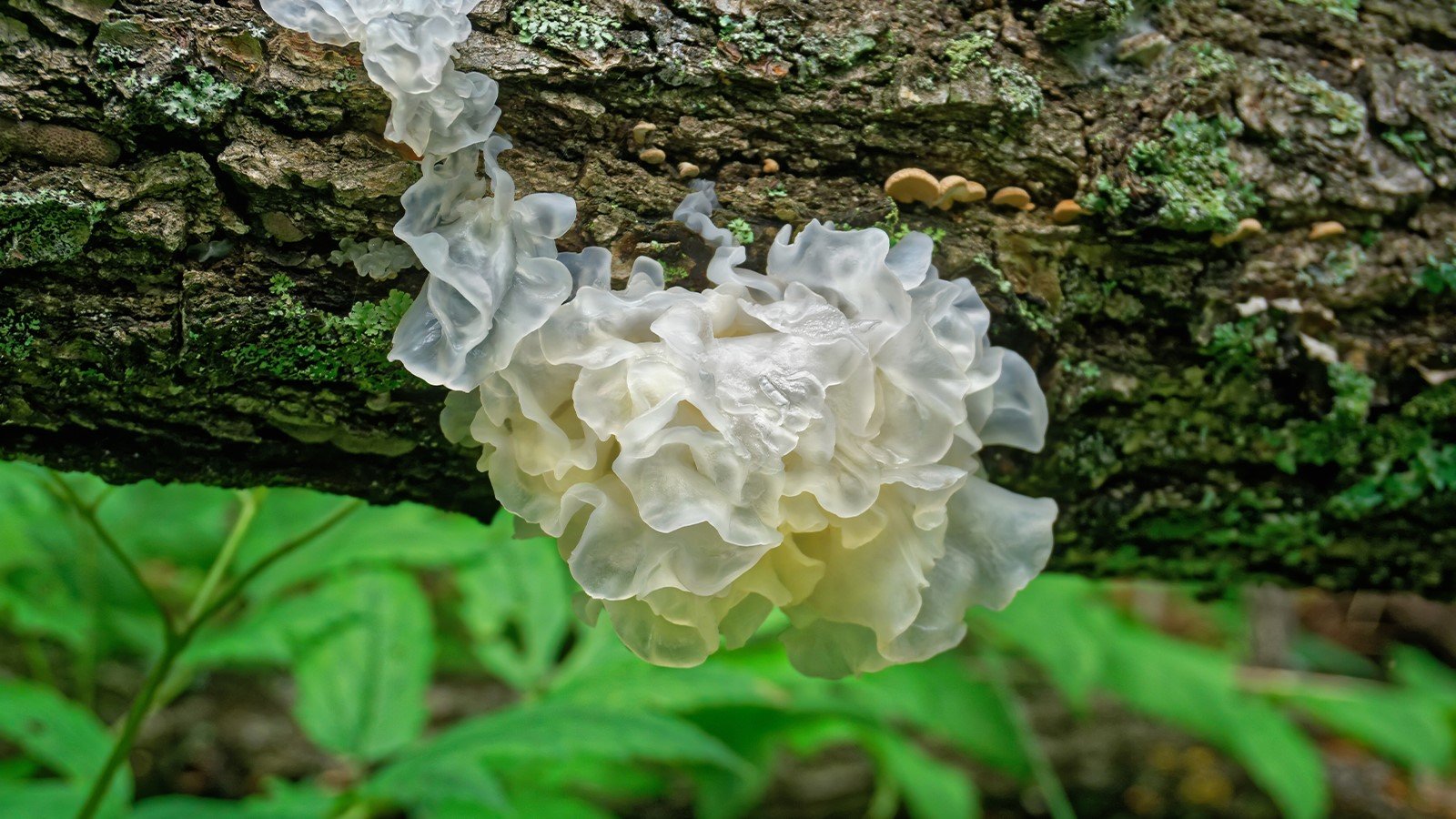
Certain mushrooms stand out for their exceptional skin-enhancing properties. Among the most celebrated are reishi, shiitake, tremella and chaga mushrooms. Each brings unique benefits to skin care formulations, making them sought-after ingredients in your quest for a radiant complexion.
Tremella mushrooms
Often referred to as ‘snow mushrooms’, tremella mushrooms have a remarkable ability to retain moisture.
Famous for its super hydrating effects, tremella can hold up to 500 times its weight in water, making it a powerhouse for deep hydration and enhancing skin elasticity. Their gelatinous structure helps hydrate your skin by creating a protective barrier that locks in moisture.
Products containing tremella are ideal if you’re looking to boost hydration and give your skin a plump, dewy finish.
Reishi mushrooms
Often hailed as the ‘mushroom of immortality’ in Eastern medicine, reishi mushrooms boast anti-inflammatory and antioxidant qualities.
This makes reishi an excellent choice for reducing redness and calming skin irritation. If you’re battling sensitive or reactive skin, products infused with reishi mushroom extracts could provide that much-needed soothing effect. Its soothing properties also make it an ally against eczema and rosacea.
Reishi is known for its anti-ageing benefits, helping to reduce the appearance of fine lines and wrinkles by fighting free radical damage and promoting cell regeneration.
Shiitake mushrooms
Shiitake mushrooms are rich in kojic acid, a natural compound known for its brightening properties. Shiitake-based products can help even skin tone and fade sunspots without the harshness of conventional chemical whiteners. This makes shiitake a star ingredient in serums and creams to enhance skin luminosity.
Beyond skin brightening, shiitake mushrooms are celebrated for their high vitamin B and D content, crucial for skin repair and overall health. They help improve your skin elasticity and reduce the appearance of ageing.
Chaga mushrooms
Chaga mushrooms stand out for their high levels of antioxidants. Antioxidants protect your skin against environmental stressors and oxidative stress, key factors in premature ageing. Chaga is particularly valuable in skin care products aimed at environmental defence, helping to maintain your skin’s resilience and vitality.
Chaga also promotes skin vitality and reduces inflammation, making it excellent for anti-ageing formulas.
How can you incorporate mushrooms into your skin care routine?
If you’re keen to incorporate the wonders of mushrooms into your skin care routine, you’ll be delighted to know that many brands are embracing these natural powerhouses. Products infused with mushrooms are not only trending, but they’re highly effective in addressing many skin concerns.
Let’s explore some standout mushroom-infused beauty products and their uses to help you make informed choices.
Discover your perfect match
- Brightening: Look for serums containing shiitake mushrooms, known for their brightening properties due to kojic acid, which naturally lightens skin pigmentation and age spots.
- Hydrating: Creams and serums with tremella mushrooms, often hailed as ‘nature’s hyaluronic acid,’ provide exceptional hydration and help your skin retain moisture, for that sought-after dewy glow. Sukin Natural Actives Hydrating Facial Serum is a gel-based skin booster suitable for all skin types that will leave your skin feeling plump, bouncy and youthful.
- Anti-ageing: Reishi mushrooms are packed with antioxidants and anti-inflammatory properties, making them perfect for creams targeting fine lines and boosting overall skin resilience. Antipodes Organic Apostle Serum and Antipodes Joyous Protein-Rich Night Replenish Serum contain reishi mushrooms to boost healthy cell renewal and leave your skin gloriously glowing.
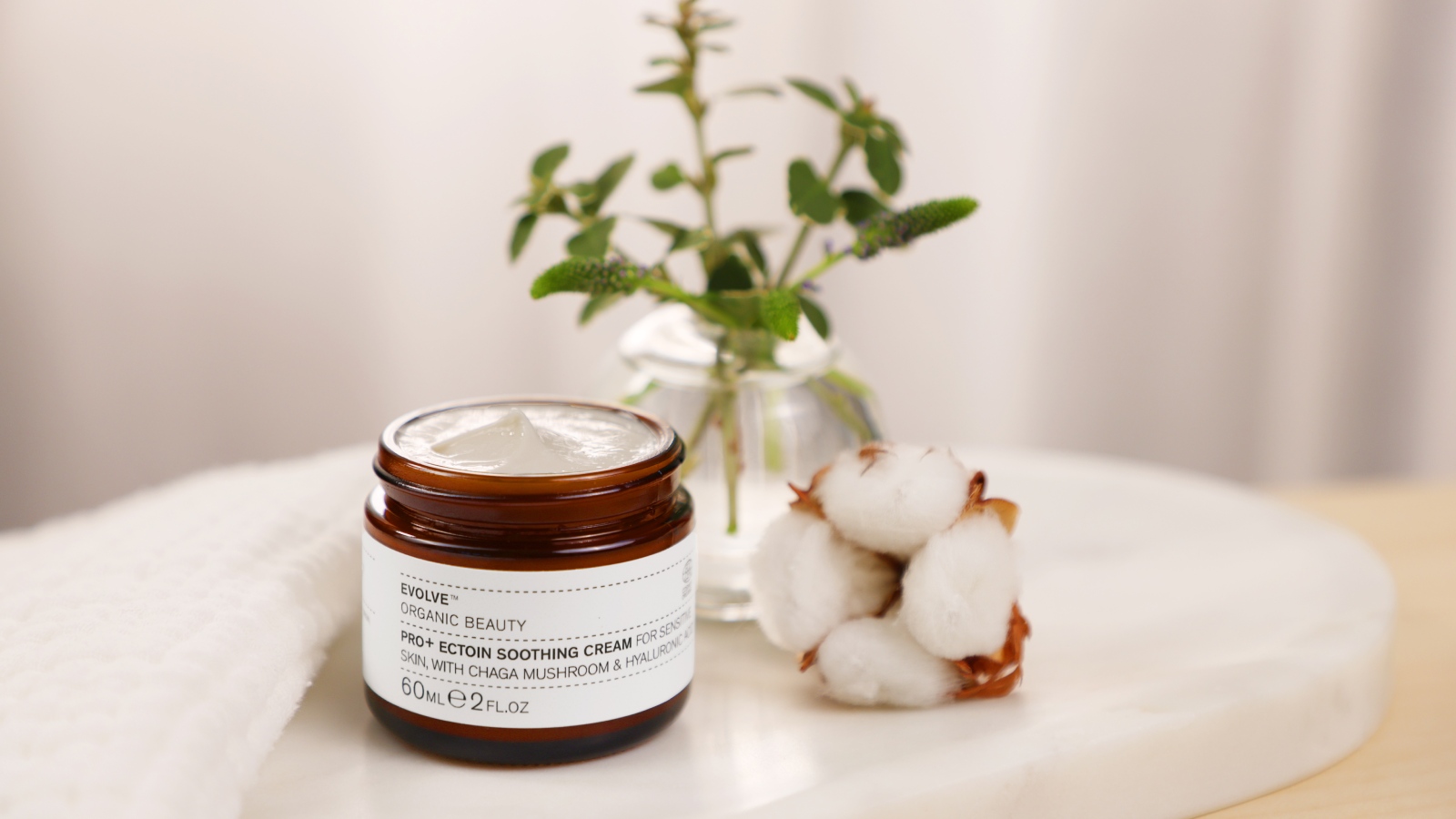
- Soothing: Chaga mushrooms are ideal for soothing creams and serums. Their potent anti-inflammatory and healing properties are especially beneficial if you suffer from sensitive skin or conditions like eczema. Evolve’s Pro+ Ectoin Soothing Cream is an organic formula that uses chaga mushrooms to boost your skin’s resilience and strengthen its barrier function.
Usage tips
- Morning routine: Incorporate a brightening serum after cleansing and before your moisturiser to tackle uneven skin tone throughout the day.
- Nightly Ritual: Apply a hydrating cream with tremella before bed to repair and hydrate your skin overnight, maximising the regenerative processes that occur while you sleep.
- Twice weekly: Use an anti-ageing moisturiser with reishi as part of your evening routine. Focus on areas prone to wrinkles such as the forehead and around the eyes.
Transitioning to mushroom-based skin care products can significantly elevate your routine, not just for their unique benefits but also for their gentle effectiveness suitable for various skin types.
Can you create effective mushroom treatments at home?
Yes! Here are some simple DIY recipes that you can whip up with mushrooms:
Brightening Shiitake Mushroom Face Mask:
- 2 tbsp of finely ground shiitake mushrooms
- 1 tbsp honey
- 1 tbsp aloe vera gel
Mix all the ingredients to form a paste. Apply to your face and leave for 20 minutes before rinsing off with warm water. This mask is perfect for giving you a glowing complexion, thanks to the natural kojic acid in shiitake.
Soothing Reishi Mushroom Toner:
- 1 cup of distilled water
- 2 tsp reishi mushroom powder
- A few drops of lavender essential oil
Boil the distilled water and add the reishi mushroom powder. Simmer for 10 minutes, then strain and let it cool. Add a few drops of calming lavender essential oil and use a cotton pad to apply to your face after cleansing. This gentle toner will help soothe and hydrate your skin, reducing redness and irritation.
What precautions should be taken when using homemade mushroom products?
There are a few precautions you should bear in mind with DIY skin care to ensure your skin reaps the benefits without any adverse effects:
- Always perform a patch test before applying a new product. This is crucial to rule out any allergic reactions or sensitivities.
- Use fresh ingredients and make small batches. Homemade products lack preservatives, so can spoil quickly or harbour bacteria. Use your homemade concoctions within a week and store them in the fridge.
- Be mindful of hygiene. Always wash your hands before preparing and applying skin care products to avoid contaminating your formulations.
These simple, natural recipes can be a delightful addition to your skin care rituals, bringing you closer to that luminous, youthful glow. Remember, consistency is the key to any skin care routine, so find your rhythm and stick to it. With these homemade solutions, you’re well on your way to unlocking the secret to beautiful, radiant skin.
Is mushroom skin care good for any particular skin conditions?

Mushrooms are not only versatile in cooking but also in treating specific skin issues. Due to their rich composition, different types of mushrooms can target distinct skin conditions more effectively:
- Sensitive skin and eczema: The soothing properties of chaga mushrooms are excellent if you suffer from sensitive skin. They help reduce redness and calm irritation, a boon for eczema sufferers.
- Acne-prone skin: Shiitake mushrooms also play a role in acne management. Their antibacterial properties help fight acne-causing bacteria, while their natural enzymes aid in gently exfoliating your skin to prevent clogged pores.
- Sun damage and ageing: Reishi mushrooms, with their high antioxidant content, are fantastic if your skin has been exposed to environmental stressors like UV rays and pollution, helping to mitigate the signs of ageing.
What makes mushrooms an ethical and sustainable skin care choice?
As you explore the world of natural beauty, you’ll find that mushrooms stand out for their efficacy and their low environmental impact. Unlike many traditional beauty ingredients that require extensive resources and chemicals for cultivation and processing, mushrooms offer a greener alternative.
Here’s why mushrooms are rising stars in ethical and sustainable skin care:
- Minimal water usage: Mushrooms require significantly less water than traditional crops like almonds or soy, making them exceptionally sustainable during cultivation.
- Biodegradability: After harvesting their beneficial compounds for beauty products, the remaining mushroom biomass is completely biodegradable. This means less waste in our landfills and a healthier planet.
- Forest-friendly farming: Many mushrooms thrive on substrates that are by-products of other agricultural processes, such as sawdust or agricultural waste. This not only recycles waste but also prevents forest destruction, maintaining biodiversity.
- Cruelty-free: Most mushroom-based skin care products are developed without animal testing, aligning with the cruelty-free commitment many of us hold dear.
- Natural and safe: Typically free from harsh chemicals, synthetic preservatives, and artificial fragrances, mushroom-based products are safe for you and the environment. This means you can enjoy beauty enhancements without exposing your skin to harmful substances.
Whether you’re a fan of them in your food or not, mushrooms are transforming the beauty landscape. They offer innovative and sustainable options that are both effective and kind to the planet.
As you explore these new products, remember that you’re not just taking care of your skin, you’re embracing a future where beauty and nature go hand in hand.

Comments are closed here.