The Glowing Truth: Why water is your ultimate beauty tonic
Your skin is a reflection of what’s going on inside, and hydration plays a key role in that. Drinking enough water each day supports clear, radiant skin, boosts your energy, and helps your whole body feel more balanced.

Contents
- What's the connection between hydration and beauty?
- How does hydration affect your skin's appearance?
- Is water alone enough to stay truly hydrated?
- Can what you eat improve your hydration levels?
- How does hydration influence energy and mood?
- What role does hydration play in detox and skin clarity?
- Could better hydration support healthy ageing?
- What are the signs your body might need more water?
- How can you build better hydration habits?
- Why is hydration one of the easiest ways to glow from within?
What’s the connection between hydration and beauty?
When it comes to beauty, you probably think of skincare, sleep and maybe even supplements. But have you considered water? Staying hydrated is one of the simplest and most effective ways to support how you look and feel, every single day.
Your body is approximately 60% water, and your skin relies on this fluid balance to stay supple, smooth and clear. Dehydration doesn’t just affect how you feel inside; it shows up on your face. A lack of water can lead to dryness, dullness and fine lines. If your skin ever looks tired, it could be a sign you’re not getting enough hydration.
Even mild dehydration affects your circulation. This can make your complexion look less vibrant, and may slow down the delivery of oxygen and nutrients to skin cells. It can also impair your skin’s ability to repair itself, leaving it more prone to redness, sensitivity or breakouts.
Drinking enough water each day helps:
- Maintain skin elasticity, especially as you age
- Support a healthy skin barrier, keeping moisture in and irritants out
- Flush away toxins, which can build up and contribute to inflammation
- Regulate body temperature, which keeps your skin functioning well
You may not notice these effects instantly. But over time, better hydration supports a softer, smoother and more balanced complexion.
What’s more, your skin isn’t the only part of your body that benefits. Hydration plays a crucial role in your energy, mood, digestion and immune system – all of which can influence your overall glow.
Beauty isn’t just about what you put on your skin. It’s about what you give your body every day. And water is the foundation.
How does hydration affect your skin’s appearance?
Your skin is your body’s largest organ, and it depends on water to stay healthy, smooth and resilient. Without enough hydration, your skin quickly loses its natural glow and begins to show signs of imbalance. Dryness, flakiness and tightness are common, but dehydration can also contribute to breakouts, fine lines and uneven texture.
Every skin cell needs water to function properly. When you’re hydrated, your skin can better regulate oil production, maintain elasticity and repair damage. This helps to create a smoother, more even surface. On the other hand, dehydrated skin struggles to hold moisture. It may look dull, feel rough and become more sensitive to environmental stress.
You might think oily skin doesn’t need hydration, but that’s a myth. Often, your skin produces more oil to compensate for a lack of water. This can lead to clogged pores and breakouts. Hydration helps balance things out, keeping both dryness and oiliness in check.
Healthy hydration also supports your skin’s natural barrier. This barrier keeps moisture in and harmful substances out. When it’s strong, your skin feels soft, calm and comfortable. When it’s compromised, you may experience irritation, redness or flare-ups.
The visible benefits of hydration include:
- Plumper skin with fewer visible fine lines
- A brighter, more even tone thanks to better circulation
- Smoother texture due to balanced oil and moisture levels
- Greater resilience against pollution, UV exposure and daily stress
Topical skincare plays a role, but internal hydration matters just as much. Drinking enough water helps your skin work from within. It gives you the natural, healthy glow that no highlighter can match.
Is water alone enough to stay truly hydrated?
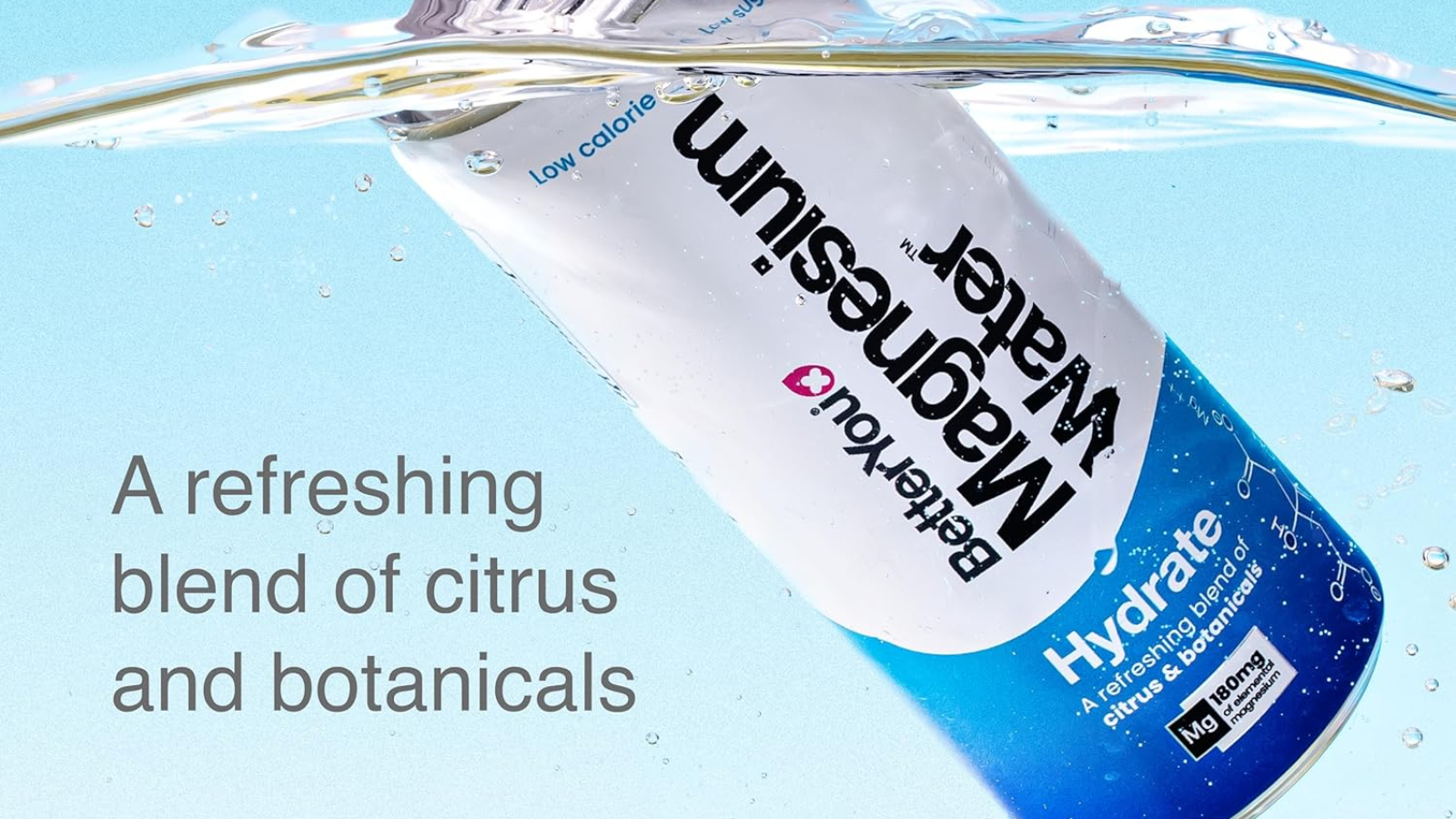
You might think that drinking plenty of water is enough to stay hydrated. While that’s a great start, there’s more to it. True hydration means water reaches your cells and stays there, supporting your body’s many functions – including skin health, energy and digestion.
To get water into your cells, your body needs electrolytes. These are minerals that help regulate fluid balance and transport water into and out of your cells. Without them, much of the water you drink passes straight through you without fully hydrating your tissues.
Electrolytes include:
- Sodium, which helps your body retain water
- Potassium, which draws water into your cells
- Magnesium, which supports muscle and nerve function
- Calcium, which also plays a role in cellular hydration
Sweating, exercise, hot weather, caffeine, and alcohol can all deplete these minerals. When your electrolyte balance is off, you may feel tired, dizzy or sluggish, even if you’ve been drinking enough water.
Supplements and natural electrolyte blends can help support cellular hydration. You can also get electrolytes from food. Leafy greens, bananas, avocados, nuts and seeds all contain minerals your body needs to absorb and retain water properly.
Certain supplements may offer an extra boost:
- Magnesium blends can support hydration and energy, especially during stress
- Coconut water powders provide natural potassium and sodium
- Liquid trace minerals help replenish what’s lost through sweat or a poor diet
Focusing on mineral balance helps you get more from every glass of water. You’ll feel more energised, your skin will look more refreshed, and your whole body will benefit from deeper hydration.
Can what you eat improve your hydration levels?
You might think hydration is all about what you drink, but what you eat matters just as much. Many foods contain high levels of water, helping to keep your body hydrated throughout the day. These foods also provide nutrients that support your skin, energy and overall wellbeing.
Water-rich foods release fluid more slowly than drinking water alone. This means your body has more time to absorb and use that moisture. Including these foods in your daily meals can make a big difference to how hydrated you feel.
Top hydrating foods include:
- Cucumber is over 95% water, with added skin-supporting silica
- Watermelon is packed with water and lycopene, which helps protect your skin
- Lettuce and leafy greens are hydrating and rich in folate and antioxidants
- Oranges and citrus fruits are full of water, vitamin C and electrolytes
- Courgette and celery are low in calories and high in fluid and fibre
Cooked meals can also help. Broths, soups and stews contain plenty of liquid, especially when made with vegetables or mineral-rich stocks. Herbal teas are another gentle way to hydrate, especially when they include ingredients like hibiscus, nettle or rooibos.
You’ll also find hydration-supporting nutrients in foods such as:
- Avocados are a good source of potassium, which helps draw water into your cells
- Chia seeds absorb water and swell, helping to keep you full and hydrated
- Berries are rich in antioxidants and natural water content
Eating more whole foods and fewer processed ones helps too. Ultra-processed foods are often dehydrating, high in salt and low in water. Swapping crisps for cucumber sticks or sugary snacks for fruit can boost hydration and energy.
By choosing water-rich foods at every meal, you give your body a steady supply of fluid and nutrients. This supports your skin, digestion and energy, all while helping you feel nourished from within.
How does hydration influence energy and mood?

You know the feeling, your head aches, your focus dips, and everything seems harder than it should. Often, dehydration is to blame. Even mild fluid loss can impact how alert, calm and energised you feel. When your body lacks water, your brain and nervous system feel the effects almost immediately.
Your brain is made up of around 75% water. It needs that water to carry nutrients, clear waste and support healthy brain function. Without enough fluid, your concentration drops, your memory can suffer, and you may feel irritable or foggy. Mood changes, headaches and low energy are all common signs you need more water.
Hydration also affects the way your body produces energy. Every cell relies on water to convert nutrients into usable fuel. When hydration levels fall, this process slows down, and fatigue quickly sets in. That tiredness isn’t always about how much sleep you’ve had, it could be a sign your body’s running low on fluid.
Keeping well hydrated helps:
- Support steady energy, without the need for constant caffeine
- Reduce brain fog, helping you think clearly and stay focused
- Balance mood, reducing stress and supporting emotional resilience
- Ease tension, as dehydration can contribute to headaches and muscle cramps
If you often feel sluggish in the afternoon, try a glass of water before reaching for a snack. You might notice a quick lift in mood and energy. Adding a pinch of sea salt or a slice of lemon can help your body absorb the fluid more effectively.
By drinking regularly and including hydrating foods, you give your body and mind what they need to thrive. This doesn’t just improve how you feel – it shows in how you look. When your energy lifts, your posture improves, your skin glows, and your natural confidence returns.
What role does hydration play in detox and skin clarity?
Your body detoxifies itself naturally every day. But to do this well, it needs water. Hydration supports the organs responsible for cleansing and waste removal, helping you feel lighter, clearer and more balanced – inside and out.
Your liver, kidneys, digestive system and lymphatic system all rely on water. These systems work together to remove waste, regulate hormones and process toxins. Without enough fluid, everything slows down. You might feel sluggish, your skin may look dull, and you’re more likely to experience breakouts or puffiness.
When you drink enough water, your kidneys can filter waste more effectively. Your liver can break down toxins efficiently, and your digestive tract stays regular, which is key for skin health. If waste builds up in your body, your skin often tries to help eliminate it. This can lead to congestion, inflammation and blemishes.
Hydration also supports your lymphatic system. This network helps transport immune cells and remove waste from your tissues. When you’re well hydrated, this system flows more freely, reducing puffiness and boosting circulation.
To support natural detox and clearer skin:
- Start your day with water to rehydrate after sleep and kickstart elimination
- Add lemon or apple cider vinegar to support your liver and digestion
- Drink herbal teas like dandelion, nettle or fennel to aid cleansing
- Stay consistent, sipping water throughout the day rather than all at once
You don’t need extreme detox plans or trendy cleanses. Your body does the hard work for you, as long as it has the right tools. Water is one of the simplest and most effective ways to help your skin look clearer, brighter and more balanced.
Support your body’s daily detox, and your skin will often be the first place you notice the difference.
Could better hydration support healthy ageing?
As you age, your skin naturally loses moisture and elasticity. But staying well hydrated can help slow this process. Giving your body the water it needs each day helps maintain soft, supple skin and supports the systems that keep you feeling youthful.
Your skin’s structure relies heavily on collagen and elastin. These proteins need water to stay flexible and resilient. When your cells are well hydrated, they hold their shape better and function more efficiently. This helps reduce the appearance of fine lines and keeps your skin looking plump and radiant.
Hydration also supports your skin barrier, the outermost layer that protects you from damage. A strong barrier helps retain moisture and reduces sensitivity to environmental stress. As this layer weakens with age, water becomes even more important for keeping your skin comfortable and balanced.
What’s more, drinking enough water supports:
- Cell turnover, so old skin cells are replaced more quickly
- Circulation, helping deliver nutrients and oxygen to your skin
- Detoxification, which becomes slower as you age
- Joint and tissue health, keeping you moving freely and feeling agile
You can also support hydration with skin-loving nutrients. Hyaluronic acid, for example, binds water inside your skin and can be taken as a supplement or applied topically. Omega-3 fatty acids help strengthen your skin barrier and reduce moisture loss.
Your skin reflects the health of your entire body. So when you nourish yourself from the inside, it shows on the outside. Staying hydrated gives your skin the tools it needs to age with strength, softness and vitality. Keep your glass full, and you’ll help protect your skin at every stage of life.
What are the signs your body might need more water?

Your body gives you clues when it needs more hydration, but these signs can often be subtle. You might feel tired, moody or struggle to concentrate, but not realise dehydration is the cause. Tuning in to these early signals helps you stay ahead and avoid the sluggishness that comes from running low on fluid.
One of the first signs is thirst, but that’s not always reliable. By the time you feel thirsty, your body may already be dehydrated. Instead, look out for other physical and mental symptoms that point to a fluid shortfall.
Common signs you may need more water include:
- Dry lips and skin: Often the first places to show dehydration
- Headaches or brain fog: Caused by reduced blood flow to your brain
- Low energy and fatigue: As your cells struggle to produce energy without enough water
- Dizziness or light-headedness: Linked to low blood pressure or reduced circulation
- Constipation: Your digestive system needs water to stay regular
- Dark yellow urine: A key sign that your fluid intake is too low
- Cravings for salty or sugary foods: Often confused with hunger
Mood changes are another red flag. If you feel more irritable, anxious or flat than usual, it might be time for a glass of water. Dehydration affects your stress hormones and can worsen anxiety or a low mood.
Your skin can also reflect your hydration status. If your face feels tight, flaky or looks dull, you may need more water. Pinch the back of your hand gently; if your skin doesn’t bounce back quickly, that’s a sign of low hydration.
Once you recognise these signs, you can respond quickly. Keep a reusable bottle nearby, sip throughout the day, and include more water-rich foods. Even small hydration shifts can improve how you feel and help your skin glow again.
How can you build better hydration habits?
Good hydration doesn’t mean chugging litres of water in one go. It’s about consistency, giving your body a steady flow of fluid throughout the day. Simple changes to your daily routine can help you drink more without even thinking about it.
Start your day with a glass of water. You lose fluid overnight through breathing and sweating, so you wake up already slightly dehydrated. Drinking water first thing helps replenish your body and kickstart your metabolism.
Use visual reminders to build the habit. Keep a reusable bottle on your desk, in your bag or by your bed. When it’s within reach, you’re more likely to sip regularly. If plain water feels dull, try infusing it with fresh fruit, herbs or cucumber for a refreshing twist.
Try these simple hydration tips:
- Drink a glass of water before every meal – this can also help with digestion
- Add a pinch of sea salt or a splash of coconut water to improve absorption
- Use a water-tracking app to monitor your daily intake
- Pair water with daily habits like brushing your teeth or making coffee
If you exercise or spend time in hot environments, your water needs increase. Make sure to hydrate before, during and after any activity that makes you sweat. Herbal teas, electrolyte blends and water-rich foods can all support this.
Hydration also matters more when you’re unwell or under stress. Illness, travel and alcohol can all cause fluid loss. Being aware of these situations helps you plan ahead and stay balanced.
By weaving small changes into your routine, you’ll make hydration feel natural, not forced. Over time, your energy improves, your skin feels better, and your focus sharpens. You’ll start to feel the difference long before thirst kicks in.
Why is hydration one of the easiest ways to glow from within?
When it comes to feeling and looking your best, small habits often make the biggest difference. Drinking more water is one of the simplest, most effective ways to support your health, energy and natural glow. It costs nothing, takes little effort, and yet it impacts every cell in your body.
From clearer skin to better digestion, sharper focus to improved mood, hydration plays a part in nearly every process that helps you thrive. It supports your metabolism, cushions your joints, flushes out waste, and helps your body maintain balance. And because your body can’t store water, staying consistently hydrated is key.
Unlike more complicated wellness routines, hydration doesn’t require drastic changes. You don’t need a gym membership, expensive equipment or a full skincare overhaul. You just need awareness and a bit of consistency.
Here’s why prioritising hydration is so powerful:
- It’s accessible: Water is available almost everywhere
- It’s fast-acting: You often feel the benefits within minutes
- It’s foundational: It supports every other health and beauty habit you practise
- It’s empowering: It reminds you that your body thrives on care, not extremes
Now that you know the signs of dehydration, the role hydration plays in beauty, and how to build better habits, you’re ready to take action. Small changes, like sipping water with every meal or choosing water-rich foods, can transform the way you feel and how you look.
When your body feels good, your skin reflects it. Your eyes brighten, your posture lifts, and your energy becomes magnetic. That’s beauty from within, and it starts with something as simple as a glass of water.
Medical Disclaimer:
Food supplements should not be used as a substitute for a varied and balanced diet and are not intended to diagnose, treat, cure or prevent any ailments.
This website contains general information about food supplements. The information is not advice and should not be treated as such. All content, including text, graphics, images and information available through this website, is for general information purposes only. bodykind makes no representation and assumes no responsibility for the accuracy of the information available through this website, and such information is subject to change without notice.
bodykind does not recommend, endorse or make any representation about the efficacy, appropriateness or suitability of any specific tests, products, procedures, treatments or other information that may be contained on or available through this website.
You must not rely on the information on this website as an alternative to medical advice from your doctor or other professional healthcare providers. You should consult your doctor or other professional healthcare providers if you have any specific questions about any medical matter. You should seek immediate medical attention if you think you may be suffering from any medical condition. You should never delay seeking medical advice, disregard medical advice, or discontinue medical treatment because of information on this website.

Comments are closed here.