Colour Your Plate for Weight Control: The science of phytonutrients
When you think about dieting or managing your weight, you most likely focus on calories, carbohydrates and fats. But have you ever thought about the colour of your food?

Contents
- What's the impact of food colour on your weight management journey?
- How do phytonutrients aid your weight control efforts?
- Red foods – beyond just colour
- Going green with your diet
- The power of purple and blue
- The sunshine yellow and orange foods
- White and brown foods – the unsung heroes
- The myths about colourful eating
- What are some creative ways to prepare colourful meals?
- Practical and affordable ways to incorporate a rainbow into your daily diet?
- Your First Steps Towards a Rainbow Plate
- Enhancing your overall vitality and wellbeing
What’s the impact of food colour on your weight management journey?
The colours on your plate aren’t just about making it Instagram-worthy; the hues of your food reflect the nutrients they contain, each playing a vital role in your health and weight management.
Why are the colours on your plate as crucial as your portion size?
The secret to a healthy diet could be as simple as colour-coding your meals. Phytonutrients are the compounds that give fruits and vegetables their vibrant colours and are crucial for optimal health.
- Red fruits and veggies, like tomatoes and watermelon, are loaded with compounds like anthocyanins and lycopene, linked to heart health and sun protection.
- Greens in spinach and broccoli provide a wealth of nutrients, including lutein for your eyes. They’re rich in chlorophyll, fibre and a range of phytochemicals.
- Purple and blue foods like blueberries and aubergines boast resveratrol and anthocyanins, celebrated for their anti-inflammatory properties.
- Yellow and orange selections, including carrots and oranges, are high in vitamins C and A, and beta-carotene, carotenoids known for supporting your immune system.
- White and brown foods from garlic to mushrooms contain allicin and selenium, respectively, which can support metabolic health and potentially weight management. Allicin is also known for its potent antiviral and antibacterial properties.
Each colour in your diet brings a different nutrient to the table, and these compounds can help you feel fuller for longer, curb cravings and even rev up your metabolism.
How do phytonutrients aid your weight control efforts?
Phytonutrients aren’t just about preventing diseases; they can directly impact your weight. For instance, foods rich in some phytonutrients can stimulate the burning of stored fat and reduce the absorption of sugar into the bloodstream, thus helping you manage your weight effectively.
- Fibre-rich foods increase satiety. When you eat foods high in fibre, such as leafy greens or whole grains, you tend to feel full sooner, and for longer. This can help curb overeating and snacking on unhealthy options.
- Antioxidant-packed fruits and vegetables can reduce inflammation in your body, often linked to obesity and metabolic diseases.
- Natural compounds found in brightly coloured foods can regulate hormones that control appetite and fat storage.
Embracing a rainbow diet can help you shed the pounds and enrich your body with everything it needs to function at its best. So the next time you’re filling your shopping basket, think about the colour spectrum – it might be the simplest yet most effective way to manage your weight.
What exactly are phytonutrients, and where can you find them?
Phytonutrients, or phytochemicals, are compounds produced by plants to help them thrive or fight competitors, predators or pathogens. They are not vitamins or minerals but they’re vital for your health.
These natural compounds offer a treasure trove of benefits. You can find them in the rich pigmentations of fruits, vegetables, grains, legumes, nuts and teas. So, when you choose a crimson apple, a bunch of kale, or a handful of blueberries, you’re not just adding a pop of colour to your plate; you’re inviting a host of health-boosting phytonutrients into your life.
Which phytonutrients are key players in metabolism and weight management?
There are a few phytonutrient superstars that might play a role in keeping your metabolism humming and your weight in check:
- Capsaicin, found in chilli peppers, is known to boost metabolism and could help burn calories faster.
- Catechins, abundant in green tea, have been linked to increased fat burning, especially during exercise.
- Resveratrol in grapes and berries might support a healthy weight by affecting fat storage and metabolism.
It’s important to note that these compounds are most potent when consumed as part of a balanced diet. So, while you enjoy your steamy cup of green tea or spicy salsa, remember that these are parts of a vast nutritional network working together to support your health and weight goals. No single fruit or vegetable can give you all you need. The key to benefiting from these colourful allies is variety.
Red foods – beyond just colour
Plump, juicy tomatoes and crisp red apples aren’t just pleasing to your eye, they pack a punch in your weight management arsenal too. Red fruits and vegetables are laden with phytonutrients like lycopene and anthocyanins.

Lycopene – the guardian of your waistline
- Finds home in tomatoes, watermelon, pink grapefruit and red peppers.
- Works by acting as a powerful antioxidant, reducing inflammation, often linked with obesity.
- Evidence shows that a diet rich in lycopene-containing foods is associated with healthier body weight and reduced fat storage.
Engage with these red wonders by incorporating them into salads, smoothies or even as a natural colourant to your dishes. They’ll brighten your plate and might just be your staunch allies in fending off unwanted weight.
Anthocyanins – your metabolic boosters
- Reside in red onions, cherries, strawberries and red cabbage.
- Function by improving insulin sensitivity and combating insulin resistance, a common obstacle in weight loss journeys.
- Studies suggest that anthocyanins can play a role in reducing adipose tissue (that’s the scientific term for body fat) and in managing metabolic syndrome conditions.
Imagine starting your day with a bowl of Greek yoghurt sprinkled with fresh strawberries or a smoothie that gets its ruby colour from blended cherries. It’s not just a feast for your senses; it’s a strategic move for your health.
Going green with your diet
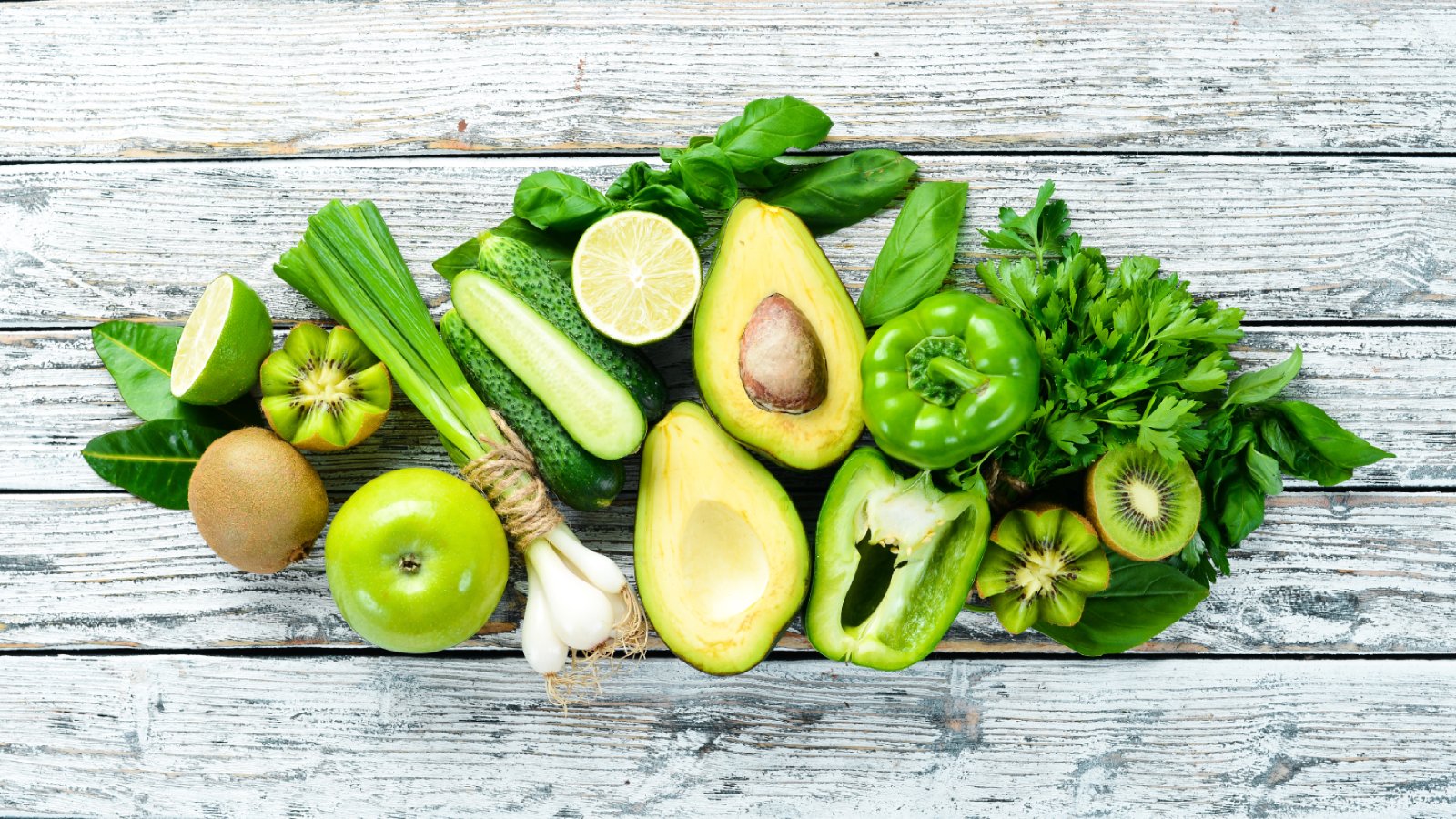
Greens are not just a symbol of healthy eating; they’re a cornerstone of a nutrition-rich diet that can aid in weight management. These foods are low in calories but high in fibre, which means they fill you up without contributing to your daily calorie load – a dream for anyone looking to manage their weight.
Chlorophyll – nature’s detoxifier
It’s no coincidence that green vegetables are among the best diet-friendly foods. The pigment that gives them their colour – chlorophyll – is also linked with an impressive array of health benefits.
- Found in leafy greens like spinach, kale and Swiss chard.
- Helps by aiding in liver detoxification, which is essential for efficient metabolism. It stabilises blood sugar helping to prevent spikes and crashes that can lead to snacking and helps regulate hunger.
- Research indicates that chlorophyll can aid in weight loss and reduce the craving for high-calorie foods.
But chlorophyll is only part of the story. Green vegetables like kale, spinach and broccoli are also loaded with fibre, another heavyweight in the ring of weight management. Fibre helps you feel fuller for longer, naturally reducing your inclination to reach for a mid-afternoon snack. Introduce more greens into your midday meals. A vibrant salad or a steaming stir-fry offers you a host of nutrients and may keep those pesky pounds at bay.
Isothiocyanates – the appetite regulators
- Contained in cruciferous vegetables like broccoli, brussels sprouts and bok choy.
- Act by potentially influencing hormones that regulate hunger and satiety.
- Scientific consensus is that these compounds can support weight loss by improving your body’s hormonal response to food.
A side dish of roasted Brussels sprouts or a main of stir-fried bok choy isn’t just comforting; it’s a conscious choice for controlling your appetite and, consequently, your weight.
Transitioning to a diet rich in these phytonutrient-packed colours could be a game-changer in your weight management journey. It’s not just about counting calories; it’s about making the calories count with nutrient-dense, health-promoting foods that support your body’s natural weight regulation mechanisms.
How to incorporate more green
So, how can you integrate these verdant victors into your daily meals? It might be simpler than you think. Here’s a few suggestions:
- Start with breakfast: Add spinach or kale to a morning smoothie.
- Snack smart: Munch on celery or sugar snap peas instead of crisps.
- Get creative with salads: Mix in a variety of greens for a nutrient-packed meal.
- Cook clever: Stir-fry or steam your greens to preserve nutrients and flavour.
Remember, the key is consistency. It’s not just about adding a side salad to your dinner; it’s about ensuring that greens are a staple in your daily diet. And yes, even the occasional green pizza topping counts!
Making greens a lifestyle
Challenge yourself to include a different green vegetable in your meals each week. Before you know it, ‘going green’ with your diet will feel like second nature. Incorporating more green vegetables into your diet is a step towards better weight management and a stride towards a healthier lifestyle. Don’t worry about monotony; the variety of greens available means there’s always something new to try.
The power of purple and blue
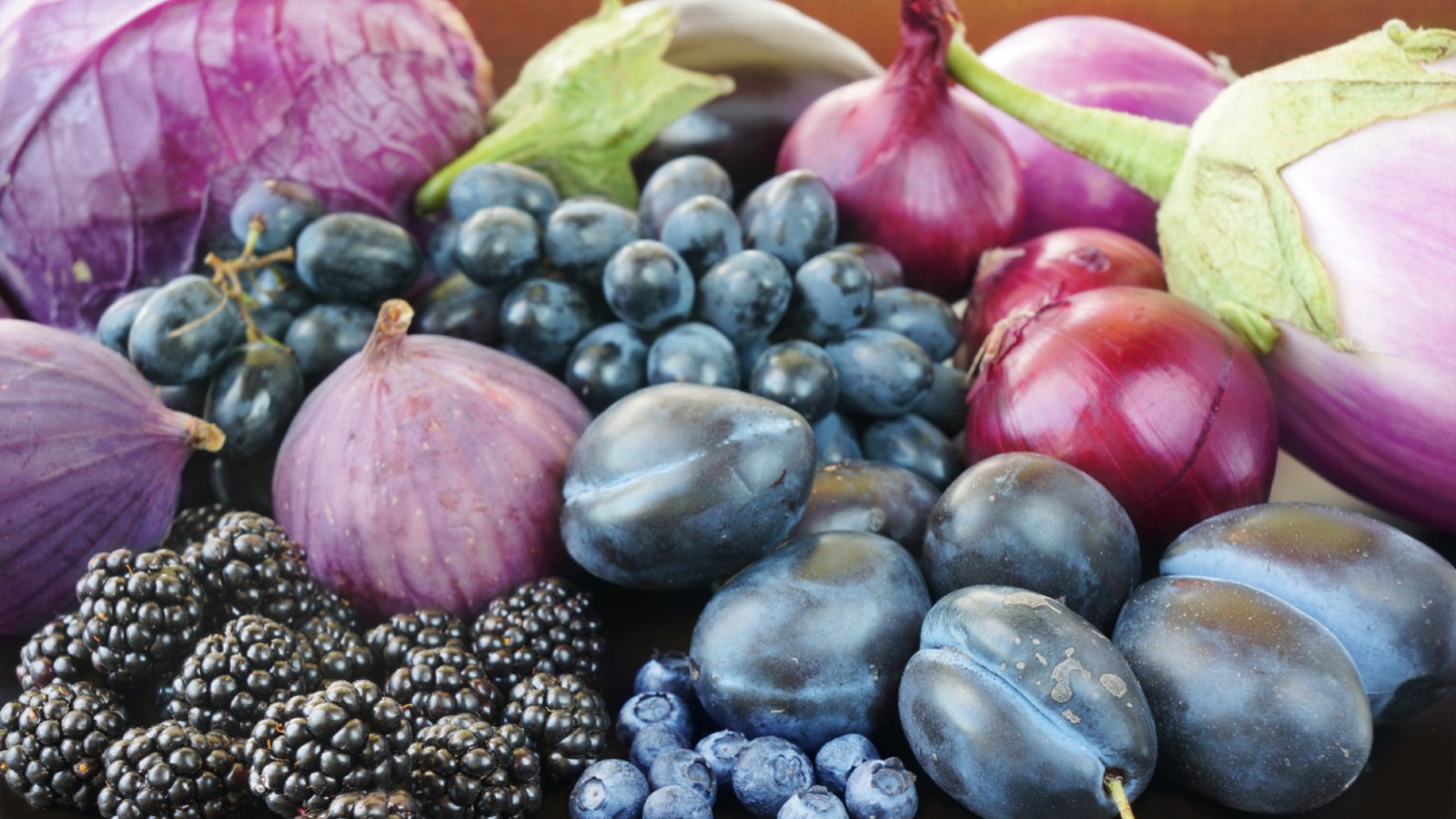
Have you ever marvelled at the rich hues of blueberries or the deep violet of a ripe aubergine? It’s not just their beauty that should capture your attention. These purple and blue foods are powerhouses for your health and, specifically, weight management. Here’s why these colours should be a staple on your plate.
Anthocyanins: Nature’s colour palette for weight control
Purple and blue fruits and vegetables owe their captivating colours to natural pigments called anthocyanins. But these compounds do more than please the eye; they offer a suite of benefits to your body.
- Antioxidant properties: Anthocyanins are potent antioxidants, helping to fight free radicals and reduce inflammation—a factor in obesity and metabolic diseases.
- Blood sugar regulation: By moderating the sugar absorption in your digestive tract, anthocyanins can help maintain stable blood sugar levels, curbing those all-too-common sugar cravings.
- Increased satiety: Foods rich in anthocyanins can also increase feelings of fullness, so you’re less likely to reach for that extra snack.
Incorporating Anthocyanin-rich foods
Adding more of these vibrant foods to your diet is a treat for your taste buds too. Here are some simple ways to do it:
- Start your day with a smoothie packed with blueberries and blackberries.
- Toss some diced purple cabbage into your lunchtime salad for a crunchy twist.
- Snack on frozen grapes or dried plums for a sweet yet healthy treat.
- Include roasted aubergines in your dinner for a hearty, filling dish.
Benefits of including purple and blue in your diet
The hues that paint our fruits and vegetables purple and blue are indicators of more than just anthocyanins. They signify a host of nutrients that can support your journey to a healthier weight.
- Fibre content: These foods are typically high in fibre, promoting good digestion and prolonged satiety.
- Lower calorie options: Naturally low in calories, they add volume to your meals without packing on extra pounds.
- Versatility in cooking: From salads to desserts, purple and blue foods can be incorporated into various meals, ensuring you never get bored with your options.
Transitioning to a diet rich in colourful purple and blue
It’s not always easy to break away from the beige palette of processed foods that may dominate mealtimes. However, the switch to a diet abundant in purple and blue is simpler than you might think.
Aim for at least one daily serving of these colourful options. Gradually, as your palate begins to crave their natural sweetness and your body starts to feel the benefits, you’ll find it easier to make these foods a central part of your diet.
Remember, the journey to weight management isn’t just about reducing numbers on the scale; it’s about nourishing your body and delighting in the flavours nature provides. So, add a splash of purple and a dash of blue to your next meal and watch as they work their magic on your plate and waistline.
The sunshine yellow and orange foods
Imagine a palette splashed with the warm hues of sunshine – vivid yellows and radiant oranges. These foods are packed with an array of compounds that can play a pivotal role in your weight management journey. When you brighten your plate with these colours, you’re enriching your body with a wealth of nutrients that can help tip the scales in your favour.

What weight management secrets do yellow and orange foods hold?
Yellow and orange foods are like nature’s own batch of sunshine, teeming with vitamins, minerals, and antioxidants. Central to their weight management prowess are carotenoids, the pigments responsible for their cheerful colours.
- Beta-carotene: Found in sweet potatoes, carrots and pumpkins, this powerful antioxidant is converted to vitamin A in your body, supporting your eye health and immune function.
- Vitamin C: Oranges, lemons and bell peppers are bursting with this vitamin, which isn’t just for warding off colds; it’s essential for carnitine synthesis, a molecule that helps your body burn fat for energy.
- Bioflavonoids: Citrus fruits also contain these compounds that enhance the action of vitamin C and contribute to your antioxidant defence, helping to tackle inflammation – a known adversary in weight loss struggles.
Incorporating these nutrients into your diet is a strategic move in your weight management game plan. The fibre in these brightly coloured fruits and vegetables also helps keep you full, reducing the likelihood of snacking on less healthy options.
How can carotenoids and bioflavonoids in these colourful foods support your diet?
Carotenoids do more than make your meals look pretty. These powerful antioxidants support metabolic health by improving insulin sensitivity and combating oxidative stress, which is often increased in those with excess weight.
But the benefits don’t stop there. Bioflavonoids, particularly those found in citrus fruits, have been studied for their effects on fat metabolism and reducing body weight. By regularly consuming these substances, you’re you’re giving your body the tools to fight back against unwanted weight.
Incorporating yellow and orange into your diet
Now, let’s get practical. How can you weave these golden threads into your daily eating habits?
- Start your day with a grapefruit or glass of freshly squeezed orange juice.
- Snack on carrot sticks or a yellow bell pepper with hummus.
- Add roasted butternut squash or sweet potatoes to your dinner for a satisfying and filling side.
White and brown foods – the unsung heroes
When you think about foods that help manage weight, it’s easy to overlook the less vibrant white and brown members of the food spectrum.
However, dismissing them could mean missing out on some incredible health benefits. Let’s shine a light on these often-ignored hues and unearth their potential to support your weight control goals.

The nutritional might of white and brown
White and brown foods, though not as brightly coloured as their counterparts, are powerhouses of essential nutrients. They are often rich in dietary fibre, a champion for digestion and satiety. They can help you feel fuller for longer, curbing those pesky cravings that lead to overeating.
Allicin, found in garlic and onions, is a compound that adds flavour to your dishes, but also has potent anti-inflammatory and antioxidant properties.
Flavonoids, present in foods like cauliflower, mushrooms, and grains, are associated with a myriad of health benefits, including:
- Enhancing glucose metabolism, which is vital for weight control.
- Reducing inflammation, which is often linked to obesity.
- Acting as antioxidants, they help protect your body’s cells from damage.
Let’s not forget selenium, a trace mineral found in Brazil nuts, a brown food that supports thyroid function – crucial for regulating your metabolism.
Tips for including white and brown foods in your diet
Incorporating these foods into your diet is an opportunity to get creative in the kitchen!
- Start your day with a bowl of oatmeal or whole-grain cereal. These are filling and have the slow-releasing energy to keep you going until lunch.
- Use onions and garlic as the base for soups, stews and sauces. They add depth of flavour and a nutritional punch.
- Snack on nuts like almonds or Brazil nuts, which can be incredibly satisfying and help you resist the urge to indulge in less healthy options.
- Don’t forget about white beans and legumes. They’re versatile, protein-rich, and great in salads and casseroles.
Challenges and misconceptions with white and brown foods
There’s a common misconception that white and brown foods are inherently less healthy. This stems from the association with refined grains and sugars, but it’s important to differentiate between processed foods and the natural white and brown foods brimming with health benefits.
Another challenge might be that these foods can seem bland. Here’s where your culinary creativity can shine.
- Roast cauliflower or parsnips to bring out their natural sweetness.
- Experiment with herbs and spices to elevate the taste of grains and legumes.
- Use mushrooms as a meat substitute in burgers or stir-fries for a flavourful and satisfying meal.
By embracing the variety of white and brown foods available, you’ll diversify your diet and support your weight management in ways you might not have expected. The key to a balanced diet is variety. Every colour has its place on your plate, including the humble shades of white and brown.
The myths about colourful eating
Firstly, let’s debunk some myths. You may think eating a rainbow of foods is expensive, complicated, or might not provide enough protein. But that’s not the case. Nature’s palette is as nutrient-dense as it is colourful. Many plant-based foods are packed with proteins. Lentils, beans and quinoa, tinged with their subtle hues are proof that colour can co-exist with protein.
What are some creative ways to prepare colourful meals?
Creativity in the kitchen is not just about being a culinary expert; it’s about experimenting with colours and flavours to make your meals visually appealing and nutritionally rich.
You don’t have to be a gourmet chef to create a colourful meal. Simple cooking techniques, like roasting or grilling, can bring out the natural sweetness and vibrant colours of vegetables.
When it comes to presentation, there’s a psychological aspect to consider. Studies show that we’re more likely to enjoy our food when it’s presented in a visually appealing way. So take a moment to arrange those blueberries on your porridge or plate up that kale salad with a splash of bright yellow lemon dressing. It makes all the difference.
- Build a vibrant salad: Combine leafy greens with colourful mix of vegetables like red peppers, orange carrots and purple cabbage. Top it with some blueberries or pomegranate seeds for a pop of colour and a boost of antioxidants.
- Stir-fry spectrum: Stir-fries are a fantastic way to enjoy a variety of vegetables. Try a combination of green broccoli, red bell peppers, yellow corn and purple aubergine. It will look beautiful, and each vegetable brings its unique set of nutrients too.
- Colourful smoothie bowls: Start your day with a nutrient-packed smoothie bowl. Blend greens like spinach or kale with fruits like bananas and berries. Top it with nuts, seeds and a sprinkle of desiccated coconut for an extra burst of colour and texture.
Remember, each colour on your plate signifies a different range of nutrients. A rainbow of colours ensures a well-rounded intake of vitamins, minerals and antioxidants, crucial for managing your weight and overall health.
Practical and affordable ways to incorporate a rainbow into your daily diet?
The idea of transforming your plate into a vibrant palette of colours might seem daunting at first, but it’s easier and more affordable than you think.

- Start with seasonal produce: One of the simplest ways to add variety and colour to your diet is by choosing seasonal fruits and vegetables. They’re fresher, more flavourful and nutritious, and usually more affordable too. Strawberries and cherries burst with flavour and nutrients during the summer, while squash and kale reign in the winter. By choosing seasonal produce, you’re protecting your health and your wallet!
- Frozen is fabulous: Don’t overlook frozen fruits and vegetables. They’re picked and frozen at their peak ripeness, locking in vital nutrients. Plus, they last longer and are often more budget-friendly. Adding frozen berries to your morning smoothie or frozen peas to a stir-fry is an easy win.
- Visit local markets: Your local farmers market can be a treasure trove of colourful, fresh produce. You’ll not only be adding vibrant colours to your plate but also supporting local farmers.
- Grow Your Greens (and Reds and Yellows): Even if you don’t have a garden, many vegetables and herbs thrive in pots. Growing your tomatoes, peppers or leafy greens can be a cost-effective and satisfying way to add colour to your meals.
Your First Steps Towards a Rainbow Plate
Incorporating more fruits and vegetables into your diet can be challenging, especially if you’re not used to it. Here are a few tips to make it easier, and they crop up time and time again in our tips and advice sections:
- Begin small: Add one new coloured fruit or vegetable to your weekly shopping list for a manageable and affordable way to make a change.
- Plan your meals: Take some time each week to plan your meals. Create a weekly meal plan to ensure you include a variety of colours and nutrients. Challenge yourself to incorporate at least three different colours in every meal. This ensures a range of nutrients and keeps mealtime exciting.
- Prep in advance: Spend some time prepping your fruits and vegetables after shopping. Wash, chop and store them so they’re ready to use, making it easier to reach for a healthy snack or throw together a quick meal.
- Get creative with cooking: Explore new recipes and cooking methods. Ever tried roasting or grilling fruits like pineapple or peaches? The caramelisation brings out a whole new flavour profile.
- Shop seasonally: Seasonal produce is fresher, more flavourful, and often more affordable.
- Navigate the convenience culture: It might seem like an uphill battle to choose fresh, colourful options, but many supermarkets and local markets offer pre-chopped vegetables and fruits, which can be a time-saver if you’re in a rush.
Enhancing your overall vitality and wellbeing
This colourful approach to eating goes beyond weight management. It’s about enhancing your overall vitality. Each colour provides different benefits, ensuring you receive a broad spectrum of nutrients that work together to boost your immune system, improve your skin health, and elevate your energy levels.
Here’s a simple takeaway: Eat the rainbow. Fill half of your plate with vegetables and fruits at every meal. The variety will supply you with fibre, keeping you full longer and preventing those all-too-common sugar cravings.
Remember, the change doesn’t have to be overnight. Start small, perhaps with a vibrant salad or a mixed berry smoothie, and work your way up. Before you know it, your plate will be a mosaic of nutrients that delight your palate and contribute to a happier, healthier you.
In conclusion, let the colours of nature guide you towards a more balanced, nutrient-rich diet. Embrace a lifestyle where weight management is not just about the numbers on a scale, but about feeling good inside and out. So, take the first step today, and let the colours on your plate pave the way to a vibrant, healthier life. The goal is to make this sustainable, not just a flash in the pan.

Comments are closed here.