The Balanced Body: How to detox in harmony with the seasons
Your body’s detox systems work year-round, yet their needs shift with the seasons. By aligning your nutrition, lifestyle, and gentle support with nature’s rhythms, you can restore balance, protect energy, and support long-term health more effectively.

Contents
- The seasonal foundations of detox
- Spring: Metabolic awakening and liver activation
- Summer: Hydration, antioxidant defence and skin elimination
- Autumn: Digestive repair and immune preparation
- Winter: Preservation, liver protection and indoor toxin defence
- The gut-liver-hormone detox axis
- Hydration, movement and lymphatic drainage
- Environmental detox and sustainable living support
- Seasonal warning signs and detox mistakes
- Building your personal seasonal detox rhythm
The seasonal foundations of detox
Your body follows seasonal rhythm whether you notice it or not. Light, temperature, sleep, movement, and food all shift across the year. As these factors change, so does the pressure on your detox systems, and they must adapt. Your liver, kidneys, gut, skin, lungs, and lymphatic system never stop working. However, their workload changes with each season.
Summer heat increases sweat and fluid loss. Winter slows digestion and reduces elimination through the skin. Spring encourages renewal and metabolic change. Autumn prepares your body for immune defence.
As a result, your body shifts the detox burden between organs. Understanding this rhythm helps you support detox without using extreme cleanses.
At this level, food remains your primary detox tool. When you work with these rhythms, detox becomes gentle and sustainable. You reduce strain on your body while improving energy, digestion, skin health, and resilience.
How do daylight, temperature and lifestyle habits influence your natural detox systems?
Daylight controls your circadian rhythm. This rhythm guides digestion, liver activity, hormone balance, and sleep. Shorter days increase melatonin. Longer days raise cortisol and activity levels. Both directly affect detox enzyme function.
Temperature also changes how you eliminate waste. Heat encourages sweating through the skin. Cold weather pushes more detox work towards the liver and kidneys. Meanwhile, lifestyle habits shift with seasons. You may drink more alcohol during festivities. You may move less during darker months.
In addition:
- Summer increases fluid loss and antioxidant demand
- Winter raises indoor toxin exposure
- Seasonal stress alters hormone clearance
- Sleep shifts affect nighttime liver detox
Together, these factors change your detox load. As a result, your support must evolve as well.
Spring: Metabolic awakening and liver activation
Spring represents metabolic renewal. After winter, your body begins to shift from energy storage to energy release. Liver enzyme activity increases. Fat metabolism rises. Waste mobilisation speeds up naturally.
Bitter spring foods such as rocket, watercress, dandelion, and radicchio support this process. These foods stimulate bile flow and improve toxin excretion. At the same time, fibre increases as fresh greens return. Fibre binds toxins in your gut and helps ensure their safe elimination.
Supporting spring detox means stimulating bile flow, improving bowel regularity, and supporting hormone clearance. Bitter greens, fresh herbs, brassica vegetables, and soluble fibre play a central role in this natural reset.
When dietary intake remains low after winter, short-term use of gentle liver support supplements containing milk thistle or artichoke may help optimise enzyme activity. Magnesium and fibre powders also support bile movement and safe toxin elimination. Used alongside food, these support your body’s natural spring transition rather than replacing it.
Summer: Hydration, antioxidant defence and skin elimination

During summer, your skin becomes a major detox organ. Sweat removes water-soluble waste, heavy metals, and salts. However, this also increases mineral loss. Without sufficient hydration and electrolytes, detox efficiency drops and fatigue becomes more likely.
At the same time, sun exposure raises oxidative stress. Your need for antioxidants increases alongside higher physical activity and pollution exposure. Lymphatic flow improves with movement, but only if you fuel it correctly.
Alongside water-rich foods and lighter meals, electrolyte formulas without added sugars can help replace minerals lost through sweat. Vitamin C, selenium, and polyphenol-rich antioxidants support skin and cellular defence. On the external side, natural sunscreens, fragrance-free skincare, and low-toxin body care products reduce the chemical burden that your liver would otherwise need to process.
Autumn: Digestive repair and immune preparation
Autumn acts as a biological bridge between outward summer energy and inward winter protection. After lighter eating and increased social activity, digestion often needs rebuilding. Fibre intake rises as root vegetables return. Fermented foods re-establish microbial balance.
This season prepares your immune system for winter. Nutrients such as zinc, selenium, and vitamin A become increasingly important. These same nutrients also support detox enzyme function and tissue repair.
If bloating, sluggish digestion, or frequent infections appear, short-term use of probiotics, digestive enzymes, or immune-support minerals can help restore balance. Supporting gut strength in autumn significantly reduces detox strain later in winter.
Winter: Preservation, liver protection and indoor toxin defence
Winter shifts detox into preservation mode. You sweat less. You move less. Digestion slows. Meanwhile, exposure to indoor air pollutants and cleaning chemicals increases. Comfort foods, alcohol, and processed meals also place greater pressure on the liver.
Winter detox should protect rather than push. The goal is steady elimination without exhausting nutrient reserves. Protein becomes essential for liver enzyme production. Hydration must remain consistent even when thirst drops.
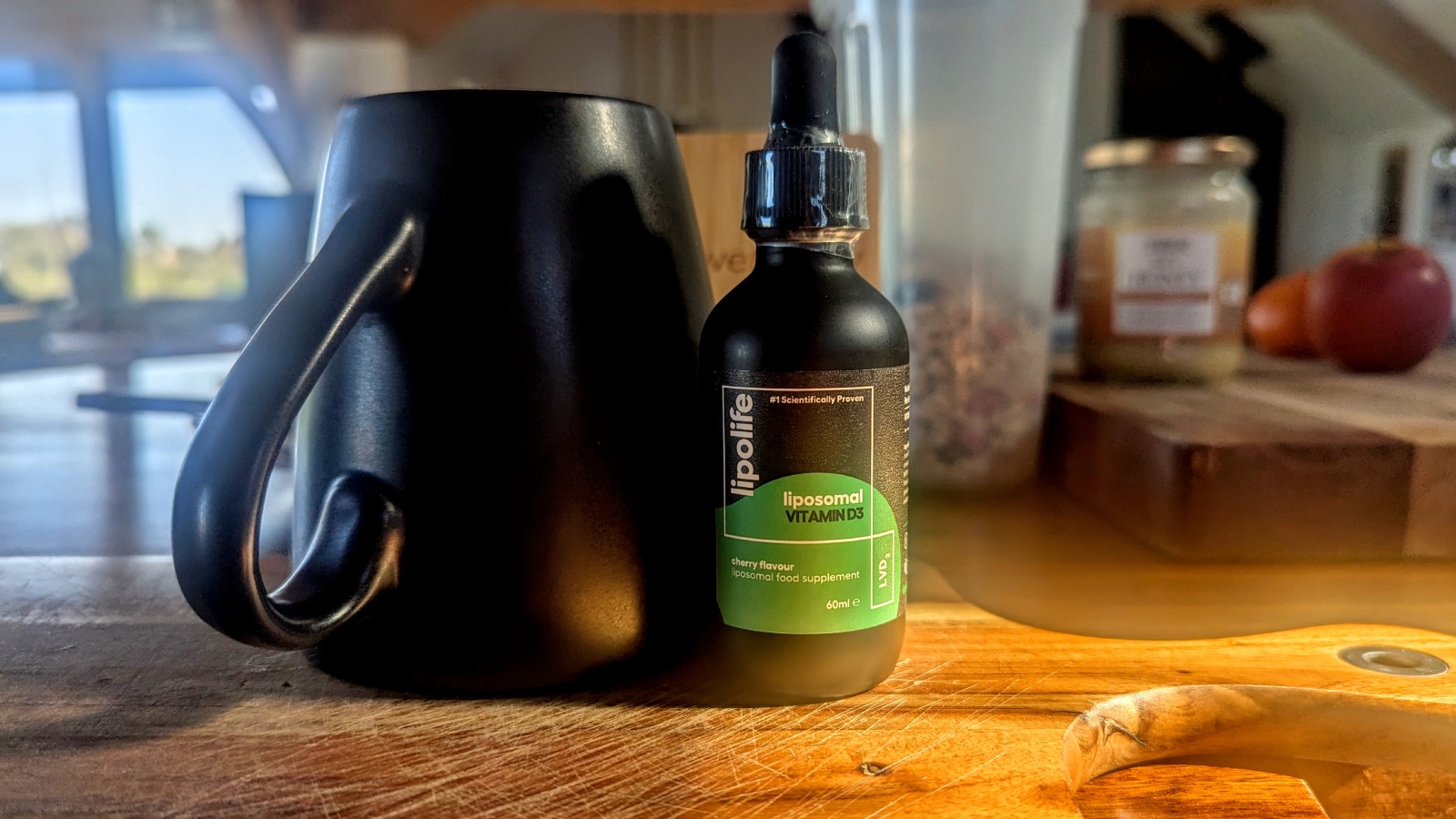
During this season, vitamin D becomes critical due to reduced sunlight exposure. B-vitamins support liver energy production, while antioxidants protect against indoor toxin exposure. Many people also benefit from non-toxic cleaning and household products, which lower the chemical load entering detox pathways in the first place. stability.
The gut-liver-hormone detox axis
Your gut, liver, and hormones operate as a single detox network. When one struggles, the others compensate. Fibre binds toxins. The liver activates and packages waste. Hormones rely on these same pathways for clearance.
When this axis slows, symptoms often appear as hormonal imbalance, weight resistance, fatigue, PMS, or mood changes. Chronic stress further suppresses detox by diverting nutrients towards cortisol production.
In these cases, fibre complexes, cruciferous vegetable extracts, magnesium, and stress-support nutrients can help restore flow across the entire axis. Rather than forcing detox, this type of support improves communication between systems.
Hydration, movement and lymphatic drainage

Your lymphatic system clears cellular waste and immune debris. Unlike blood, it does not pump on its own. Movement drives its flow. Seasonal inactivity, especially in winter, greatly slows detox at this level.
Daily walking, stretching, resistance exercise, and mobility work all stimulate lymph movement. Hydration keeps lymph fluid thin and mobile. Without sufficient water and minerals, drainage becomes sluggish.
Many people benefit from magnesium powders, mineral waters, or electrolyte hydration blends to support muscular contraction and lymph flow.
Even gentle movement dramatically improves toxin clearance.
Environmental detox and sustainable living support
Your toxin load does not come solely from food. It also comes from air, water, cleaning products, plastics, cosmetics, and fragrances. Seasonal habits change this exposure continuously.
Reducing your environmental burden supports detox at the source. Choosing natural cleaning products, fragrance-free skincare, glass food storage, and plastic-free household items minimises the work your liver must do each day. This approach protects long-term detox capacity far more effectively than short cleanses.
Seasonal warning signs and detox mistakes
Your body often signals overload before disease develops. Seasonal warning signs may include headaches, bloating, fatigue, skin changes, poor alcohol tolerance, joint stiffness, and brain fog.
Many well-intended detox habits worsen the imbalance. Winter fasting suppresses immunity. Summer over-cleansing increases dehydration risk. Spring restriction disrupts natural metabolic awakening. Autumn detox extremes weaken immune readiness before winter.
Gentle, consistent nutritional and lifestyle support always outperforms detox extremes.
Building your personal seasonal detox rhythm
You do not need rigid seasonal plans. Your own patterns provide the best guidance. Observe when energy dips, when digestion slows, when skin flares, and when mood shifts.
These repeating patterns reveal which season needs the most support. From there, you can adjust food, lifestyle habits, and targeted supplementation without relying on restriction or intensive cleanses.
Extra care is required if you are pregnant, breastfeeding, on long-term medication, or managing a chronic health condition. Detox support can alter nutrient absorption and medication metabolism.
If you fall into these groups, detox should remain food-led and professionally guided. Aggressive herbal or stimulant-based detox products may do more harm than good.
True seasonal detox works quietly in the background. It does not rely on punishment, fasting, or dramatic resets. Instead, it flows from daily habits that adapt with the seasons.
When you align food, supplementation, movement, hydration, sleep, and environmental choices with seasonal rhythm, detox becomes effortless. Energy stabilises. Digestion strengthens. Skin clears. Hormones balance. Resilience improves.
Your body already knows how to cleanse itself. Your role is simply to support that intelligence, season by season.

Comments are closed here.