Active Detox: Simple fitness steps to cleanse your body
Detoxifying workouts go beyond shaping your physique; they enhance your body’s natural ability to cleanse itself from toxins. Understand how specific exercises can boost your detox processes, and how to integrate these activities into your regular fitness regime for optimal health.
Contents
What is detoxification and why is it vital for your health?
Detoxification is your body’s natural process of neutralising or eliminating toxins from your system. Toxins, often encountered in everyday environments, can harm your body. They can come from food, water, chemicals used in your home or workplace, and even the air you breathe. Proper detoxification helps protect your body from disease and promotes optimal health.
Your liver, kidneys, digestive system, skin, and lungs work together to ensure toxins are transformed chemically into less harmful compounds and excreted from your body. However, lifestyle factors such as poor nutrition, lack of sleep, and inadequate physical activity can impede this process, leading to an accumulation that can affect your health. Regularly engaging in detoxifying workouts can enhance your body’s ability to manage and eliminate these substances.
How can exercise contribute to your body’s natural detox processes?
Exercise plays a pivotal role in promoting your body’s detoxification.
- Boosts your circulation: When you exercise, the increase in blood flow helps deliver nutrients to your organs and muscles and removes waste and toxins from your body more efficiently.
- Enhances sweat production: Sweating helps remove waste from your body. Exercising boosts sweat production, assisting the elimination of toxins via your skin.
- Improves respiration: Your breathing rate increases during exercise, helping to expel carbon dioxide and other waste gases from your lungs.
What are toxins and where do they come from?
Toxins are substances found in various places in your environment that can harm your body.
- Chemicals in food: Pesticides, preservatives, and artificial additives are common in foods, especially non-organic and processed foods.
- Polluted air: Breathing polluted air from industrial emissions, car exhausts, and second-hand smoke can significantly increase your toxin intake.
- Household products: Cleaning products, paints, and personal care items may contain chemicals that you can inhale or absorb through your skin.
Understanding the source of these toxins can help you make informed decisions to reduce your exposure and enhance your body’s ability to detoxify effectively.
How do toxins affect your body and overall wellbeing?
When toxins accumulate in your body, they can impair your health in several ways:
- Reduced organ function: Your liver and kidneys are primarily responsible for detoxification. An overload of toxins can hinder their functionality, leading to health issues.
- Weakened immune system: Toxins can cause cellular damage and lead to chronic inflammation, weakening your immune system and making you more susceptible to diseases.
- Mental fog and fatigue: Accumulated toxins can affect your brain’s function, leading to symptoms like confusion, forgetfulness, and chronic fatigue.
Minimising your toxin load can alleviate these symptoms and significantly boost your health and vitality.
Why is it important to support your body’s ability to detoxify?
Supporting your body’s natural detox mechanisms is crucial for maintaining optimal health.
- Enhancing longevity: By reducing the toxin burden on your organs, you can help extend their healthful functioning, which is integral to longevity.
- Improving your quality of life: Clearing toxins effectively can increase your energy levels, improve mental clarity, and enhance your overall wellbeing.
- Preventing disease: Many chronic diseases can be linked to toxic exposures and the subsequent inflammatory responses in your body. Reducing these can help lower your risk of these conditions.
By understanding the impact of toxins and actively supporting your body’s detox processes, you can maintain a healthier, more energetic life.
How does physical activity aid in detoxification?
Regular physical activity is one of the most effective ways to boost your body’s detoxification process.
- Enhances circulation: When you exercise, your heart rate increases, improving blood flow throughout your body. This enhanced circulation helps to transport nutrients and oxygen to your tissues and organs while speeding up the removal of toxins.
- Stimulates lymphatic system: Unlike your cardiovascular system, which has your heart pumping blood, your lymphatic system relies on movement and muscle contraction to circulate. Physical activity helps lymph fluid move and flush toxins out of your body.
- Promotes sweat: Exercise increases your body temperature, which in turn promotes sweating. Sweat is a natural pathway for releasing toxins, including heavy metals and chemicals.
What specific bodily functions involved in detox are enhanced by exercise?
Regular exercise optimises several key functions of your body that are directly involved in detoxification:
- Liver function: Your liver is crucial for filtering toxins. Exercise increases liver enzyme activity, which helps convert toxins into less harmful substances that are easier to excrete.
- Kidney health: Your kidneys play a critical role in filtering waste from your blood and excreting it through your urine. By boosting circulation, exercise ensures that these organs receive a healthy blood supply, enhancing their function.
- Digestive efficiency: Movement helps stimulate digestion, which in turn can improve gut motility and regularity. A healthy digestive system is vital for the elimination of waste products.
Incorporating regular physical activity into your routine isn’t just about fitness – it’s a fundamental part of maintaining a robust detoxification system. By understanding these mechanisms, you can tailor your exercise routine to not only enhance your physical and mental health but also to support your body’s natural detox capabilities. This proactive approach ensures you’re not only working towards a fitter physique but a thoroughly purified system as well.
What are the top exercises that promote detoxification?

When you think about detoxifying your body through exercise, the goal is to boost circulation, enhance sweat production, and stimulate your digestive system. Here are some top exercises that can help you achieve these benefits:
- Cardiovascular exercises: Activities like running, cycling, and swimming increase your heart rate, improve circulation, and lead to sweating, all of which help flush toxins from your body.
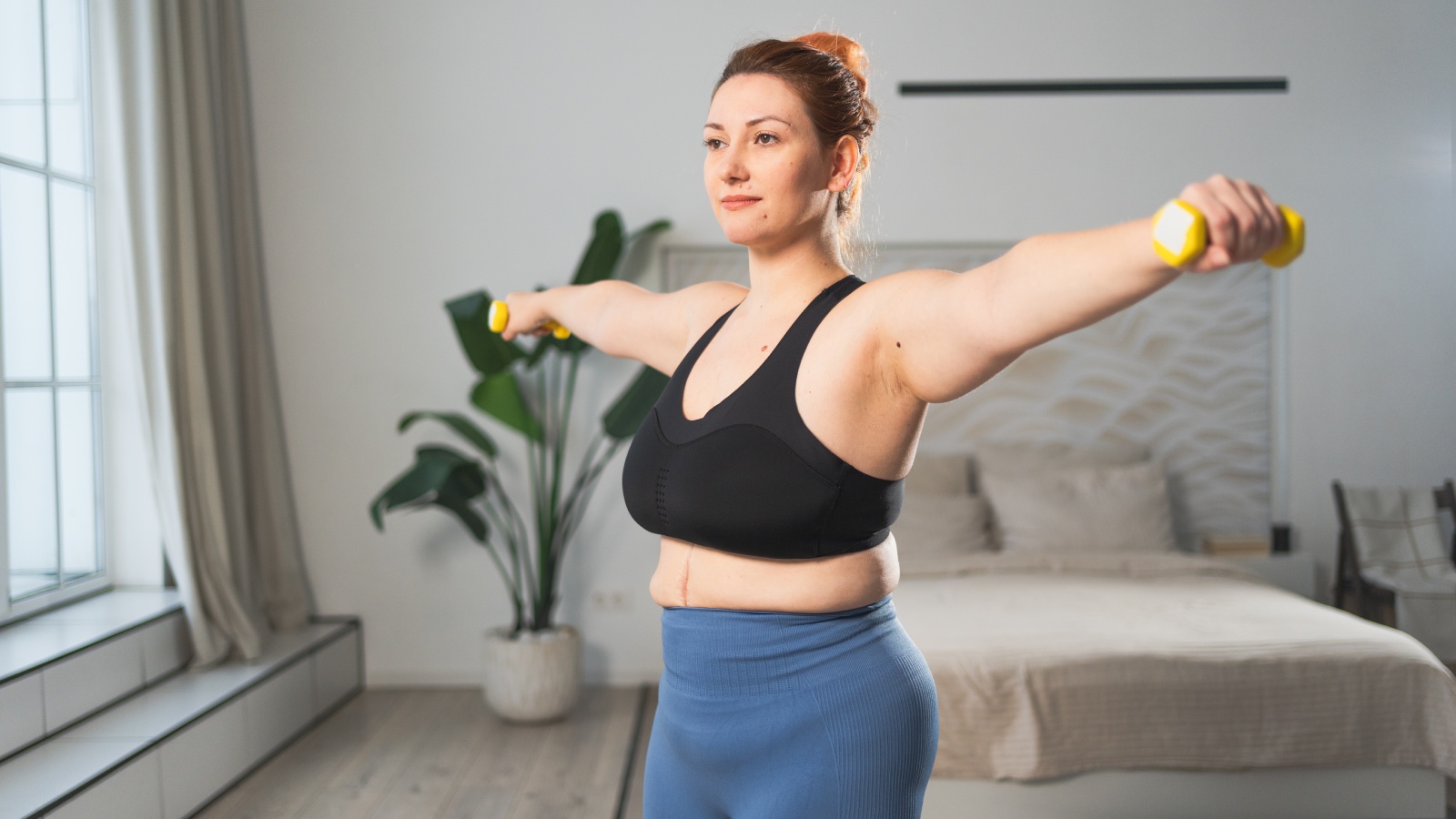
- Strength training: Lifting weights or using resistance bands helps build muscle and boosts your metabolism, which plays a role in detoxifying your body more efficiently.
- Yoga: Specific yoga poses can help enhance digestion and stimulate your organs, particularly your liver and kidneys, aiding the detox process.
Incorporating a mix of these activities into your workout routine can significantly enhance your body’s natural detox capabilities.
How does each exercise facilitate the removal of toxins?
Each type of exercise contributes uniquely to your body’s ability to detox:
- Running and cycling: These vigorous cardiovascular exercises increase your breathing and sweat rates, which help eliminate toxins through your respiratory tract and skin.
- Weightlifting: This increases muscle mass, which boosts your metabolism. A higher metabolic rate requires more energy, which helps burn toxins in your body fat.
- Yoga: Yoga improves your flexibility and stimulates your lymphatic system, enhancing the elimination of toxins through lymphatic drainage. Poses like twists are particularly effective for massaging internal organs and promoting detoxification.
Are there any intensity or frequency guidelines to make these exercises effective?
To effectively use exercise as a tool for detoxification, consider the following guidelines:
- Consistency is key: Engage in moderate exercise most days of the week. The UK Department of Health and Social Care recommends at least 150 minutes of moderate aerobic activity or 75 minutes of vigorous activity each week.
- Include variety: Mix different workout types to engage different muscle groups and systems within your body for comprehensive detox benefits.
- Listen to your body: Start slow and increase intensity as your fitness improves. Overdoing it can lead to fatigue and strain, hindering your body’s detox efforts.
By understanding these guidelines and how different exercises aid in detoxification, you can tailor a workout plan that keeps you fit and significantly enhances your body’s ability to cleanse itself. This proactive approach to fitness ensures that your efforts are as beneficial for your internal health as they are for your external physique.
How can these exercises be integrated into a regular workout schedule?

Integrating detoxifying exercises into your regular routine is easier than you might think. Here are some practical tips to help you make the most of your workouts:
- Plan your week: Aim to include a mix of cardiovascular, strength training, and yoga sessions throughout the week. For instance, you could schedule cardio workouts on Monday, Wednesday, and Friday; strength training on Tuesday and Thursday; and a yoga session on the weekend.
- Set realistic goals: Begin with achievable targets, like exercising for 30 minutes per day, and gradually increase the duration and intensity as your fitness improves.
- Keep it varied: This helps prevent boredom and ensures all your body systems are engaged and detoxifying efficiently.
What considerations should be made for different fitness levels?
Different fitness levels require different approaches to exercise, especially when using workouts to aid detoxification:
- Beginners: Start with low-impact exercises, such as walking, light cycling, or gentle yoga classes, which are less strenuous but still effective at enhancing blood flow and lymphatic drainage.
- Intermediate exercisers: Incorporate more intensity into your workouts, such as jogging, faster cycling, or power yoga, to increase sweat production and toxin elimination.
- Advanced athletes: Challenge your body with high-intensity interval training (HIIT), heavier strength training, or advanced yoga poses to maximise detox benefits.
Always listen to your body and adjust your workout intensity and frequency to suit your needs and health conditions. Remember, the key to effective detoxification through exercise is consistency and balance.
By carefully planning and tailoring your exercise routine, you can enhance your body’s natural detoxification processes, promoting better health and increased vitality. Whether you’re just starting out or are looking to optimise an existing routine, understanding how to incorporate these detoxifying exercises can make a significant difference in your overall wellbeing.
What other lifestyle changes support detoxification?

While detoxifying exercises are highly effective, pairing them with other lifestyle changes can further enhance your body’s natural cleansing processes. These adjustments don’t require a complete overhaul of your routine but can significantly amplify your results.
Prioritise hydration
Staying hydrated is one of the simplest yet most effective ways to support detoxification. Water aids your body in flushing out toxins through urine, sweat, and even respiration. Aim to drink at least six to eight glasses of water every day, and consider herbal teas like dandelion or green tea, for additional detox benefits.
Focus on a nutrient-dense diet
Your diet directly impacts your body’s ability to detoxify. Try to incorporate the following into your meals:
- Leafy greens: Spinach, kale, and rocket are rich in chlorophyll, which can help cleanse your liver and support digestion.
- Cruciferous vegetables: Broccoli, cauliflower, and Brussels sprouts enhance your liver function and aid in toxin breakdown.
- Citrus fruits: Lemons, oranges, and grapefruits provide vitamin C, which boosts the production of glutathione, a key antioxidant for detoxification.
Avoid processed foods, excessive sugar, and alcohol, which can hinder your detox efforts.
Improve your sleep quality
Adequate rest allows your body to repair itself and eliminate waste products. During sleep, your brain removes toxins through a process called the glymphatic system. Aim for seven to nine hours of quality sleep each night to maximise these benefits.
How do nutrition and hydration enhance the benefits of your detoxifying workouts?
Combining proper nutrition and hydration with exercise creates the perfect environment for effective detoxification.
- Hydration during workouts: Drinking water before, during, and after exercise prevents dehydration and ensures that sweat glands and kidneys can function optimally.
- Post-exercise meals: Choose foods high in antioxidants and nutrients to replenish what you’ve lost during your workout such as:
- Smoothies with spinach, banana, and chia seeds for vitamins and minerals
- Grilled salmon and roasted vegetables for essential fatty acids and phytonutrients
By aligning your nutrition and hydration with your detox-focused exercise routine, you can create a holistic approach that supports both internal cleansing and physical wellbeing. Small but intentional changes to your daily habits can help you feel lighter, more energised, and ready to take on the day.
Medical Disclaimer:
Food supplements should not be used as a substitute for a varied and balanced diet and are not intended to diagnose, treat, cure or prevent any ailments.
This website contains general information about food supplements. The information is not advice and should not be treated as such. All content, including text, graphics, images and information available through this website, is for general information purposes only. bodykind makes no representation and assumes no responsibility for the accuracy of the information available through this website, and such information is subject to change without notice.
bodykind does not recommend, endorse or make any representation about the efficacy, appropriateness or suitability of any specific tests, products, procedures, treatments or other information that may be contained on or available through this website.
You must not rely on the information on this website as an alternative to medical advice from your doctor or other professional healthcare providers. You should consult your doctor or other professional healthcare providers if you have any specific questions about any medical matter. You should seek immediate medical attention if you think you may be suffering from any medical condition. You should never delay seeking medical advice, disregard medical advice, or discontinue medical treatment because of information on this website.

Comments are closed here.