A Clearer Look: Unlocking eye comfort with omega-3
Omega-3 fatty acids play a crucial role in keeping your eyes healthy, comfortable and functioning at their best. These essential fats support your vision by nourishing your retina and helping reduce dryness and irritation.

Contents
- What makes omega-3 fatty acids so essential for your overall health?
- What are omega-3 fatty acids, and where do they come from?
- How does omega-3 support the structure and function of your eyes?
- Can omega-3 help with dry, irritated eyes?
- Does omega-3 play a role in long-term vision health?
- Should you get omega-3 from food or supplements?
- Are there any precautions or side effects to be aware of?
- How can you make omega-3 part of your daily routine for healthier, more comfortable eyes?
What makes omega-3 fatty acids so essential for your overall health?
When you think of omega-3 fatty acids, you might picture heart health or a sharp mind. These healthy fats often take centre stage for supporting your brain and cardiovascular system. But there’s another area of your body that benefits greatly from omega-3: your eyes.
Your eyes are incredibly delicate and need the right nutrients to stay healthy and comfortable. Omega-3, particularly EPA (eicosapentaenoic acid) and DHA (docosahexaenoic acid), are vital for clear vision and comfortable eyes. DHA forms a major part of the retina, the light-sensitive tissue at the back of your eye. Without enough DHA, your eyes may struggle to function at their best[1].
Why you need omega-3 fatty acids in your diet
Your body can’t make omega-3 fatty acids on its own. This means you need to get them from your diet or supplements. These essential fats help fight inflammation throughout your body, including in your eyes. They support the oily layer of your tears, helping to keep your eyes moist and comfortable.
With so many hours spent staring at screens today, your eyes can be left feeling dry and strained. Including enough omega-3 in your daily routine may help you feel more comfortable and protect your long-term eye health.
Where to find omega-3 fatty acids
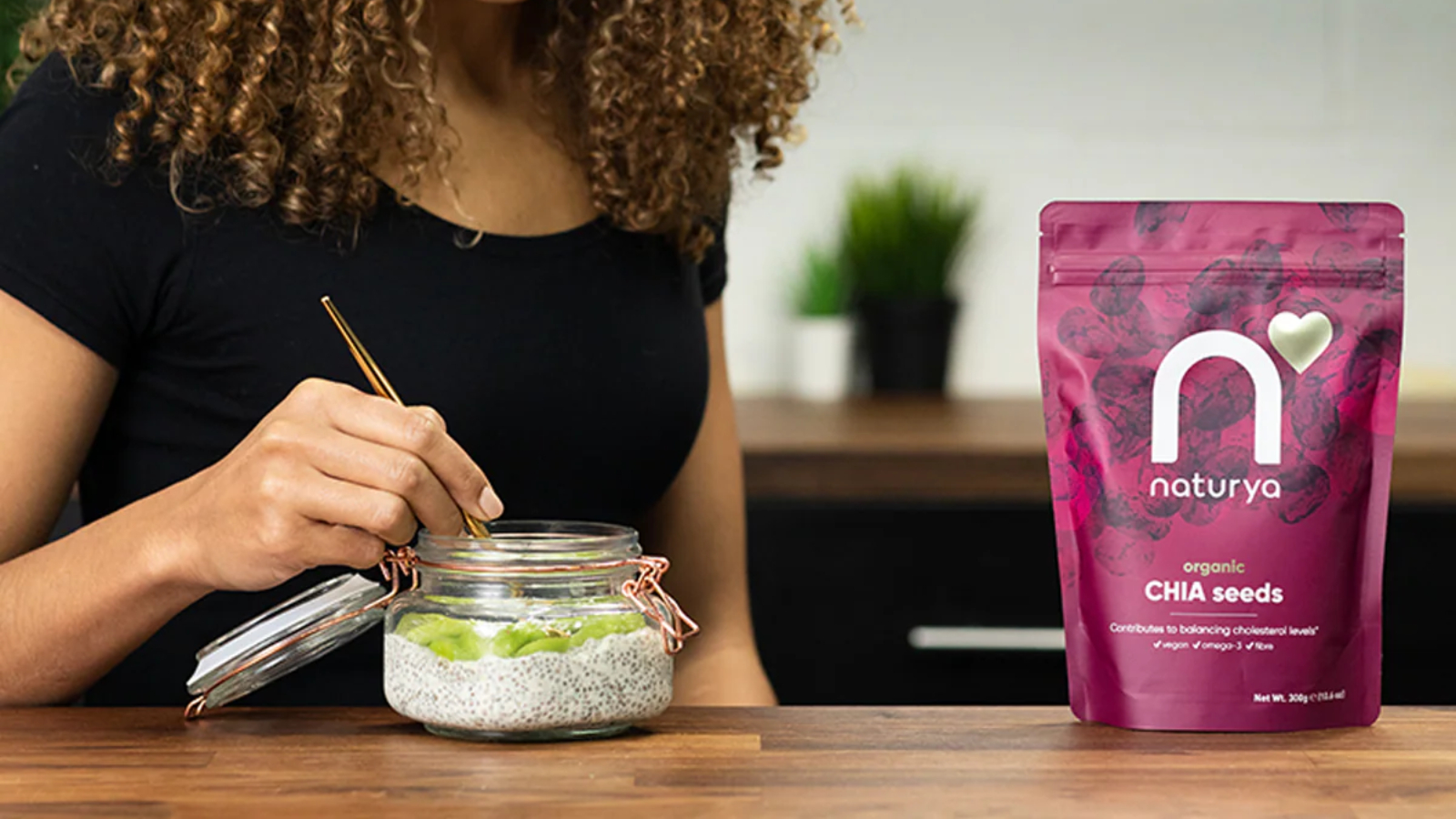
You can find omega-3 fatty acids in:
- Oily fish like salmon, mackerel, sardines and anchovies
- Flax and chia seeds
- Walnuts
- Algal oil (a plant-based source of DHA, ideal if you follow a vegan or vegetarian diet)
If you don’t eat much fish or struggle to get enough omega-3 from food alone, high-quality supplements can help. Always choose a reputable brand that focuses on purity and sustainability.
How omega-3 fatty acids connect to eye comfort
Beyond their role in general health, omega-3 fatty acids have a direct connection to your eyes. They help maintain the structure of your retina and support the production of tears[1]. This can be especially helpful if you suffer from dry, irritated or tired eyes[2].
Research has shown that people with higher omega-3 intake may have a lower risk of certain eye problems as they age[3]. While further studies are needed to understand these benefits fully, the evidence so far is promising.
What are omega-3 fatty acids, and where do they come from?
You might have heard of omega-3 fatty acids, but what exactly are they? These healthy fats are essential for your body and mind. Unlike other fats, your body can’t make omega-3 by itself. That means you need to get them through food or supplements to keep your health in top shape.
The different types of omega-3 fatty acids
There are three main types of omega-3 fatty acids:
- ALA (alpha-linolenic acid): This is mainly found in plant sources like flax seeds, chia seeds and walnuts. Your body can convert small amounts of ALA into EPA and DHA, but this process isn’t very efficient.
- EPA (eicosapentaenoic acid): You find EPA mostly in oily fish and marine sources. It helps fight inflammation and supports many important bodily processes, including heart and eye health.
- DHA (docosahexaenoic acid): DHA is a key building block of your brain and eyes. It helps keep your retina healthy and supports clear, comfortable vision.
Each type plays a unique role, but DHA and EPA are the most powerful when it comes to supporting your eyes.
The best food sources of omega-3
To keep your omega-3 levels up, include more of these foods in your meals:
- Oily fish like salmon, mackerel, sardines and anchovies
- Shellfish, including oysters and mussels
- Plant sources such as flax seeds, chia seeds and hemp seeds
- Walnuts and algae-based foods or oils
Adding these foods to your diet is one of the easiest ways to support your overall health, including your eyes. However, if you don’t eat fish or struggle to get enough from food alone, supplements can help bridge the gap.
Should you consider supplements?
You may find it tricky to get enough omega-3 through your food. In this case, a high-quality fish oil or algae-based supplement can make all the difference. Algae oil is an excellent plant-based source of DHA, ideal if you follow a vegetarian or vegan lifestyle.
When choosing a supplement, look for products that are sustainably sourced and tested for purity. Brands that focus on clean, responsibly sourced omega-3 help protect both your health and the planet.
By understanding the different types of omega-3 fatty acids and where to find them, you’re taking an important step towards supporting your eye health and overall wellbeing.
How does omega-3 support the structure and function of your eyes?
Your eyes are complex, delicate organs that rely on a constant supply of nutrients to work well. Among the most important of these nutrients are omega-3 fatty acids, especially DHA (docosahexaenoic acid). These healthy fats help your eyes stay strong and your vision clear.
The vital role of DHA in your retina
The retina is the thin layer of tissue at the back of your eye. It receives light and turns it into signals your brain can understand, allowing you to see. DHA makes up around 30% of the fatty acids in your retina, making it a key building block for healthy eyes.
Without enough DHA, your retina can’t function at its best. This may lead to blurry vision or discomfort over time. By keeping your retina healthy, DHA supports sharp, clear vision and helps you see fine details, especially in low light.
Supporting eye moisture and comfort
Omega-3 also plays an important role in keeping your eyes moist and comfortable. They support the oily layer of your tears, which stops them from evaporating too quickly. This helps protect your eyes from dryness and irritation, which are common today due to increased screen time.
Studies suggest that people who consume more omega-3 often experience fewer symptoms of dry eye syndrome. This can mean less itching, burning and a more comfortable, clearer feeling throughout the day.
Protecting against inflammation
Inflammation can damage your eyes, leaving them sore and tired. Omega-3 fatty acids have natural anti-inflammatory properties, which help protect the delicate tissues in your eyes from damage. By reducing inflammation, omega-3 supports overall eye comfort and may lower your risk of certain eye issues as you age.
Evidence from clinical studies has shown that higher levels of omega-3 intake may help slow down changes in the eyes linked to ageing, though more research is needed to understand these effects.
Choosing the right omega-3 source
It’s important to include enough omega-3 in your daily routine to enjoy these benefits. Oily fish, like salmon and mackerel, are excellent sources. If you don’t eat fish, algae-based supplements provide a rich source of DHA and are a great choice for vegetarians and vegans.
When shopping for a supplement, look for trusted brands that focus on purity and sustainability. High-quality options help ensure you get all the benefits without unwanted additives.
Can omega-3 help with dry, irritated eyes?

If your eyes often feel gritty, sore or tired, you’re not alone. Dry, irritated eyes are a common problem, especially if you spend long hours in front of a screen or in air-conditioned spaces. Omega-3 fatty acids can offer real support when it comes to soothing and protecting your eyes.
Understanding dry eye syndrome
Your tears do more than show emotion. They keep your eyes comfortable, protect against infections and help you see clearly. Dry eye syndrome happens when your eyes don’t produce enough tears or the tears evaporate too quickly. This can leave you with burning, stinging or a feeling of something stuck in your eye.
Environmental factors, including screen time, heating, or windy weather, can exacerbate your symptoms. Hormonal changes and certain medications may also affect tear production.
How omega-3 supports tear production
Omega-3 fatty acids, especially EPA and DHA, help improve the quality of your tears. They support the oily layer of the tear film, which prevents your tears from drying out too fast. This oily layer is vital for keeping the surface of your eyes smooth and moist.
Research shows that people who consume more omega-3 may have better tear stability and fewer dry eye symptoms. One study found that taking omega-3 supplements reduced the need for artificial tears and improved overall comfort.
Practical ways to include more omega-3 in your diet
Adding omega-3 to your diet is a simple way to support your eyes from within. You can try:
- Eating oily fish like salmon, sardines or mackerel two to three times a week
- Including chia seeds or flaxseed in your breakfast or smoothies
- Snacking on a handful of walnuts
- High-quality omega-3 supplements, especially if you follow a plant-based diet
When choosing a supplement, look for options that focus on purity and sustainability. Algae-based supplements are a great choice if you don’t eat fish.
What to expect
While omega-3 can support eye comfort, they aren’t an instant fix. It may take a few weeks of regular intake to notice improvements in dryness and irritation. Consistency is key, so make it part of your daily routine.
As you include more omega-3 in your diet, you might find your eyes feel less tired and more comfortable, even after a long day. This small change could make a big difference in your everyday life and help you feel more confident about your eye health.
Does omega-3 play a role in long-term vision health?
When you think about looking after your eyes as you age, you might picture regular check-ups or new glasses. But your diet plays a powerful role in keeping your vision sharp over the years. Omega-3 fatty acids can be an important part of this long-term support.
Helping to protect against age-related changes
As you get older, your eyes naturally change. You might notice your vision isn’t as crisp or that your eyes feel drier. One of the most common age-related eye conditions is age-related macular degeneration (AMD). This affects the macula, the part of your retina responsible for central vision and fine detail.
Research suggests that omega-3 fatty acids, especially DHA and EPA, may help support macular health. These fats have anti-inflammatory properties, which can help protect the delicate tissues in your eyes. By reducing inflammation, omega-3 may help slow some of the changes linked with ageing eyes.
Supporting overall eye structure
Your retina relies heavily on DHA to function well. It helps keep your retinal cells flexible and working properly, which is vital for clear, sharp vision. Studies show that people who include more omega-3 in their diets tend to have healthier retinas.
Evidence also points to a potential lower risk of developing certain degenerative eye conditions among those with higher omega-3 intake. While research is ongoing and more large-scale studies are needed, these early findings look promising.
The link with general health
Omega-3 doesn’t just support your eyes; it helps keep your heart and brain healthy too. Good circulation ensures your eyes get enough oxygen and nutrients, which is essential for long-term eye health. By looking after your overall wellbeing, omega-3 indirectly helps maintain strong, healthy vision.
Making small changes to your diet now can make a big difference later. Including oily fish, nuts and seeds, or considering a supplement, can help keep your eyes protected as you age.
Easy ways to support your future vision
You can support your long-term eye health in simple, practical ways:
- Eat two portions of oily fish each week, such as salmon or mackerel
- Sprinkle chia or flax seeds onto your porridge or yoghurt
- Add walnuts to your salads or snack on them
- Choose a high-quality omega-3 supplement if your diet is lacking
By taking these steps, you’re not only supporting your eyes today but also investing in your future vision. Clear, comfortable eyesight can help you stay active, confident, and independent as you age.
Should you get omega-3 from food or supplements?

You know that omega-3 plays an important role in keeping your eyes comfortable and your vision clear. But you might wonder whether it’s best to focus on food sources or take a supplement. The good news is, both options can work; it depends on your diet, lifestyle and personal needs.
The power of whole foods
Eating whole foods rich in omega-3 is one of the best ways to support your eye health. Oily fish such as salmon, sardines, mackerel and anchovies provide a natural source of EPA and DHA, the key omega-3 fatty acids for your eyes.
Plant-based options like flax seeds, chia seeds, hemp seeds and walnuts offer ALA, which your body can convert to EPA and DHA, though not very efficiently. Including these foods helps you get a mix of healthy fats, vitamins and minerals, which work together to keep your eyes and overall health in top shape.
If you enjoy fish and regularly include these foods in your meals, you’re likely getting a good amount of omega-3 fatty acids naturally.
When supplements might help
Many people find it hard to eat oily fish several times a week or get enough omega-3 from plant foods alone. In this case, a high-quality omega-3 supplement can fill the gap and make sure you’re supporting your eyes fully.
Fish oil supplements are a popular choice and contain concentrated amounts of EPA and DHA. If you’re vegetarian or vegan, algae-based supplements provide a clean, plant-based source of DHA and are widely available.
When choosing a supplement, always look for products that are:
- Sustainably sourced, to protect marine life and the environment
- Purity tested, so you avoid unwanted heavy metals and pollutants
- Concentrated and high-quality, ensuring you get enough active omega-3 per serving
Brands that focus on these standards help you feel confident you’re making a healthy and responsible choice. Consider Regenerative Omegas, Together Health, Dr. Vegan or Viridian.
Finding the right balance for you
You don’t have to choose one over the other. Many people enjoy a mix of food sources and supplements to make sure they’re getting enough omega-3 every day.
Adding a supplement can be especially useful if you have dietary restrictions, dislike fish or have increased needs, such as during pregnancy or with certain health conditions.
Before starting any supplement, it’s a good idea to talk with your GP or a nutrition professional. They can help you choose the right dose and type for your needs.
By finding the right balance between diet and supplements, you can support your eye health in a way that works for you. This flexible approach helps you keep your eyes feeling comfortable and your vision sharp, no matter what life throws at you.
Are there any precautions or side effects to be aware of?
Omega-3 fatty acids are generally safe and offer many health benefits, but it’s still important to be aware of a few precautions before adding them to your daily routine. Knowing what to look out for helps you make the best choice for your eyes and your overall wellbeing.
Possible side effects
When taken in recommended amounts, omega-3 rarely cause problems. However, some people might notice mild side effects when starting a new supplement, such as:
- A fishy aftertaste or burps
- Upset stomach or digestive discomfort
- Loose stools
Choosing high-quality, purified supplements can help reduce these issues. Taking your omega-3 supplement with food may also improve absorption and make them easier on your stomach.
Interaction with medications
If you take blood-thinning medication, such as warfarin or aspirin, it’s essential to check with your GP before starting an omega-3 supplement. High doses of omega-3 can increase the risk of bleeding in some people.
Similarly, if you have a bleeding disorder or are about to have surgery, you should speak to a healthcare professional first. These precautions help keep you safe and ensure your supplements support, rather than disrupt, your health.
Watch your dosage
More isn’t always better. Very high doses of omega-3 (over 3g a day from supplements) can lead to unwanted effects and are not usually needed for most people. Sticking to the recommended amounts supports your eye health without putting extra strain on your body.
Most standard supplements contain around 250–500mg of combined EPA and DHA per serving, which is enough for general eye and heart health. Your GP or a nutritionist can help you decide on the right dose for you.
Choosing a safe supplement
When picking a supplement, always look for products that are:
- Third-party tested, to guarantee purity and quality
- Free from heavy metals and contaminants, especially if sourced from fish
- Sustainably sourced, to protect marine ecosystems
Algae-based omega-3 supplements are a great choice if you prefer a plant-based option. They provide DHA directly without any fish, making them ideal for vegetarians and vegans.
Listening to your body
It’s always wise to pay attention to how your body feels when you start something new. If you notice anything unusual, reduce your dose or pause and talk to a health professional.
By understanding these simple precautions, you can enjoy the benefits of omega-3 with confidence and support your eyes safely for years to come.
How can you make omega-3 part of your daily routine for healthier, more comfortable eyes?
You’ve learned just how important omega-3 is for your eyes, from supporting your retina to easing dryness and protecting long-term vision. The next step is weaving these essential fats into your daily life so you can enjoy clear, comfortable eyesight for years to come.
Simple ways to include more omega-3 in your diet
It doesn’t have to feel overwhelming. You can start with small, manageable steps that fit naturally into your meals and habits. Try these easy ideas:
- Eat oily fish twice a week: Salmon, sardines and mackerel are rich in EPA and DHA. Grill them, add them to salads or make a warming fish stew.
- Sprinkle seeds into your meals: Add chia seeds or ground flaxseed to your porridge, smoothies or yoghurt for an extra omega-3 boost.
- Snack on walnuts: Keep a small bag in your desk or kitchen for a quick, healthy crunch.
- Consider an omega-3 supplement: If you find it hard to get enough through food, a high-quality supplement can help fill the gap.
These simple habits don’t just benefit your eyes. They also support your heart, brain and overall wellbeing, making them a true win for your whole body.
Choosing the right products for you
Finding a supplement that suits your needs can make all the difference. Look for options that are:
- Sustainably sourced, to protect the oceans and marine life
- Tested for purity, ensuring no heavy metals or pollutants
- Rich in EPA and DHA, to provide effective support for your eyes
Algae-based omega-3 supplements are a fantastic choice if you follow a vegan or vegetarian lifestyle. They deliver the same powerful DHA without using fish, so you don’t have to compromise on your values.
Building consistency
Consistency is key when it comes to nutrients like omega-3. Your eyes and body need regular, steady support to maintain their health. Try setting a daily reminder or pairing your supplement with an existing habit, like your morning tea or evening skincare routine.
Over time, these small actions become second nature. You might start noticing your eyes feel less dry, you blink less often at your screen, and your vision stays sharper throughout the day.
Moving forward with confidence
By choosing to focus on omega-3 now, you’re investing in your future eye health. You’re taking an active step to protect your comfort and clarity today and in the years ahead.
Keep listening to your body, enjoy nourishing meals and stay curious about the power of nutrition. Your eyes — and the rest of your body — will thank you for it.
Medical Disclaimer:
Food supplements should not be used as a substitute for a varied and balanced diet and are not intended to diagnose, treat, cure or prevent any ailments.
This website contains general information about food supplements. The information is not advice and should not be treated as such. All content, including text, graphics, images and information available through this website, is for general information purposes only. bodykind makes no representation and assumes no responsibility for the accuracy of the information available through this website, and such information is subject to change without notice.
bodykind does not recommend, endorse or make any representation about the efficacy, appropriateness or suitability of any specific tests, products, procedures, treatments or other information that may be contained on or available through this website.
You must not rely on the information on this website as an alternative to medical advice from your doctor or other professional healthcare providers. You should consult your doctor or other professional healthcare providers if you have any specific questions about any medical matter. You should seek immediate medical attention if you think you may be suffering from any medical condition. You should never delay seeking medical advice, disregard medical advice, or discontinue medical treatment because of information on this website.

Comments are closed here.