Focus On Eye Health: Lutein and zeaxanthin
Discover how the powerful carotenoids lutein and zeaxanthin help protect your eyes from a variety of ailments, including age-related macular degeneration.

Contents
How does modern life impact eye health?
Your eyes are among your most precious assets, allowing you to experience the world in vibrant detail. However, modern life presents a multitude of challenges that can threaten your eye health.
Digital screens dominate our daily lives, whether at work, home or on the go. The constant exposure to blue light emitted by these devices can cause eye strain, fatigue and even contribute to more severe conditions such as macular degeneration.
Another growing concern is the increase in age-related eye diseases. As life expectancy rises, so does the prevalence of conditions like cataracts, glaucoma and age-related macular degeneration (AMD). These issues, once considered unavoidable parts of ageing, are now being re-evaluated as potentially preventable or manageable through lifestyle choices, particularly diet.
Additionally, environmental factors play a significant role in eye health. Pollution, UV radiation and poor air quality are just a few external factors that can exacerbate existing eye conditions or lead to new ones.
Maintaining good eye health is not just about regular check-ups; it’s about a holistic approach that includes what you eat, how you live and the choices you make every day.
Why is nutrition increasingly crucial for eye health?
The old adage, “You are what you eat,” couldn’t be more accurate when it comes to your eyes. Just as your body requires specific nutrients to function optimally, your eyes depend on certain vitamins and minerals to stay healthy. Recently, nutrition has taken centre stage in discussions about eye health, particularly the role of superfoods.
Superfoods, packed with essential nutrients, offer more than just basic nutrition. They provide powerful antioxidants that protect your eyes from damage caused by free radicals and oxidative stress—two key contributors to age-related eye diseases. For instance, vitamins A, C and E, along with minerals like zinc, are vital for maintaining good vision and slowing the progression of conditions such as AMD.
But it’s not just about individual vitamins and minerals. Recent research has highlighted the importance of specific nutrients like lutein and zeaxanthin, which have been shown to be crucial for eye health. These carotenoids are found in high concentrations in your eyes’ retina and lens, where they protect against harmful light and oxidative damage.
What exactly are lutein and zeaxanthin?
Lutein and zeaxanthin are carotenoids, a class of naturally occurring pigments found in plants. These powerful antioxidants give fruits and vegetables their vibrant yellow, orange and green colours. But their importance extends far beyond just making your plate look appealing.
When you consume lutein and zeaxanthin-rich foods, these compounds travel through your bloodstream and accumulate in the retina, particularly in the macula, which is responsible for central vision.
In the human body, lutein and zeaxanthin serve as a kind of internal sunscreen for your eyes. They act as filters, absorbing harmful blue light before it can reach the sensitive layers of the retina. Blue light, which is prevalent in sunlight and emitted by digital screens, can cause oxidative stress and damage the cells in your eyes over time. By absorbing this light, lutein and zeaxanthin reduce the risk of light-induced oxidative damage, thereby protecting your vision.
Moreover, these carotenoids neutralise free radicals—unstable molecules that can damage cells and contribute to chronic diseases. By scavenging these free radicals, lutein and zeaxanthin help prevent oxidative stress, which is a significant factor in the development of eye conditions such as cataracts and age-related macular degeneration (AMD).
- Protection Against Age-Related Macular Degeneration (AMD): One of the most significant benefits of lutein and zeaxanthin is their role in reducing the risk of AMD, a leading cause of vision loss in older adults. Studies have shown that higher levels of these carotenoids in the retina are associated with a lower risk of AMD. By filtering blue light and neutralising free radicals, lutein and zeaxanthin help to slow down or even prevent the progression of AMD, thereby preserving your central vision as you age.
- Improvement in Visual Performance: Lutein and zeaxanthin also contribute to improved visual performance. They enhance contrast sensitivity, which is your ability to distinguish objects from their background, especially in low-light conditions. This is particularly beneficial for activities such as driving at night or navigating dimly lit environments. Additionally, these carotenoids have been linked to a reduction in glare discomfort, which is a common issue when transitioning from bright sunlight to indoor lighting.
- Reduction in Eye Fatigue: In today’s digital age, many people experience eye strain or fatigue after extended periods of screen time. Lutein and zeaxanthin help alleviate this discomfort by reducing the oxidative stress caused by prolonged exposure to blue light. This makes them especially valuable for those who spend hours in front of computers, tablets or smartphones.
Lutein and zeaxanthin are not just beneficial; they are essential for maintaining long-term eye health. Unfortunately, your body cannot produce these carotenoids on its own. This means that your eyes rely entirely on your diet to obtain adequate levels of lutein and zeaxanthin. Without sufficient intake, your risk of developing eye diseases increases, and your ability to filter harmful light diminishes.
What does the science say about lutein and zeaxanthin?
The body of scientific evidence supporting the benefits of lutein and zeaxanthin for eye health is both robust and growing. Numerous studies have demonstrated the protective effects of these carotenoids, particularly in relation to age-related macular degeneration (AMD) and cataracts, two of the most common eye diseases affecting millions of people worldwide.
- One study suggested that increased intake of lutein and zeaxanthin supplements may reduce the risk of age-related macular degeneration and improve visual function in various eye diseases.[1]
- Another study found that higher doses of lutein and zeaxanthin intake can increase macular pigment optical density in adults with healthy eyes, potentially aiding in maintaining ocular health.[2]
- Specifically in relation to damage caused by the blue light emitted from phone and tablet screens, one study suggested lutein and zeaxanthin supplementation protects the eye from age-related blue light damage by quenching reactive oxygen species and absorption of blue light.[3]
The science behind lutein and zeaxanthin continues to evolve, with new studies regularly shedding light on their broader health benefits. While the existing research provides a strong foundation for understanding how these nutrients protect your eyes, ongoing investigations are likely to uncover even more about their role in overall health.
References
- Scripsema, N.K., Hu, D., & Rosen, R.B. (2015). Lutein, Zeaxanthin, and meso-Zeaxanthin in the Clinical Management of Eye Disease. Journal of Ophthalmology, 2015.
- Wilson, L.M., Tharmarajah, S., Jia, Y., Semba, R.D., Schaumberg, D.A., & Robinson, K.A. (2021). The Effect of Lutein/Zeaxanthin Intake on Human Macular Pigment Optical Density: A Systematic Review and Meta-Analysis. Advances in Nutrition, 12, 2244 – 2254.
- Roberts, J.E., & Dennison, J.L. (2015). The Photobiology of Lutein and Zeaxanthin in the Eye. Journal of Ophthalmology, 2015.

Which foods are rich in lutein and zeaxanthin?
Lutein and zeaxanthin are abundant in various fruits, vegetables and other plant-based foods, many of which are readily available and easy to incorporate into your diet. However, choosing foods that are not only rich in these nutrients but also sustainably produced is equally important for both your health and the environment.
- Dark, Leafy Greens: One of the best sources of lutein and zeaxanthin is dark, leafy greens. Kale and spinach top the list, offering the highest concentrations of these essential carotenoids. Just a single cup of cooked kale contains over 20 mg of lutein and zeaxanthin, making it a nutritional powerhouse for your eyes. Spinach follows closely, providing around 12 mg per cooked cup. These vegetables are nutrient-dense and environmentally friendly when grown using sustainable farming practices. Opting for organic or locally sourced greens can further reduce your carbon footprint and support eco-friendly agriculture.
- Colourful Vegetables: In addition to leafy greens, a variety of colourful vegetables are rich in lutein and zeaxanthin. Broccoli, peas and corn are excellent options that add both colour and nutrition to your meals. Broccoli, in particular, is a versatile vegetable that contains about 1 mg of lutein per cup, while peas offer a similar amount. Corn, a staple in many diets, provides around 2 mg per half-cup serving. These vegetables are often grown using sustainable methods, especially when sourced from local farms that practice crop rotation and organic farming, helping to maintain soil health and reduce the need for chemical inputs.
- Brightly Coloured Fruits: Fruits, especially those with vibrant colours, are also rich in lutein and zeaxanthin. Oranges, kiwi and grapes are particularly notable. Oranges not only provide a good dose of vitamin C but also contain small amounts of lutein and zeaxanthin, contributing to your overall intake. Kiwi, known for its high vitamin C content, also offers these eye-healthy carotenoids. Grapes, especially the darker varieties, are another excellent source, with their deep colour indicating a high concentration of antioxidants. When selecting fruits, choose those that are in season and locally grown, as this supports sustainable agriculture and reduces the environmental impact associated with transportation.
- Eggs: Surprisingly, eggs are a significant source of lutein and zeaxanthin. The yolk contains these carotenoids in a highly bioavailable form, meaning your body can absorb them more efficiently than from plant sources. Each egg yolk provides about 0.2 mg of lutein and zeaxanthin. Choosing eggs from pasture-raised or free-range chickens improves the nutritional quality and aligns with sustainable farming practices. These methods ensure the humane treatment of animals and promote biodiversity, making your choice of eggs beneficial for both you and the planet.
As you incorporate more lutein and zeaxanthin-rich foods into your diet, remember that your choices have a broader impact. Sustainable eating not only supports your eye health but also contributes to the wellbeing of the planet. By choosing foods that are both nutrient-dense and sustainably sourced, you can enjoy the dual benefits of protecting your vision and promoting environmental health. These small, thoughtful changes in your diet can lead to significant long-term benefits for both you and future generations.
What other health benefits are associated with lutein and zeaxanthin?
While lutein and zeaxanthin are celebrated for their role in protecting your vision, their benefits extend far beyond eye health. These powerful carotenoids contribute to various aspects of your overall wellbeing, making them an essential part of a balanced diet. Their antioxidant and anti-inflammatory properties are particularly noteworthy, as they play a crucial role in supporting your body’s defence mechanisms and promoting long-term health.
- Brain Health and Cognitive Function: Emerging research suggests that lutein and zeaxanthin may positively impact brain health, particularly as you age. These carotenoids are found in significant concentrations in the brain, where they are believed to enhance cognitive function by reducing oxidative stress and inflammation. In older adults, these nutrients help slow cognitive decline, offering a natural way to support brain health as part of a healthy diet.
- Cardiovascular Health: Lutein and zeaxanthin also play a role in maintaining a healthy cardiovascular system. Their antioxidant properties help reduce the oxidation of LDL cholesterol, which is a key factor in the development of atherosclerosis—a condition that can lead to heart attacks and strokes. By protecting your arteries from oxidative damage, these carotenoids contribute to better heart health.
- Skin Health and Protection: Your skin, like your eyes, is constantly exposed to environmental stressors such as UV radiation and pollution, leading to premature ageing and an increased risk of skin cancer. Lutein and zeaxanthin have been shown to offer protection against UV-induced damage by filtering harmful blue light and neutralising free radicals that can damage skin cells. Incorporating these carotenoids into your diet can enhance your skin’s natural defences, improving its overall appearance and resilience.
- Anti-Inflammatory Effects: Chronic inflammation is a common underlying factor in many diseases, including heart disease, diabetes and certain cancers. The anti-inflammatory properties of lutein and zeaxanthin are well-documented, with research showing that they can help modulate inflammatory responses in the body. By reducing inflammation, these carotenoids may help prevent or manage a range of chronic conditions, supporting your overall health and wellbeing. Their ability to reduce markers of inflammation, such as C-reactive protein (CRP), highlights their potential in combating inflammation-related diseases.
By now, it’s clear that lutein and zeaxanthin offer far-reaching benefits that extend well beyond eye health. Their role in supporting brain function, heart health, skin protection and inflammation reduction makes them invaluable components of a healthy diet. As you continue to make informed dietary choices, incorporating these carotenoids into your meals will help you maintain sharp vision and enhance your overall wellness.
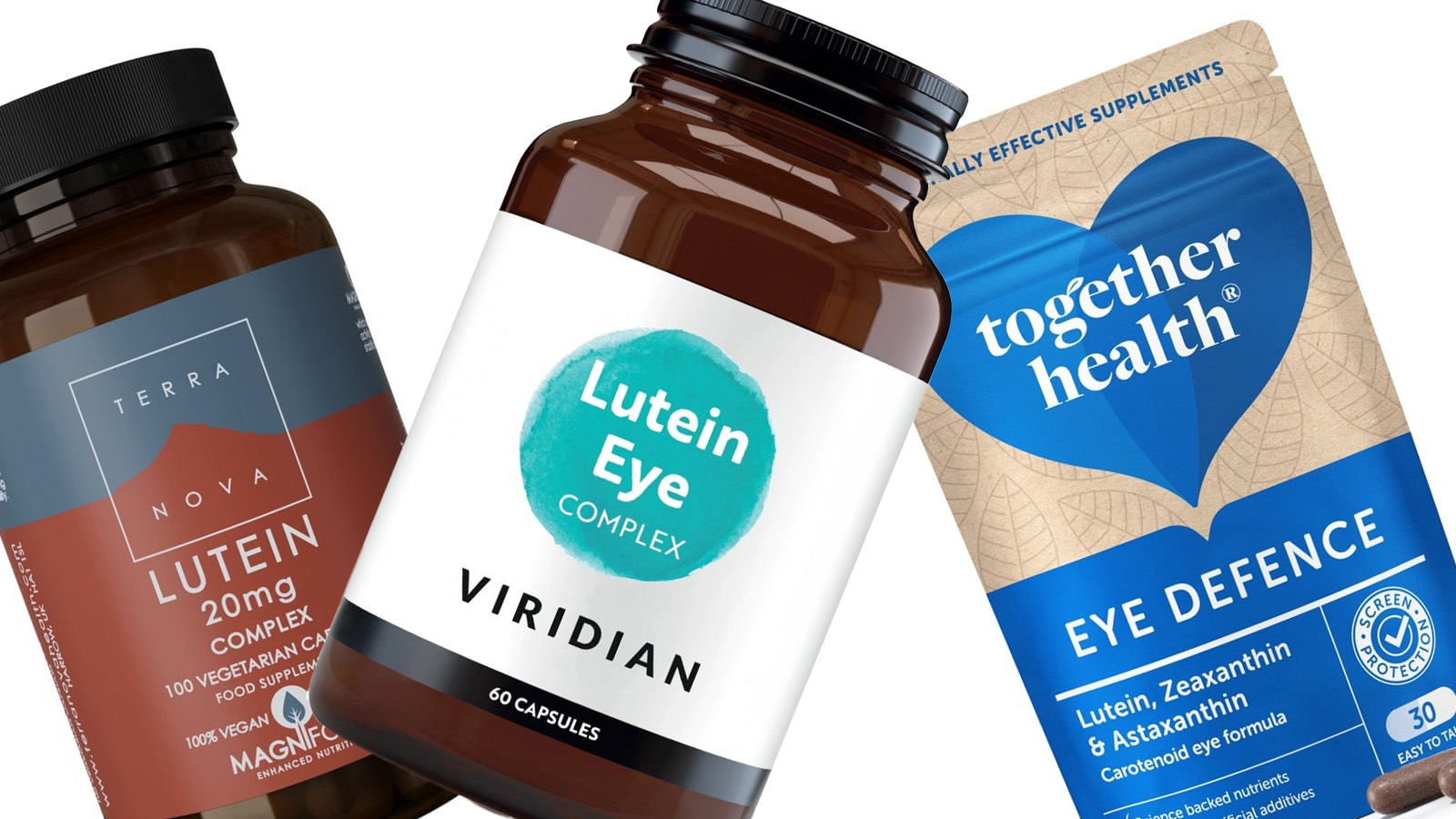
Should I consider lutein and zeaxanthin supplements?
While an ideal diet would provide all the nutrients your body needs, there are times when supplementing with lutein and zeaxanthin may be necessary or beneficial. Understanding when to consider supplements and how to choose them wisely can significantly impact your overall health and wellbeing.
- Dietary Gaps and Nutritional Deficiencies: In today’s fast-paced world, maintaining a perfectly balanced diet every day can be challenging. You may find it difficult to consume enough lutein and zeaxanthin-rich foods, particularly if you have specific dietary restrictions, food allergies or preferences that limit your intake of certain fruits and vegetables. For instance, if you follow a low-vegetable diet or have limited access to fresh produce, your levels of these crucial carotenoids might be lower than optimal. In such cases, a supplement can help fill in the gaps and ensure that your eyes and overall health receive the protection they need.
- Increased Nutritional Needs: Certain life stages and conditions may increase your body’s need for lutein and zeaxanthin. As you age, the natural decline in nutrient absorption and a higher risk of eye diseases like macular degeneration and cataracts may necessitate a higher intake of these carotenoids. Similarly, if you spend a lot of time exposed to blue light from digital screens or sunlight, your eyes may benefit from additional support.
- Chronic Health Conditions: If you have a chronic illness or condition, your body may require more antioxidants to combat the increased oxidative stress. Supplements can provide a concentrated dose of lutein and zeaxanthin, which might help reduce inflammation, support your immune system and protect against further health complications. However, it’s crucial to consult your healthcare provider before starting any supplement regimen, especially if you have an existing health condition or are taking medication.
How do I ensure the supplements I choose are both effective and sustainably produced?
Choosing a lutein and zeaxanthin supplement involves more than just picking the first bottle you see on the shelf. Not all supplements are created equal, and selecting a high-quality, effective and sustainably produced product requires careful consideration.
- Check the Dosage and Formulation: One of the first things to look for is the dosage. Research suggests that a daily dose of 10 mg of lutein and 2 mg of zeaxanthin is effective for supporting eye health, though individual needs may vary. Ensure that the supplement provides these nutrients in a bioavailable form, meaning your body can absorb and utilise them efficiently. Supplements that include these carotenoids in an esterified form or combined with healthy fats may enhance absorption, as lutein and zeaxanthin are fat-soluble compounds. EyeAstin from BioAstin features 20mg of Lutein and 2mg of Zeaxanthin and also has the added benefit of Astaxanthin, another potent antioxidant.
- Review the Ingredient List: Always scrutinise the ingredient list for fillers, artificial additives and allergens. A high-quality supplement should contain minimal inactive ingredients, focusing instead on delivering pure and potent doses of lutein and zeaxanthin. Natural sources, such as marigold flower extract, are preferred over synthetic alternatives, as they are more likely to be better absorbed and utilised by your body. If you follow a vegetarian or vegan diet, ensure the supplement is plant-based and free from animal-derived ingredients. We recommend Together Health’s Eye Defence, which contains only active ingredients and features lutein and zeaxanthin derived from marigold flowers.
- Sustainability and Ethical Sourcing: Sustainability is increasingly important in the supplement industry, and rightly so. Look for products from companies that prioritise ethical sourcing and environmentally friendly practices. This might include using organic farming methods to grow the plants from which lutein and zeaxanthin are extracted, or ensuring that their production processes minimise environmental impact. Certifications such as Soil Association Organic, Fair Trade, or non-GMO can offer reassurance that the product meets specific ethical and sustainability standards. Additionally, companies that are transparent about their supply chains and manufacturing processes are generally more trustworthy. Viridian Nutrition’s Lutein Eye Complex is a great example of a product from a company with a long history of ethical and sustainable manufacturing processes.
- Packaging and Environmental Impact: Consider the packaging of the supplement as well. Choose products that use recyclable or biodegradable materials, reducing your environmental footprint. Some companies, such as Viridian and Together Health, go the extra mile by using packaging made from post-consumer recycled materials or offering bulk options to cut down on waste. By selecting supplements that align with your sustainability values, you support practices that benefit both your health and the planet.
Making informed choices for your health and the environment
Choosing the right lutein and zeaxanthin supplement is an investment in your long-term health. By understanding when supplementation might be necessary and what to look for in a high-quality, sustainably produced product, you can make informed decisions that benefit both you and the environment.
Medical Disclaimer:
Food supplements should not be used as a substitute for a varied and balanced diet and are not intended to diagnose, treat, cure or prevent any ailments.
This website contains general information about food supplements. The information is not advice and should not be treated as such. All content, including text, graphics, images and information available through this website, is for general information purposes only. bodykind makes no representation and assumes no responsibility for the accuracy of the information available through this website, and such information is subject to change without notice.
bodykind does not recommend, endorse or make any representation about the efficacy, appropriateness or suitability of any specific tests, products, procedures, treatments or other information that may be contained on or available through this website.
You must not rely on the information on this website as an alternative to medical advice from your doctor or other professional healthcare providers. You should consult your doctor or other professional healthcare providers if you have any specific questions about any medical matter. You should seek immediate medical attention if you think you may be suffering from any medical condition. You should never delay seeking medical advice, disregard medical advice, or discontinue medical treatment because of information on this website.

Comments are closed here.