The Natural Shield: How to guard your eyes from seasonal stressors
Protecting your eyes is important all year round, not just when the sun is shining. By understanding how sunlight, diet, and lifestyle affect your vision, you can take simple steps to keep your eyes healthy and comfortable every day.

Contents
- Why should you care about protecting your eyes all year round?
- How does sunlight damage your eyes, even in winter?
- What role do sunglasses and hats play in eye protection?
- Can your diet really support stronger, healthier eyes?
- How can supplements help fill the gaps in your diet?
- What about screen time and indoor eye health?
- How does your overall lifestyle influence your eye health?
- What are the key takeaways for protecting your eyes all year?
Why should you care about protecting your eyes all year round?
When you think about eye protection, you might picture summer holidays, bright beach days and strong midday sun. But your eyes face challenges in every season, and protecting them should be part of your daily routine, not just a summer habit. Your eyes are incredibly delicate. Just like your skin, they’re vulnerable to UV rays, harsh weather and even the effects of your diet and lifestyle.
More than just sunlight
Many people don’t realise that UV rays can harm your eyes even on cloudy, cold or snowy days. In fact, snow reflects up to 80% of UV light, which can increase your exposure dramatically during winter walks or ski trips. Over time, excessive UV exposure can increase your risk of cataracts, age-related macular degeneration, and growths on the eye surface called pterygium.
Cold wind and dry air can also make your eyes feel gritty and irritated. Central heating and indoor air conditioning can often exacerbate this by drying out the tear film that keeps your eyes comfortable. Looking after your eyes year-round isn’t just about shielding them from the sun; it’s about keeping them healthy and comfortable in every environment.
Small changes, big impact
You don’t have to make big, drastic changes to look after your eyes. Small, daily habits can help protect your vision for the long term. Wearing proper sunglasses, choosing nourishing foods, staying hydrated and giving your eyes regular breaks from screens can all make a real difference.
Your diet also plays a huge role in supporting eye health. Nutrients, including vitamin A, lutein, zeaxanthin and omega-3 fatty acids, help protect your eyes from oxidative stress and support clear, comfortable vision. Adding leafy greens, orange and yellow vegetables, oily fish and nuts in your meals can give your eyes a real boost.
Why it matters
Your eyes don’t just help you see, they let you connect with the world, share moments with loved ones and enjoy life’s details. Protecting them now helps maintain that freedom and joy as you age.
Looking after your eyes is an investment in your independence and wellbeing. By starting small and staying consistent, you can help keep your vision clear and bright, season after season.
How does sunlight damage your eyes, even in winter?
Most people think of sunglasses and eye protection only during summer holidays or sunny days. Yet your eyes face UV exposure every time you step outside, even when it’s cloudy or cold. Ultraviolet (UV) rays don’t disappear when temperatures drop. In fact, your eyes can face even more intense exposure in winter, thanks to reflective surfaces like snow and ice.
The hidden risk of UV rays
UV radiation comes in two main types: UVA and UVB. Both can damage the delicate structures in your eyes. Long-term UV exposure raises your risk of cataracts, a condition where the lens becomes cloudy and affects your vision. According to the World Health Organisation, up to 20% of cataracts may be caused by UV damage.
Macular degeneration, which affects your central vision and can make reading or recognising faces harder, has also been linked to UV exposure. Over time, unprotected eyes can also develop pinguecula and pterygium, growths on the white of your eye that may cause irritation or affect your vision.
Winter sun can be even stronger
It might surprise you, but snow can reflect up to 80% of UV rays, increasing your exposure and risk of damage. Skiing, snowboarding or even a bright winter walk can expose your eyes to high levels of reflected light. The thin atmosphere at higher altitudes also lets in more UV radiation.
Cloudy days aren’t as safe as you might think either. Up to 80% of UV rays still penetrate clouds, meaning your eyes are at risk even when the sun hides away.
Protecting your eyes every day
You don’t have to avoid the outdoors to keep your eyes safe. Simple daily habits help reduce your risk of UV-related damage:
- Wear high-quality sunglasses that block 99–100% of UVA and UVB rays.
- Add a wide-brimmed hat for extra shade and protection.
- Stay aware of reflective surfaces, such as snow, sand and water.
By taking these steps, you protect your vision and support the long-term health of your eyes.
Small, consistent actions can make all the difference. By understanding the risks and choosing protective habits, you’re investing in clearer, healthier vision for years to come.
What role do sunglasses and hats play in eye protection?

When you think about sun protection, you probably picture sunscreen and shade. But your eyes deserve just as much care and attention. Wearing the right sunglasses and hats isn’t just a summer fashion choice; it’s a smart and powerful way to guard your vision every day.
Sunglasses: more than a style statement
Good-quality sunglasses do far more than reduce glare. They block harmful UVA and UVB rays that can damage your eyes over time. Without this protection, UV rays may increase your risk of cataracts and age-related macular degeneration, and cause immediate discomfort such as photokeratitis (sunburn of the eye).
When choosing sunglasses, look for labels that say they block 99–100% of UVA and UVB rays. Wraparound styles offer extra coverage by stopping rays sneaking in from the sides. Polarised lenses are also a great choice if you spend a lot of time around water or snow, as they reduce glare and improve visual comfort.
Hats: your extra layer of defence
A wide-brimmed hat offers an added layer of protection for your eyes and the delicate skin around them. By shading your face, hats help reduce the amount of UV rays reaching your eyes by up to 50%.
Choosing a hat with at least a 7.5cm brim all around can make a real difference. This simple habit is especially useful during midday hours when the sun is strongest.
Every day habits make all the difference
Combining sunglasses and a hat creates a strong shield against UV exposure. Together, they help keep your eyes more comfortable and reduce your long-term risk of serious conditions.
- Always carry sunglasses in your bag or car so you’re never caught unprepared.
- Pick a comfortable hat that you enjoy wearing, you’re more likely to use it regularly.
- Check your sunglasses each year to ensure they’re still offering full UV protection.
Looking after your eyes doesn’t have to be complicated. By making these simple choices part of your daily routine, you help keep your vision sharp and your eyes healthy, no matter the season.
Can your diet really support stronger, healthier eyes?
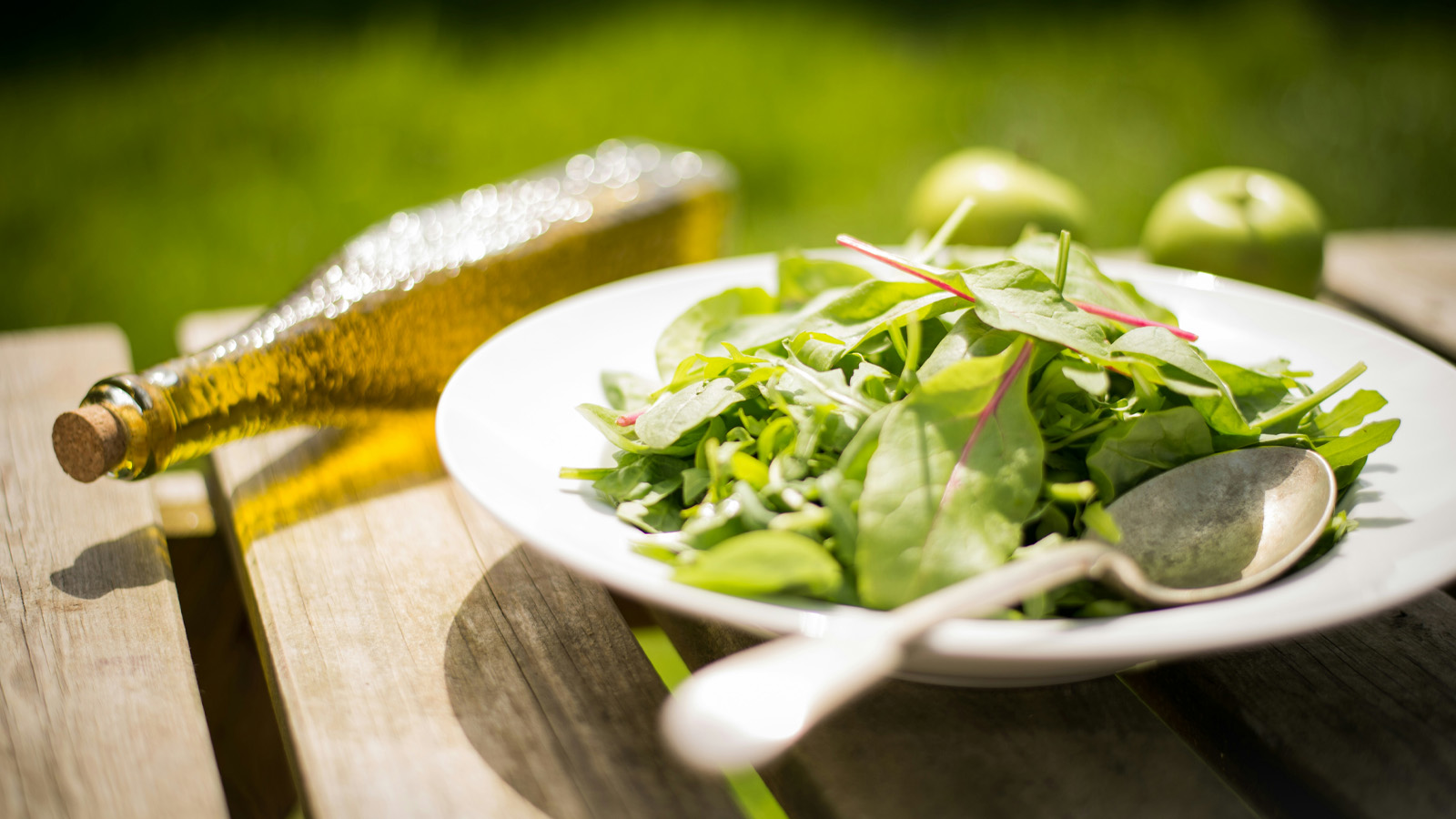
You might already know that a balanced diet can boost your energy and help your skin glow, but it’s just as important for your eyes. The food you choose every day plays a big role in protecting your vision and keeping your eyes comfortable and strong.
Nutrients that matter most
Several nutrients have been shown to help keep your eyes healthy. Vitamin A supports the surface of your eye and is vital for good night vision. Lutein and zeaxanthin, two powerful antioxidants found in colourful fruits and leafy greens, help filter harmful blue light and protect your retina.
Omega-3 fatty acids, which you’ll find in oily fish like salmon and sardines, help reduce dry eye symptoms by supporting a healthy tear film. Vitamin C and vitamin E work together to fight oxidative stress, which can damage eye cells over time. Zinc is another key player, helping to transport vitamin A from the liver to the retina, supporting overall vision.
What to eat for healthy eyes
It’s easier than you might think to include these nutrients in your meals. Adding more colourful fruits and vegetables, nuts, seeds, and fish can transform your eye health.
Some simple ways to add eye-loving foods to your day:
- Start your morning with a smoothie packed with spinach, mango and orange juice for a boost of vitamin C and lutein.
- Enjoy a handful of nuts or seeds as a snack to get vitamin E and zinc.
- Include oily fish in your meals a couple of times a week to top up on omega-3s.
- Add carrots, sweet potatoes and peppers to your meals for an extra dose of vitamin A.
Small changes, big rewards
You don’t need to make huge changes to see benefits. Even small daily tweaks can have a lasting impact on your eye health. By choosing a rainbow of fruits and vegetables and including healthy fats, you give your eyes the nutrients they need to stay strong and clear.
Alongside good sun protection, these diet changes help create a solid foundation for healthy vision. By taking care of your eyes from the inside out, you set yourself up for clearer, more comfortable vision today and in the years ahead.
How can supplements help fill the gaps in your diet?
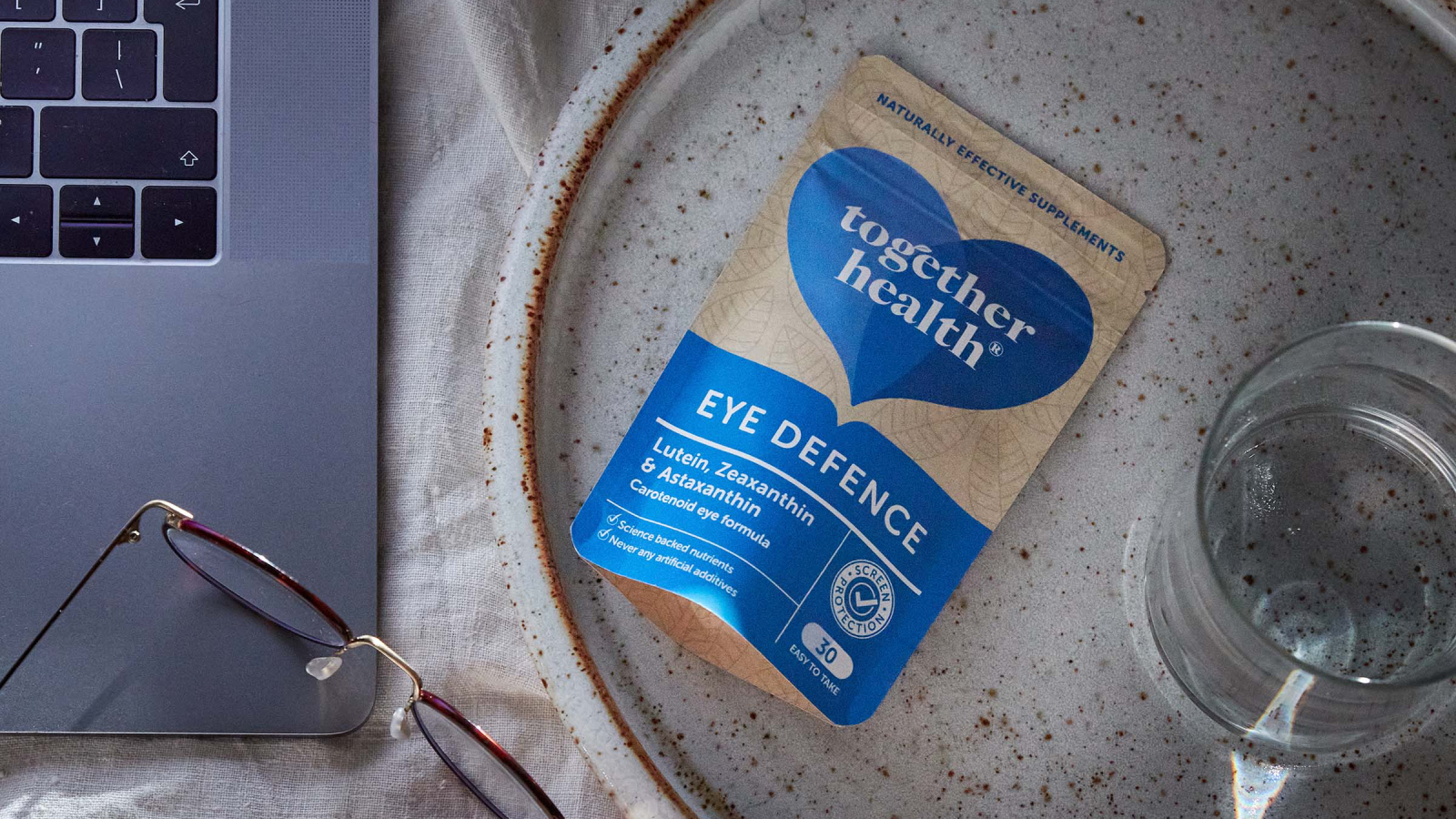
Eating a colourful, balanced diet is one of the best ways to support your eye health. But, even when you try your best, busy lifestyles, dietary restrictions, or seasonal availability can make it tricky to get every nutrient you need. This is where supplements can step in and help fill the gaps, giving your eyes an extra layer of protection and support.
When food alone isn’t enough
You might find it hard to eat enough leafy greens or oily fish each week. Some days, you might skip vegetables or forget to add seeds and nuts to your meals. Over time, these small gaps can affect your nutrient intake and, in turn, your eye health.
Supplements offer a convenient way to top up important nutrients like lutein, zeaxanthin, omega-3 fatty acids and zinc. These nutrients help protect your retina, support healthy tear production and reduce oxidative stress.
Choosing high-quality, well-formulated supplements can give you peace of mind that you’re covering your nutritional bases, even on those busier days.
Key nutrients to look for
If you’re considering adding a supplement to your routine, look for these key ingredients:
- Lutein and zeaxanthin: Help filter harmful blue light and protect the macula.
- Omega-3 fatty acids (DHA and EPA): Support tear film stability and reduce dry eye discomfort.
- Vitamin C and vitamin E: Work together to protect eye cells from oxidative damage.
- Zinc: Helps maintain normal vision and supports vitamin A transport in the body.
- Vitamin A: Essential for clear, night-time vision and overall eye surface health.
Simple ways to include them
Adding supplements doesn’t have to feel like a chore. Many come in easy-to-swallow capsules or softgels, and some even combine multiple nutrients in one formula.
It’s always a good idea to choose trusted brands and speak with a healthcare professional before starting new supplements, especially if you have health conditions or take medication.
Using supplements alongside a nutrient-rich diet can give your eyes the best of both worlds, strong foundational support from food and extra targeted help where you need it most. By combining these strategies, you help keep your eyes clear, comfortable and protected, no matter what life throws at you.
What about screen time and indoor eye health?
You might not think about your eyes when working at your laptop or scrolling on your phone. But your indoor habits can have a huge impact on your eye comfort and long-term health.
Digital screens, central heating and air conditioning all contribute to eye strain and dryness. While you can’t always avoid these things, you can take simple steps to keep your eyes healthy and happy indoors.
Why screens make your eyes work harder
When you stare at a screen for long periods, you blink less often. This reduces the natural moisture that protects your eyes, leading to dryness and irritation. Staring at close-up text or images can also strain the muscles that help your eyes focus.
Over time, this can cause digital eye strain, also known as computer vision syndrome. You might notice symptoms like blurry vision, headaches, tired eyes or even neck and shoulder tension.
Simple strategies to reduce eye strain
Small, practical habits can make a big difference to how your eyes feel during and after screen use.
- Follow the 20-20-20 rule: Every 20 minutes, look at something 20 feet away for 20 seconds.
- Adjust your screen settings: Increase text size, reduce brightness and use blue light filters if possible.
- Position your screen correctly: Keep it at least an arm’s length away and slightly below eye level.
- Use artificial tears: Lubricating eye drops can help relieve dryness, especially in air-conditioned spaces.
Indoor environment matters too
Indoor air can dry out your eyes, especially during winter when the heating is on. Using a humidifier can help keep moisture in the air and support your tear film.
Staying hydrated is just as important inside as it is outdoors. Drinking enough water helps maintain healthy tear production and keeps your eyes comfortable.
Balanced lighting can also reduce glare and prevent your eyes from working too hard. Try to use natural light when possible and avoid harsh overhead lights that reflect off screens.
By making these small changes, you protect your eyes from the challenges of modern indoor life. Taking breaks, creating a comfortable workspace and supporting moisture levels all help keep your eyes feeling fresh and focused.
How does your overall lifestyle influence your eye health?

Your everyday lifestyle choices shape your eye health in surprising ways. The good news? Small habits can make a big difference in keeping your vision clear and your eyes comfortable.
The power of hydration and sleep
Staying hydrated is essential for almost every part of your body, including your eyes. Dehydration can reduce tear production, leaving your eyes feeling dry and irritated. By drinking enough water each day, you help maintain a healthy tear film and keep your eyes moist and comfortable.
A good night’s sleep is also vital. While you sleep, your eyes get a chance to recover and refresh. Poor sleep can lead to twitching, redness and blurry vision. Prioritising rest gives your eyes time to repair and prepares them for the next day.
Smoking and your eyes
Smoking doesn’t just harm your lungs and heart; it also increases your risk of serious eye conditions. People who smoke are more likely to develop cataracts and age-related macular degeneration. These conditions can lead to permanent vision loss if not managed early.
If you smoke, cutting down or stopping altogether is one of the best things you can do for your eye health. Support from a healthcare professional or smoking cessation programme can help you make this positive change.
Movement and circulation
Regular movement helps keep your blood flowing, delivering oxygen and nutrients to your eyes. Gentle activities like walking, yoga or stretching can support healthy circulation and reduce eye strain from long periods of sitting.
You don’t need to run a marathon. Just moving more throughout the day helps support your overall health, including your eyes.
Small steps, lasting benefits
Building good habits doesn’t have to feel overwhelming. You can start with one change and add more over time. For example:
- Keep a water bottle nearby to remind yourself to drink.
- Set a regular bedtime and stick to it as often as possible.
- Take short walks during the day to keep your body and eyes refreshed.
By caring for your eyes as part of your overall lifestyle, you support their health in a simple, natural way. These habits not only protect your vision but also improve your overall wellbeing, helping you feel your best every day.
What are the key takeaways for protecting your eyes all year?
Looking after your eyes isn’t just a seasonal task. It’s something that deserves your attention every day, whatever the weather. By taking small, thoughtful steps, you can protect your vision and keep your eyes feeling clear and comfortable throughout the year.
Simple habits make a big difference
You don’t need a complete lifestyle overhaul to support your eye health. Instead, focus on small, consistent habits that build up over time.
- Wear sunglasses that block 99–100% of UVA and UVB rays whenever you’re outdoors.
- Choose a wide-brimmed hat for extra shade, especially during midday sun.
- Eat a rainbow of fruits and vegetables to give your eyes the nutrients they need.
- Include oily fish, nuts and seeds in your meals for omega-3 fatty acids.
- Take regular screen breaks and follow the 20-20-20 rule to reduce eye strain.
- Stay hydrated and prioritise good sleep to keep your eyes comfortable and refreshed.
Supplements can support your routine
Even with a balanced diet, it’s not always easy to get enough eye-friendly nutrients. Supplements can help fill gaps and provide extra support, especially for busy days or during certain seasons. Look for options that include lutein, zeaxanthin, omega-3 fatty acids and zinc to cover key areas of eye health.
Invest in your future vision
Your eyes connect you to the world, letting you enjoy small everyday details and big life moments. Protecting them now helps you keep that freedom and joy as you age.
Every small choice you make today, from the meals you enjoy to the sunglasses you pick, strengthens the foundation for healthy vision tomorrow. By treating your eyes with the same care you give the rest of your body, you set yourself up for a clearer, brighter future.

Comments are closed here.