Gluten and Your Gut: Should I embrace a gluten-free diet?
Learn to identify how gluten might be triggering gut discomfort, consider testing for sensitivities, and make educated decisions for better digestion.

Contents
Gluten often takes centre stage when it comes to gut health, and you may have noticed more people talking about it than ever before. Perhaps you have wondered why doctors, nutritionists and dieticians keep bringing it up, or maybe you have seen the increasing number of gluten-free products lining supermarket shelves. This surge in interest did not happen by chance. Instead, it reflects a growing body of research that connects gluten to digestive wellness in some individuals.
Stomach discomfort, bloating and changes in bowel habits prompt many to question the role of gluten in their diets. While gluten occurs naturally in certain grains, scientific studies suggest that not everyone tolerates it well. Some people’s gut linings may react negatively when exposed to gluten, leading to irritation or other persistent issues. Credible bodies, including the British Dietetic Association, note that understanding how gluten affects your body can help you make more thoughtful dietary decisions. Before committing to any changes, it is worth exploring what gluten is and how it could influence your digestive system.
What is gluten?
Gluten is often misunderstood, but understanding this protein can help you navigate the world of gut health confidently. Gluten is a group of proteins found naturally in certain grains, lending elasticity and structure to many everyday foods. After all, gluten gives bread its chewy texture and helps pastries hold their shape.
Yet, not everyone realises how widespread gluten is and how it can influence the body’s delicate internal balance.
While you may know that bread, pasta, and baked goods commonly contain it, gluten’s presence extends far beyond apparent sources. Many everyday items, from breakfast cereals and certain soups to sauces and some plant-based meat alternatives, can include hidden gluten. Carefully reading labels, especially in supermarket aisles, helps spot these less-obvious sources. Doing so empowers you to make choices that suit your body’s needs.
You might also find gluten in:
- Packaged seasonings and spice blends: Some brands use gluten-containing fillers.
- Condiments and spreads: Certain mustards, ketchup or salad dressings may contain it.
- Processed snack foods: Crisp coatings, crackers and energy bars often rely on gluten-based ingredients.
Over time, raising your awareness of gluten’s presence enables you to identify patterns in your diet. With this knowledge, you can explore whether gluten intake aligns with your goals for improved gut comfort and overall wellbeing.
Is there a connection between gluten and my gut health?
Over the last decade, researchers and healthcare professionals have taken a closer look at gluten because of its potential impact on gut health.
This scrutiny has been driven by:
- Rising awareness of coeliac disease: More accurate diagnoses have highlighted how gluten can trigger severe inflammation and nutrient malabsorption in certain individuals.
- Growing interest in non-coeliac gluten sensitivity: Some people experience symptoms even when they do not have coeliac disease. Understanding these reactions remains a focus for ongoing studies.
Due to these factors, gluten is no longer just another dietary protein. Instead, it has become an essential consideration in balancing digestion, gut comfort and overall wellbeing.
For example, learning how gluten affects the gut lining allows you to spot patterns in your own symptoms. When you understand these patterns, you can experiment with gradual dietary adjustments. This process might mean introducing gluten-free alternatives, checking for changes in how you feel, or consulting a qualified nutrition professional for guidance. With proper insight, you can move from confusion to clarity, making dietary tweaks that help you feel better faster.

How does gluten interact with the gut lining?
When you eat foods containing gluten, it travels through your digestive tract and encounters the gut lining, a vital layer that acts as a protective barrier.
In many people, this interaction causes no issues. However, some individuals respond differently. Research suggests that certain people’s immune systems treat gluten as a threat. Instead of passing through without a fuss, gluten molecules can prompt an inflammatory response.
This inflammation, especially in those with conditions like coeliac disease, can damage the gut lining, making it harder for the body to absorb essential nutrients. When nutrient absorption suffers, you might experience fatigue, discomfort or persistent digestive issues.
Even those without coeliac disease sometimes report bloating, diarrhoea, or other unwanted symptoms after eating gluten-rich foods. Although the mechanisms behind these sensitivities are still under active study, many experts, including those at the British Society of Gastroenterology, highlight the importance of paying attention to how gluten-containing foods affect you as an individual.
Moreover, understanding that gluten can influence the gut barrier guides you towards sensible next steps. By learning to identify gluten sources and recognising how this protein interacts with your gut, you gain valuable tools for managing your digestive health.
Equipped with this insight, you can make dietary adjustments that genuinely resonate with your unique needs instead of following a one-size-fits-all approach.
What common symptoms indicate sensitivity to gluten?
When your body struggles to process gluten, it can respond in ways that feel both familiar and frustrating. Bloating, wind and abdominal pain are often the first signs, leaving you feeling full, tender or uneasy.
Stomach cramps, diarrhoea and constipation are also possible indicators. Over time, you may notice a pattern: these symptoms flare up after eating specific bread, pasta or cereal products.
Additional concerns may crop up beyond your digestive system. Some individuals report persistent fatigue or difficulty concentrating, often dubbed “brain fog”. Low energy levels can feel especially pronounced when your gut is not happy. Although these symptoms are not unique to gluten sensitivity, they may serve as helpful clues when considered alongside digestive complaints.
How can you tell if it’s a genuine reaction to gluten?
Labelling any unpleasant after-meal experience as a sensitivity can be tempting, but stepping back to consider the bigger picture helps you make a more accurate judgement.
A one-off bout of bloating after a heavy meal does not necessarily mean you have a problem with gluten. Instead, look for recurring patterns. Do your symptoms appear consistently after eating wheat-based bread, but not after a bowl of gluten-free quinoa? Does switching to gluten-free pasta for a week ease your discomfort?
Learning to spot patterns in your diet
- Maintain a food diary: Track what you eat and how you feel afterwards. Noting when symptoms start, how long they last, and their intensity can uncover meaningful connections.
- Look for symptom clusters: It is rarely just one symptom that stands out. Persistent gas combined with frequent diarrhoea or discomfort might signal something more than occasional indigestion.
Seeking professional guidance for clarity
If you suspect gluten sensitivity, consider speaking with a healthcare professional. Registered dieticians or nutritionists can help you interpret your experiences and offer evidence-based advice.
Armed with your food diary, you can have an informed discussion about whether testing or a structured elimination diet makes sense. The British Dietetic Association, for instance, recommends a thorough evaluation, as it helps rule out other conditions such as coeliac disease or irritable bowel syndrome.
Recognising the early warning signs
Identifying whether gluten triggers your symptoms can be a game-changer for your comfort and wellbeing. Pinpointing patterns puts you in a better position to make dietary changes that support a happier gut.
Whether you decide to adjust your eating habits on your own or seek professional input, knowing how to recognise gluten’s potential impact allows you to shape a more balanced approach to your health.
You can gain clarity rather than confusion by becoming more attuned to the link between certain foods and how your body responds. This process takes time, patience and careful attention, but it can lead to meaningful improvements.
As a result, you will feel better equipped to embrace options that truly serve your unique digestive needs, guiding you towards the sense of ease and equilibrium that every balanced gut deserves.
Should I go gluten-free?
Embarking on a gluten-free journey may feel daunting, but it often becomes more manageable once you know where to look and what to cook. Instead of viewing gluten-free eating as a set of restrictions, consider it an opportunity to explore new grains, discover fresh flavours, and build confidence in your culinary abilities.
Transitioning to a gluten-free lifestyle can open doors to nutritious, tasty and sustainable options that genuinely nourish both you and the planet.
How can I source gluten-free foods?
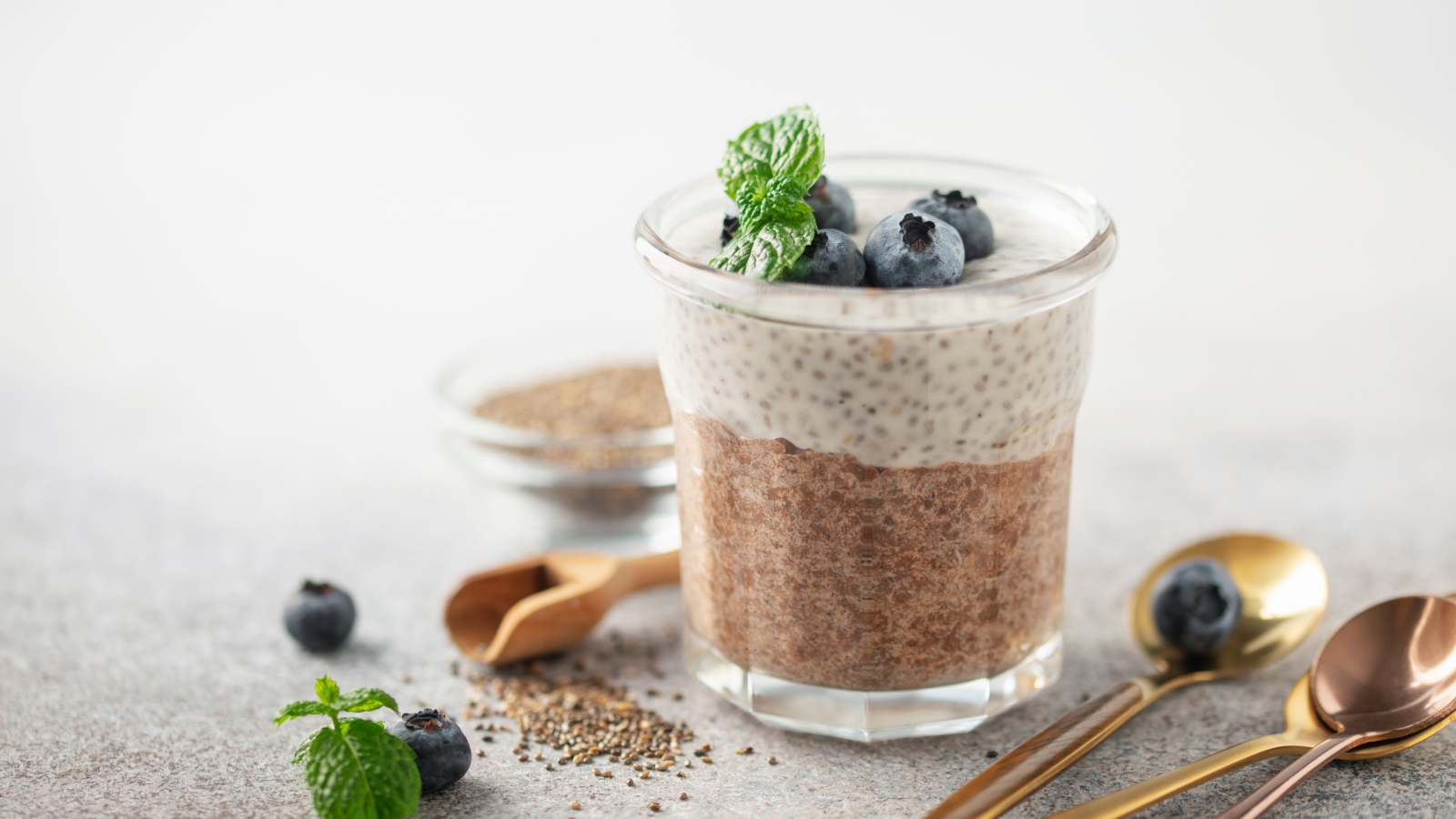
Start by focusing on simple, gluten-free food. Naturally gluten-free grains, such as quinoa, chia seeds, buckwheat, millet and brown rice, form the foundation of a balanced gluten-free plate. These grains often deliver essential nutrients, including fibre, B vitamins, and minerals, without relying on processed alternatives. Choosing locally sourced or ethically produced options supports sustainable agriculture, which benefits your health and the environment.
A useful starting point might be:
- Visiting local farmers’ markets: Speak to growers directly about their growing practices and find gluten-free wholegrains that suit your tastes.
- Exploring specialist health food stores: Many stock gluten-free flour, pasta and breakfast cereals made from responsibly sourced ingredients.
- Checking online resources: Credible health organisations, registered dietitians, and sustainability-focused platforms often maintain lists of recommended suppliers or brands.
As you become more familiar with shopping for gluten-free staples, you can refine your choices. Opting for certified gluten-free products ensures they have passed stringent testing. Additionally, reading labels carefully helps you avoid hidden gluten sources and keep your diet as wholesome and planet-friendly as possible.
How can I adapt my cooking habits?
Shifting to gluten-free cooking does not mean giving up your favourite meals. Instead, think creatively about substitutions. For instance, swap standard wheat-based pasta for lentils or chickpeas or experiment with polenta to thicken soups and stews. By making these small changes, you can still enjoy dishes you love while giving your gut the care it deserves.
Practical approaches include:
- Exploring new textures: Quinoa flakes or buckwheat groats can introduce interesting textures to breakfast bowls.
- Embracing diverse cuisines: Many traditional food cultures feature naturally gluten-free staples. For example, Mexican cooking highlights corn tortillas, while Indian and Middle Eastern cuisines often rely on rice, grains and pulses.
- Experimenting with gluten-free flours: Almond, coconut and teff flours open doors to new baking adventures. Following established recipes can help you master these ingredients and ensure consistent results.
Balance remains key. Aim to include a mix of protein sources, healthy fats, vegetables and fruits to support gut health and overall vitality. Building a colourful plate not only looks appealing but also ensures you receive a broad spectrum of nutrients. As you refine your technique, you will develop confidence in your ability to adapt dishes to your unique dietary needs.
These changes can take time to happen. Gradually introduce new foods, keep a record of which meals leave you feeling your best, and celebrate the small successes along the way. In time, you will find that a gluten-free lifestyle can still be richly varied and deeply satisfying, reflecting your individual taste preferences while nurturing your digestion.
Medical Disclaimer:
Food supplements should not be used as a substitute for a varied and balanced diet and are not intended to diagnose, treat, cure or prevent any ailments.
This website contains general information about food supplements. The information is not advice and should not be treated as such. All content, including text, graphics, images and information available through this website, is for general information purposes only. bodykind makes no representation and assumes no responsibility for the accuracy of the information available through this website, and such information is subject to change without notice.
bodykind does not recommend, endorse or make any representation about the efficacy, appropriateness or suitability of any specific tests, products, procedures, treatments or other information that may be contained on or available through this website.
You must not rely on the information on this website as an alternative to medical advice from your doctor or other professional healthcare providers. You should consult your doctor or other professional healthcare providers if you have any specific questions about any medical matter. You should seek immediate medical attention if you think you may be suffering from any medical condition. You should never delay seeking medical advice, disregard medical advice, or discontinue medical treatment because of information on this website.

Comments are closed here.