How Your Supplements Can Support You and the Planet
In this article we pause and think about where our vitamins come from, how they’re made, and what happens to the packaging when we’re done.

Contents
- What if my supplements could do more than just support my health?
- What’s really in my supplement—and why does it matter?
- Who made your supplement—and do they actually care?
- Once the pot’s empty, what happens next?
- What would my supplement routine look like if it supported both my wellbeing and the world around me?
What if my supplements could do more than just support my health?
Let’s be honest—most of us have a supplement routine that runs like clockwork. Maybe you’ve got a neat little line-up by the kettle, or a colourful weekly pill organiser that feels oddly satisfying to fill. You pop your multivitamin, your omega-3, maybe a probiotic if you’re feeling fancy… and off you go. Job done, right?
Well, sort of.
Because while we’re all out here trying to feel better, sleep deeper, think clearer, and keep our guts from staging a full-blown protest—there’s another layer we rarely talk about: how those supplements came to be.
Where were the ingredients grown? Who harvested them? How were they processed, packaged, shipped, shelved? And—here’s the kicker—what impact did that whole journey have on the planet?
That tiny capsule you take each morning? It might carry more weight than you think.
How many of us pause to think about where our vitamins come from?
We’re in this golden era of wellness. The shelves are stacked. The claims are shiny. But dig a little deeper, and you’ll find that not all supplements are created equal—not in terms of quality, and definitely not when it comes to sustainability.
Some brands take shortcuts. Cheap fillers. Excess plastic. Zero transparency on sourcing. Others go above and beyond—working with small organic farms, avoiding unnecessary processing, and using packaging that doesn’t end up as ocean confetti.
And the difference? It’s not just environmental. It’s personal.
Nutrients grown in healthy soil tend to contain more nutrients. Ethical sourcing often means better quality control. Low-impact production tends to preserve more of the active compounds your body actually needs. So, yes—it matters. A lot.
But this isn’t about guilt-tripping you into composting your supplements or knitting your own capsules (tempting, but no). It’s about awareness. Curiosity. That tiny shift in mindset that asks: Could this routine support something bigger than just me?
And once you start asking that—well, things get interesting.
We’re going to take a look at what sustainable supplementation really means. Not in some high-and-mighty, zero-waste-or-bust kind of way—but in the real, human way. The “I just want to feel good and do some good at the same time” kind of way.
Because yes, your daily habits can make a difference. Not all at once. Not perfectly. But consistently, quietly, and meaningfully.
That’s the sweet spot. And trust me, once you find it, you’ll never look at your supplement shelf the same way again.
What’s really in my supplement—and why does it matter?
Let’s talk labels.
You know the ones—tiny fonts, vague ingredient names, and more E-numbers than you’d find in a bag of retro sweets. It’s all a bit of a blur, isn’t it? One minute you’re buying a multivitamin because it promises to boost your immune system, the next you’re squinting at the back of the bottle wondering what on earth “magnesium stearate” is and why it’s in there.
Here’s the thing: what goes into your supplement has a knock-on effect. On your health, yes—but also on the planet.
Not all nutrients are created equal. Some are extracted in harsh chemical processes that generate waste and strip away beneficial compounds. Others are wholefood-based—grown in real soil, gently dried, and kept as close to their natural state as possible. Your body can often tell the difference. So can the environment.

Are synthetic fillers and chemical extras just unnecessary baggage—for you and the planet?
Let’s break it down.
Many mainstream supplements are padded out with fillers, binders, anti-caking agents—stuff that doesn’t actually do anything for you, but makes manufacturing cheaper or capsules easier to produce. We’re talking:
- Titanium dioxide (a whitening agent that’s under scrutiny)
- Hydrogenated oils
- Artificial colours or preservatives
- Gelatine from non-transparent sources
Now, individually, these aren’t always harmful. But they do add up—and more importantly, they often come with a heavier environmental footprint. Petrochemical derivatives, factory farming by-products, unsustainable palm oil. It’s not exactly the wellness dream.
Meanwhile, brands leading the charge in sustainability are doing things differently.
Together Health, for example, opts for ingredients in their most natural form—like food-based vitamin C from citrus pulp, taken from whole oranges and lemons. There’s a purity to it that feels honest. You’re not swallowing a science experiment—you’re absorbing real nutrients from real food.
Viridian Nutrition takes it further. No binders. No fillers. No nonsense. They even break down the exact source of each ingredient on their packaging—because transparency shouldn’t be a luxury.
Then there’s Fushi, who blend herbal traditions with modern extraction methods, all while keeping things organic, cold-pressed and conscious. Their oils and supplements feel like they’ve been made with care, not churned out of a lab.
You can almost taste the difference. Okay, maybe not literally (unless you’ve ever braved a liquid herb tonic), but there’s something that feels inherently cleaner, simpler, more aligned.
And here’s the kicker—your body notices.
Wholefood nutrients often come with their natural co-factors intact, making them easier to absorb. That means you could end up needing less to feel the same benefits. And when your supplement works, there’s less temptation to double up, waste money, or chase the next quick fix.
So yes, ingredients matter. Not just because they’re “natural” (a word that gets thrown around far too loosely), but because they reflect an entire philosophy—one that respects your body and the world it lives in.
And once you start checking that label? You’ll never look at “magnesium stearate” the same way again.
Who made your supplement—and do they actually care?
Let’s zoom out for a second.
You know when you bite into something homemade—like a slow-cooked stew or a proper loaf of sourdough—and you know someone put love into it? Supplements can be like that, too. Honestly. You can feel the difference between something made with intention, and something churned out for profit.
Because behind every capsule, powder, or bottle on the shelf, there’s a company making decisions. And those decisions say a lot. About how they treat their suppliers. How they source their ingredients. How they value the land. How much they care about you.
It’s easy to be swayed by a green label or a “natural” sticker. But the real test? Look at the brand’s values. If they care about the planet, they probably care about the quality of what you’re putting in your body, too.
Is the brand behind the capsule doing more than talking the talk—are they walking it too?
Take Viridian Nutrition. They don’t just tick boxes—they set the standard. Every product is non-GM, ethically sourced, and manufactured in the UK with full traceability. Their charity donation programme isn’t a flashy side note—it’s baked into their business model. Over 40% of their range is certified organic, and they work only with suppliers who meet strict environmental and ethical criteria. No shortcuts. No sleight of hand.
And if that weren’t enough? They’ve got a “clean label” policy that breaks down every single ingredient. So there’s no mystery powder, no ambiguous ‘natural flavourings’. Just full transparency. Which, let’s be honest, is pretty refreshing.
Does the company give back to the land, or take what it needs and move on?
This is where it gets interesting.
Because truly sustainable brands don’t just avoid harm—they give back. Together Health are known for their low-impact production methods, but also their commitment to regenerative practices. They work with growers who use minimal intervention, meaning fewer pesticides, more biodiversity, and healthier soil. They’re not just taking—they’re preserving.
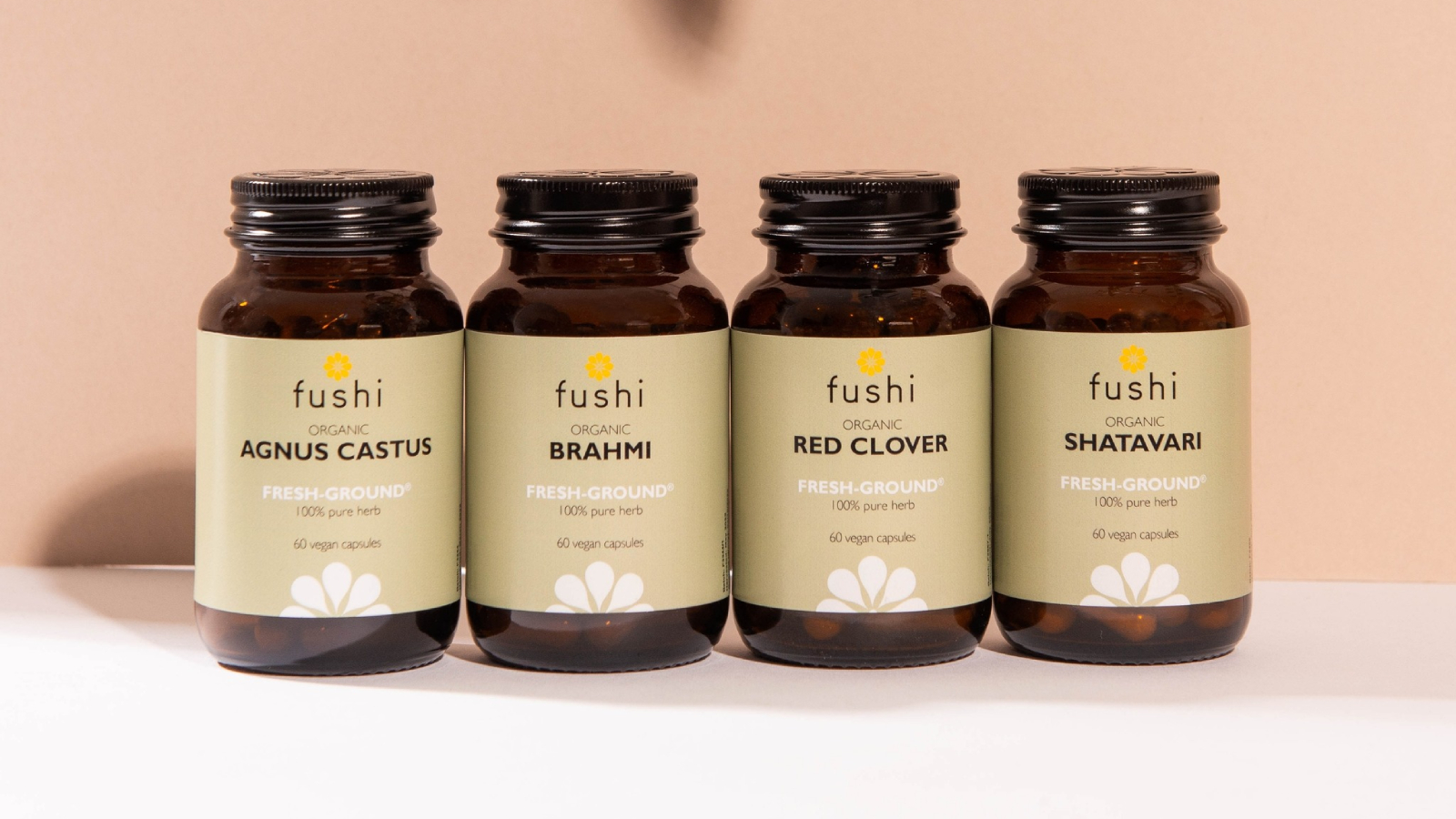
Then there’s Fushi, whose approach feels almost sacred. They source directly from small family farms, many of which use traditional, time-honoured methods passed down through generations. It’s slow, intentional, and rooted in respect. Every oil, herb, or extract they produce carries that story—and when you use them, you become part of it.
And it’s this, really, that sets sustainable supplement brands apart. Not just what they sell, but how they sell it. Their relationships with farmers. Their supply chains. Their ethics. Their refusal to compromise, even when it would be easier—or cheaper—to do so.
Because when a company builds its values around care, integrity, and the bigger picture, you can feel it. You’re not just buying a product. You’re casting a vote. You’re saying, “Yes, I want to support something better.”
And while that might sound lofty, it starts small. One choice. One jar. One conscious moment. That’s how real change begins—quietly, intentionally, and from the inside out.
Once the pot’s empty, what happens next?
You’ve taken the last capsule. Maybe you give the tub a little shake—just in case one’s hiding. But nope. All gone. So, what now?
Does it go in the recycling bin? The general waste? The back of the cupboard for the next two years while you tell yourself you’ll “reuse it for something”?
It’s easy to overlook the afterlife of our supplements. We think about what’s in them, sure—but what about the packaging they came in? The sad truth is that a huge amount of supplement packaging still ends up in landfill. And most of it? Not even necessary in the first place.
Can my supplement routine avoid the recycling bin altogether?
Let’s be honest—recycling isn’t the silver bullet we hoped it would be. Especially when it comes to small-format plastics, mixed materials, or overly branded tubs that can’t be processed by local facilities. Even if you do everything “right”, there’s no guarantee it won’t end up shipped across the world, or worse, incinerated.
Which is where sustainable supplement brands are stepping in.
Together Health, for example, skips the hard plastic entirely. Their pouches are not just recyclable—they’re plastic-free. Made from plant-based materials, they break down naturally without leaving microplastics behind. They’re light, compact, and low-impact from start to finish. You could almost call them guilt-free.
Viridian Nutrition opts for glass jars with metal lids—fully recyclable, infinitely reusable, and a dream for anyone who loves a good storage hack. Fill them with spices. Craft supplies. That drawer full of random screws and batteries. (We’ve all got one.)
And Fushi? They package their oils and herbal blends in beautiful amber glass bottles—chosen not just for aesthetics, but for protecting the delicate contents inside. They feel like something you’d want to reuse, not chuck in the bin. And that alone shifts the whole mindset, doesn’t it?
Because when packaging is designed with a second life in mind, it changes how we relate to it. We’re less likely to treat it as disposable. More likely to value it. Respect it. Keep it out of the waste stream entirely.
And here’s the thing—sustainable packaging isn’t just about materials. It’s about scale. Lighter, more compact pouches or refill options reduce emissions in transport. Brands choosing to avoid glossy, ink-heavy designs or plastic shrink-wrap are cutting down on unnecessary energy use and chemical processing.
It’s the little things, stacking up.
So maybe next time you’re choosing a supplement, you flip it over and check what it’s wrapped in. Not just what’s inside, but how it’s delivered. And maybe—just maybe—that empty jar becomes your new favourite place to stash loose tea, buttons, or that rogue collection of elastic bands.
Small win for you. Big win for the planet.
What would my supplement routine look like if it supported both my wellbeing and the world around me?
Imagine opening your cupboard tomorrow morning and seeing more than just a row of plastic tubs and glass bottles. Imagine seeing a quiet revolution. A daily ritual that doesn’t just serve you—but also honours the soil it came from, the people who harvested it, and the planet it’s returning to.
That’s the beauty of sustainable supplementation. It’s subtle. It doesn’t shout. It doesn’t need to.
Because when you start buying from brands that actually walk the talk—brands like Fushi, Viridian Nutrition, and Together Health—something shifts. The transaction becomes a connection. You’re not just fuelling your body; you’re fuelling change. Small, steady, and rooted in something deeper than the latest wellness buzzword.
And let’s be real—it feels good. Not in a smug, “look at me saving the world” way, but in that quiet, inner-knowing kind of way. The kind that makes you pause for a moment, pop that capsule, and smile. Because this? This is health with heart.
Isn’t it kind of empowering to know my daily habits can actually help, not harm?
We live in a time where so much feels out of our control. Climate anxiety. Plastic pollution. Soil degradation. It’s heavy stuff. But you don’t need to overhaul your entire life or move to an eco-village to make an impact.
You just need to start small. Thoughtfully. Consistently.
And what better place than your supplement routine? It’s already part of your life. It’s already something you do—daily, without thinking. All it takes is a tiny shift in intention. A curiosity. A conscious choice to support the companies doing things better.
Because better does exist.
Better is Together Health using compostable pouches instead of single-use plastic.
Better is Viridian building fairness and charity into their business model.
Better is Fushi tracing each herb back to the hands that grew it, with reverence and care.
Better is available to you, right now.
So here’s the gentle nudge: let your supplements do more than top up your vitamin D or support your digestion. Let them be a vote. A whisper of what you stand for. A reminder that health doesn’t end at your own body—it’s interconnected, always.
And maybe, just maybe, that capsule in your palm isn’t small at all.
It’s a seed. And you’re planting it—with every choice you make.
Medical Disclaimer:
Food supplements should not be used as a substitute for a varied and balanced diet and are not intended to diagnose, treat, cure or prevent any ailments.
This website contains general information about food supplements. The information is not advice and should not be treated as such. All content, including text, graphics, images and information available through this website, is for general information purposes only. bodykind makes no representation and assumes no responsibility for the accuracy of the information available through this website, and such information is subject to change without notice.
bodykind does not recommend, endorse or make any representation about the efficacy, appropriateness or suitability of any specific tests, products, procedures, treatments or other information that may be contained on or available through this website.
You must not rely on the information on this website as an alternative to medical advice from your doctor or other professional healthcare providers. You should consult your doctor or other professional healthcare providers if you have any specific questions about any medical matter. You should seek immediate medical attention if you think you may be suffering from any medical condition. You should never delay seeking medical advice, disregard medical advice, or discontinue medical treatment because of information on this website.

Comments are closed here.