The Top 10 Foods to Naturally Boost Your Immune System
Join us as we discover the top 10 foods that can naturally boost your immunity. Learn how adding these nutrient-rich foods to your diet strengthens your body’s defences.

Contents
How does food impact my immune system?
Your immune system is your body’s natural defence mechanism, tirelessly working to protect you from infections and diseases. While you might focus on handwashing and avoiding those who are sick, the foods you consume play a pivotal role in supporting this vital system. Nutrients from your diet provide the building blocks your immune cells need to function effectively. Have you wondered how a simple piece of fruit or a handful of nuts could fortify your body’s defences?
Understanding the connection between diet and immunity isn’t just for nutritionists or health enthusiasts. It’s a practical approach that everyone can adopt to enhance overall wellbeing. By paying attention to what you eat, you can significantly impact how your immune system performs.
What simple changes could boost my immunity?
Imagine feeling more resilient during flu season or recovering faster when you do catch a cold. Incorporating specific foods into your daily meals can make this a reality. You don’t need to overhaul your entire diet or rely on exotic ingredients. Common foods readily available at your local supermarket are often the key to strengthening your immune response.
Consider adding vitamin-rich citrus fruits to your breakfast or snacking on antioxidant-packed berries. How about including leafy greens in your lunch and spices like turmeric and ginger in your dinner? These simple dietary adjustments can provide your body with essential nutrients that support immune function.
By embracing these changes, you’re enhancing your immunity and promoting sustainable food choices. Many immune-boosting foods are plant-based and require fewer resources to produce, aligning with eco-friendly living. So, are you ready to explore how your diet can be a powerful tool in boosting your immune health?
How does my immune system protect me from illness?
Your immune system is an intricate network of cells, tissues and organs designed to defend your body against harmful invaders like bacteria, viruses and other pathogens. It acts as your personal bodyguard, tirelessly working to keep you healthy and safe.
At the core of this defence mechanism are two main strategies:
- Innate Immunity: This is your first line of defence. It includes physical barriers like your skin and mucous membranes, which block pathogens from entering your body. If invaders do get in, innate immunity utilises white blood cells such as neutrophils and macrophages to attack anything unfamiliar.
- Adaptive Immunity: If a pathogen bypasses your innate defences, adaptive immunity kicks in. This system tailors its response to specific threats. Lymphocytes, namely B cells and T cells, recognise and remember specific pathogens. When exposed to the same threat again, your body responds more efficiently, often neutralising the invader before you even feel ill.
Key players in your immune system include:
- White Blood Cells (Leukocytes): These circulate in your blood and tissues, constantly on the lookout for signs of disease.
- Antibodies: Produced by B cells, antibodies latch onto antigens on the surface of pathogens, marking them for destruction.
- The Complement System: A group of proteins that assist antibodies and phagocytic cells in clearing microbes.
By recognising what belongs in your body and what doesn’t, your immune system orchestrates a coordinated response to eliminate threats. It’s a complex and highly effective system that operates without you even noticing—until it’s compromised.
Why is it essential to support my immunity through nutrition?
Supporting your immune system through nutrition is crucial because the strength and efficiency of your immune response largely depend on your dietary choices. Nutrients from the foods you eat serve as the building blocks for immune cells and antibodies.
Here’s why nutrition matters:
- Energy Supply: Immune responses require energy. A well-nourished body has the calories needed to power these defences.
- Micronutrient Availability: Vitamins and minerals like vitamin C, vitamin D, zinc and selenium are essential for immune function. They aid in the production and activity of immune cells.
- Antioxidant Protection: Nutrients with antioxidant properties protect your cells from damage caused by free radicals during an immune response.
Poor nutrition can lead to a weakened immune system, making you more susceptible to infections and slowing down your recovery when you do fall ill. On the other hand, a balanced diet rich in immune-supporting nutrients can:
- Enhance your body’s natural defences, reducing the risk of illness.
- Speed up recovery times, helping you get back on your feet faster.
- Improve overall health, contributing to better energy levels and wellbeing.
By consciously choosing foods that bolster your immunity, you’re not just feeding yourself; you’re empowering your body to fight off illnesses more effectively.
Which nutrients are essential for a strong immune response?
Understanding the key nutrients that bolster your immune system can empower you to make better dietary choices. Vitamins, minerals and other compounds play specific roles in maintaining and enhancing your body’s defences. Here are some essential nutrients to focus on:
- Vitamin C: Perhaps the most well-known immune booster, vitamin C increases the production of white blood cells, which are vital for fighting infections.
- Vitamin D: This vitamin modulates immune responses and has anti-inflammatory properties. It’s crucial for activating immune defences.
- Zinc: An essential mineral that helps develop and activate T-lymphocytes (T-cells), which control and regulate immune responses.
- Vitamin E: A powerful antioxidant that helps combat free radicals, supporting immune cell function.
- Selenium: This mineral enhances immunity by promoting the production of cytokines, proteins that help clear viruses.
- Omega-3 Fatty Acids: Found in fatty fish, these acids reduce inflammation and strengthen immune function.
- Protein: Essential for building and repairing body tissues, including immune cells and antibodies.
- Iron: Supports the growth and maturation of immune cells, particularly lymphocytes.
Ensuring you get enough of these nutrients provides your immune system with the tools it needs to function optimally.
What are the top 10 foods for a strong immune system?
Boosting your immune system doesn’t have to be a daunting task. Incorporating certain foods into your daily diet can make a significant difference. Here are the top 10 foods known for their immune-enhancing properties:
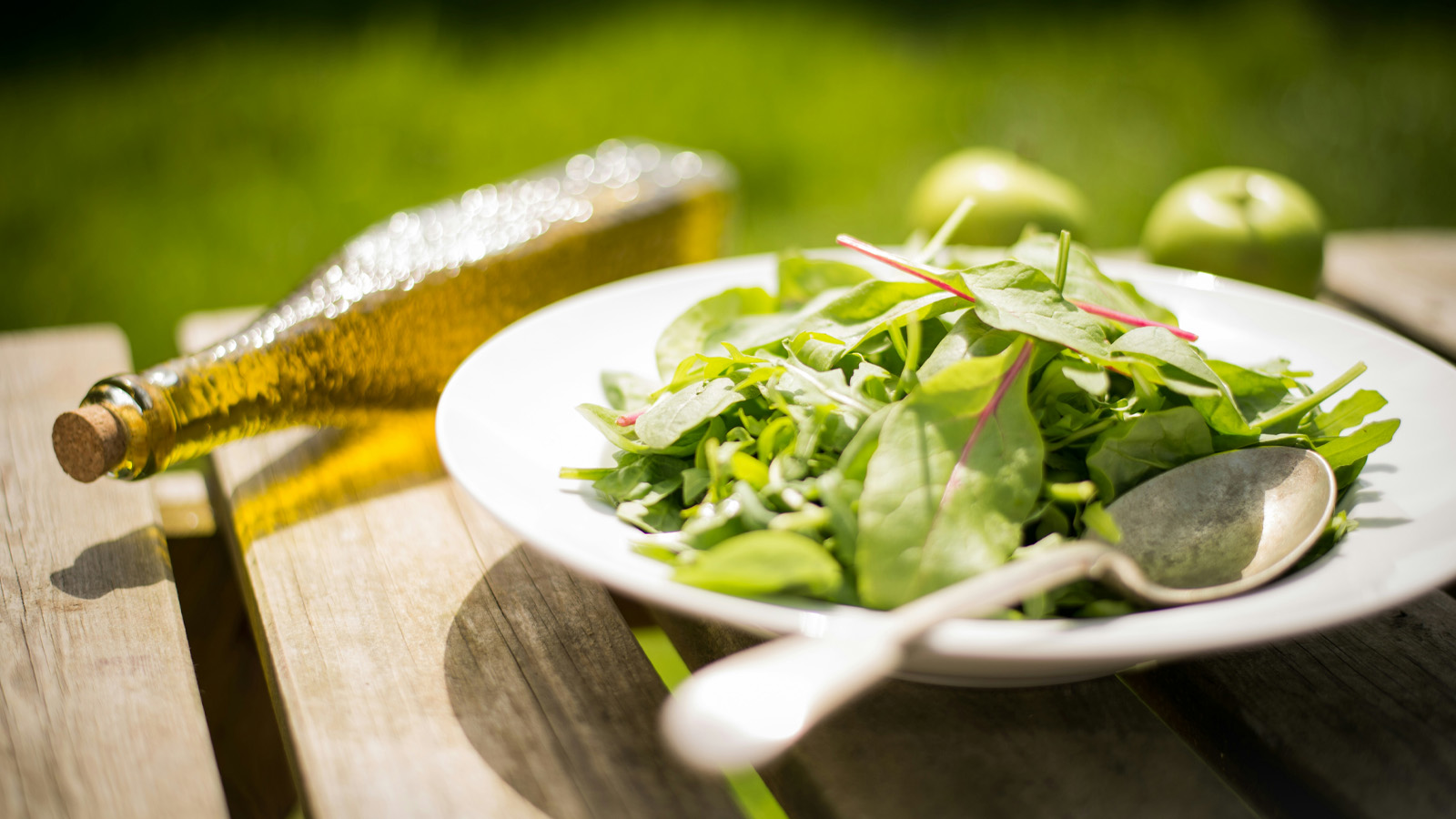
1. Leafy Greens
Leafy greens like Spinach and Kale are not only rich in vitamin C but also packed with numerous antioxidants and beta-carotene. These nutrients enhance the infection-fighting ability of your immune system. Leafy greens also contains folate, which helps the body produce new cells.
Additional benefits:
- Provides magnesium: Essential for muscle and nerve function.
- Rich in iron: Supports healthy blood cells.
How to include it:
- Stir into soups and stews.
- Use fresh leaves in salads.
- Add to smoothies.
2. Garlic
Garlic contains allicin, which has antimicrobial properties. Allicin is released when garlic is crushed or chewed, enhancing the response of white blood cells to viruses.
Additional benefits:
- Reduces blood pressure: May help lower blood pressure levels.
- Anti-inflammatory effects: Can reduce inflammation in the body.
How to include it:
- Crush fresh garlic and let it sit before cooking.
- Use as a base in sauces and stews.
- Roast whole cloves for a milder flavour.
3. Ginger
Ginger is rich in gingerol, a bioactive compound with antioxidant and anti-inflammatory effects. It may help decrease inflammation, which can improve immune function. Ginger also has antimicrobial properties that can inhibit the growth of certain bacteria and viruses.
Additional benefits:
- Relieves nausea: Effective against nausea and upset stomachs.
- Reduces muscle pain: Anti-inflammatory properties alleviate soreness.
How to include it:
- Brew ginger tea with fresh slices.
- Add grated ginger to stir-fries.
- Incorporate into smoothies.
4. Turmeric
Turmeric contains curcumin, a compound with strong anti-inflammatory effects. Curcumin enhances immune function by activating certain immune cells and reducing pro-inflammatory cytokines.
Additional benefits:
- Improves brain function: May increase brain-derived neurotrophic factor.
- Antioxidant properties: Protects against oxidative stress.
How to include it:
- Add to curries and stews.
- Sprinkle into rice dishes.
- Mix with warm plant based milk to make golden milk.
5. Green Tea
Green tea is rich in flavonoids and polyphenols, antioxidants that enhance immune function. It contains epigallocatechin gallate (EGCG), which has been shown to improve immune responses.
Additional benefits:
- Supports weight management: May boost metabolic rate.
- Promotes heart health: Linked to lower cholesterol.
How to include it:
- Drink freshly brewed hot or iced.
- Add lemon to enhance antioxidant absorption.
- Use as a base for smoothies.

6. Fermented Foods
Fermented foods like sauerkraut, kefir, kimchi and some yoghurts have live and active friendly bacteria that stimulate your immune system to help fight diseases. These probiotics balance the gut microbiome, which plays a significant role in immunity. These foods are also rich in other nutrients, like vitamin C and vitamin D, which strengthen immune responses.
Additional benefits:
- Supports digestive health: Promotes healthy digestion.
- Reduced anti-nutrients: Fermentation removes anti-nutrients, which makes certain nutrients more available.
How to include them:
- Add sauerkraut or kimchi to main meals, they work wonderfully with meat dishes.
- Enjoy kefir as a morning staple with fruit and honey.
- Use live yoghurt as a base for smoothies.
7. Almonds
Almonds are rich in vitamin E, a powerful antioxidant that helps your body fight off invading bacteria and viruses. Vitamin E is fat-soluble, requiring fat for proper absorption, and almonds provide both.
Additional benefits:
- Provides healthy fats: Supports heart health.
- Contains fibre: Aids digestion.
How to include them:
- Snack on raw or roasted almonds.
- Add to oatmeal or yoghurt.
- Use almond butter in snacks.
8. Broccoli
Broccoli is a nutritional powerhouse loaded with vitamins A, C and E, as well as fibre and antioxidants. Sulforaphane, a compound in broccoli, may enhance immune function by stimulating protective enzymes.
Additional benefits:
- Supports detoxification: Aids the body’s natural detox processes.
- Promotes gut health: Fibre content supports a healthy digestive system.
How to include it:
- Steam lightly to preserve nutrients.
- Add raw florets to salads.
- Blend into soups for a creamy texture.
9. Red Peppers
Red peppers contain twice as much vitamin C as citrus fruits. They are also rich in beta-carotene, which the body converts into vitamin A. Vitamin A is crucial for maintaining healthy mucous membranes, your body’s first line of defence against pathogens.
Additional benefits:
- Supports eye health: Beta-carotene promotes good vision.
- Provides antioxidants: Helps reduce inflammation.
How to include them:
- Slice them raw for a crunchy snack with hummus.
- Roast them to bring out their natural sweetness.
- Incorporate them into stir-fries and pasta dishes.
10. Citrus Fruits
Citrus fruits like oranges, lemons, grapefruits and limes are renowned for their high vitamin C content. Vitamin C is a potent antioxidant that helps protect your cells from harmful free radicals. It also boosts the production of white blood cells, which are essential for fighting infections.
Additional benefits:
- Enhances skin health: Vitamin C is vital for collagen synthesis, maintaining the skin’s integrity as a barrier against pathogens.
- Improves iron absorption: Increases the bioavailability of non-heme iron from plant-based foods.
How to include them:
- Start your day with a glass of warm lemon water.
- Add orange segments to your salads for a zesty twist.
- Snack on mandarins or grapefruit slices between meals.
By incorporating these nutrient-dense foods into your diet, you can naturally enhance your immune system’s ability to fight off illnesses. Each food brings unique benefits, contributing to a well-rounded defence against pathogens. So, consider adding these items to your shopping list and enjoy the delicious journey to better health.
Medical Disclaimer:
Food supplements should not be used as a substitute for a varied and balanced diet and are not intended to diagnose, treat, cure or prevent any ailments.
This website contains general information about food supplements. The information is not advice and should not be treated as such. All content, including text, graphics, images and information available through this website, is for general information purposes only. bodykind makes no representation and assumes no responsibility for the accuracy of the information available through this website, and such information is subject to change without notice.
bodykind does not recommend, endorse or make any representation about the efficacy, appropriateness or suitability of any specific tests, products, procedures, treatments or other information that may be contained on or available through this website.
You must not rely on the information on this website as an alternative to medical advice from your doctor or other professional healthcare providers. You should consult your doctor or other professional healthcare providers if you have any specific questions about any medical matter. You should seek immediate medical attention if you think you may be suffering from any medical condition. You should never delay seeking medical advice, disregard medical advice, or discontinue medical treatment because of information on this website.

Comments are closed here.