The Vitamin C Essentials: Your ultimate guide
In our comprehensive guide, learn how vitamin C, the superhero nutrient, can transform your health, boost your skin’s radiance and fortify your immune system.
Contents
What is vitamin C?
Vitamin C, or ascorbic acid, is a powerhouse nutrient your body cannot do without.
It is an essential vitamin, meaning your body can’t make it, and as it’s water-soluble, your body can’t store it either. Every time you urinate, you lose a little vitamin C. Therefore, you must consume vitamin C regularly through your diet or a supplement to reap its many benefits.
A vital nutrient for your overall health, vitamin C contributes to numerous bodily functions, from supporting your immune system to promoting skin health.
Most people get enough vitamin C from a healthy diet, and vitamin C deficiency is very rare in the UK.
Why do you need vitamin C?
Vitamin C is essential for your body to maintain good health. It’s involved in many of your body’s functions. Here’s why you need it:
- A powerful antioxidant: Vitamin C is a natural, potent antioxidant. Antioxidants help protect your cells against the effects of free radicals. Free radicals are unstable molecules that can cause oxidative stress, leading to chronic diseases and premature ageing.
- Boost your immunity: It’s widely known that vitamin C is the go-to nutrient for immune support, making it one of the most popular supplements in the world. Vitamin C encourages the production of white blood cells known as lymphocytes and phagocytes, which help protect your body against infections. It also helps these white blood cells function more effectively and protects them from harmful molecules such as free radicals.
- Help you absorb iron: Iron is essential for making red blood cells and transporting oxygen throughout your body. Vitamin C helps you absorb iron more easily, which is especially useful if you follow a meat-free diet, as meat is a major source of iron. Vitamin C may help improve your blood iron levels and reduce the risk of anaemia.
- Reduce tiredness and fatigue: Your body needs vitamin C to convert the food and drink you consume into energy efficiently. It also helps you absorb other vitamins and minerals too.
- Support your teeth and gum health: Your gums, bones, skin and teeth are held together by connective fibres mainly consisting of collagen. Connective fibres keep the tissues and blood vessels strong to anchor your teeth into your gums, so a steady supply of collagen is essential. Vitamin C is vital for collagen production. If you don’t get enough vitamin C, your gums can become weak and more prone to disease.
- Enhance your skin health: Your body’s natural collagen production slows as you age, leading to wrinkles and sagging skin. Vitamin C promotes collagen production, helping keep your skin firm, reducing wrinkles and improving your overall skin texture.
Given these vital roles, ensuring you get enough vitamin C through your diet or supplements is central to maintaining good health. From boosting your immune system to keeping your skin glowing, the benefits of vitamin C are too significant to overlook.
How much vitamin C do you actually need?
Your body cannot produce or store vitamin C, so you must consume it daily. The NHS recommends that adults between 19 and 64 consume 40mg of vitamin C daily.
Vitamin C deficiency in the UK is very rare, and you should be able to get all the vitamin C you need from a healthy, balanced diet. However, low levels of vitamin C aren’t uncommon, especially if you don’t eat many fruits and vegetables. You may need a supplement if you don’t meet your five-a-day target regularly.
Symptoms of vitamin C deficiency go away quickly with sufficient intake, whether you achieve that through diet or supplementation.
What are the signs of vitamin C deficiency?
Vitamin C deficiency in the UK is rare as you should be able to get all the vitamin C you need from your diet.
But, how can you be sure you’re getting enough? It can be hard to know, especially if you smoke, as this affects how your body absorbs vitamin C. The best way to get enough vitamin C is to eat a healthy, balanced diet with plenty of fruit and vegetables.
Severe vitamin C deficiency, also known as scurvy, arises from insufficient vitamin C intake over a long period.
Symptoms of scurvy may include:
- Poor gum health: Swollen, bleeding gums and loose teeth due to weakened connective tissues are often the first signs of scurvy.
- Skin changes: Bruising easily, small red or blue spots on your skin, dry skin or wounds that don’t heal quickly are other early signs.
- Hair changes: Dry or brittle hair or hair that coils like a corkscrew.
- Joint and bone issues: Joint pain, swelling, muscle or leg pain.
- General symptoms: Feeling tired and weak all the time, unexplained weight loss and feeling irritable and sad all the time.
If you’re worried you may have a vitamin C deficiency, you should speak to your GP or healthcare provider for advice and treatment.
Mild cases of scurvy are often easily treated by adding some vitamin C to your diet or by taking a vitamin C (ascorbic acid) supplement. Most people treated for scurvy feel better quickly and make a full recovery.
What are the best vitamin C food sources?
The beauty of nature is that it provides us with an abundance of vitamin C-rich foods, often brimming with additional health benefits. Here, we’ll explore these natural sources, ensuring you can easily integrate them into your meals for a vibrant health boost.

Fruits high in vitamin C
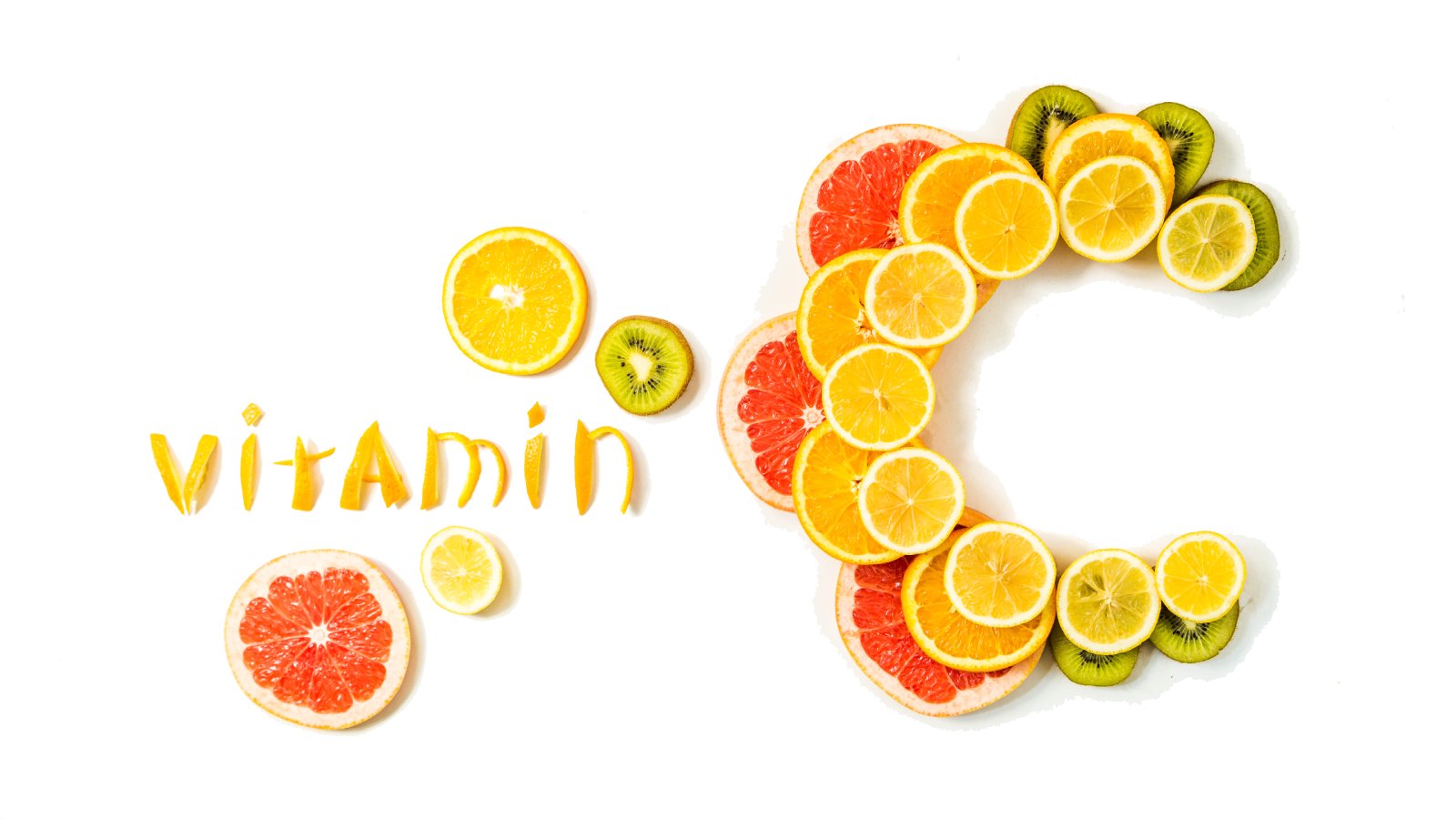
- Oranges and citrus fruits: Perhaps the most iconic sources, oranges, lemons, limes and grapefruits are refreshing and immensely rich in vitamin C. A single orange can provide over 70% of your recommended daily intake.
- Kiwi fruit: This small, fuzzy fruit is a powerhouse of nutrients, including vitamins C, K and E, plus potassium and fibre. Incorporating kiwi into your diet can significantly bolster your immune system.
- Strawberries: A delicious and healthful addition to any breakfast or snack, strawberries are bursting with flavour and vitamin C and high in antioxidants and fibre.
- Pineapple: Beyond its tropical taste, pineapple offers a wealth of vitamin C and manganese, a mineral essential for growth and metabolism.
Vegetables packed with vitamin C
- Bell peppers: Red, green and yellow bell peppers are colourful and packed with vitamin C, beta carotene and antioxidants. Red bell peppers contain almost three times as much vitamin C as an orange.
- Brussels sprouts and broccoli: These cruciferous vegetables are high in vitamin C and other nutrients, including fibre, iron and vitamin K. Adding them to your diet can benefit your health in numerous ways.
- Spinach, kale and leafy greens: Dark green leafy vegetables are excellent sources of vitamin C, iron and calcium. Enjoy in salads and smoothies or as a side dish.
Incorporating these foods into your daily meals
Adding these vitamin C-rich foods to your diet doesn’t have to be complicated. Here are some simple tips:
- Start your day with a fruit salad made of kiwi, strawberries, and oranges for a refreshing and nutritious breakfast.
- Snack on slices of bell peppers with hummus or add them to salads and stir-fries for a colourful, healthy meal.
- Incorporate dark leafy greens into your meals as much as possible, whether in a smoothie, as a side dish, or as part of your main course.
Remember, balance is vital in a healthy diet. Pair vitamin C-rich foods with a variety of other fruits, vegetables, whole grains and proteins to ensure you’re getting a comprehensive array of nutrients essential for your wellbeing.
Should you consider a vitamin C supplement?
Before you dive into the world of vitamin C supplements, there are several factors you should consider.
- Dietary intake: Are you consuming enough vitamin C-rich foods like oranges, kiwis, strawberries, bell peppers and broccoli? If your diet is varied and rich in these nutrients, supplementation might not be necessary.
- Health goals: Are you looking to support your immune system, improve skin health, or reduce the duration of colds? Vitamin C supplements can play a role in achieving these health goals.
- Lifestyle factors: Smokers and people exposed to secondhand smoke require more vitamin C. Stress, certain medical conditions, and environmental pollutants can also increase your body’s need for antioxidants.
Choosing the right supplement for you
If you’ve decided that a vitamin C supplement is right for you, here’s what to look for:
- Form: Vitamin C supplements come in various forms, including tablets, capsules, chewables, liquids and powders. Consider which form you’re most likely to take consistently.
- Dosage: The NHS recommends that adults between 19 and 64 consume 40mg of vitamin C daily. However, you may opt for higher doses for specific health benefits, although you shouldn’t exceed the upper limit of 2000mg per day to avoid adverse effects.
- Quality and purity: Opt for supplements from reputable brands such as Zooki and Altrient C that provide transparency about their sourcing and manufacturing processes. Look for products with minimal added fillers or artificial ingredients.
Remember, a supplement should enhance a healthy, balanced diet, not as a substitute for one.
Personal research paired with advice from healthcare professionals will guide you in making the choice that best aligns with your health objectives.
What are the different types of vitamin C supplements available?
There are many ways to supplement your vitamin C intake, from tablets, capsules, chewables and powders, to sprays, effervescent drinks, and liposomal liquids or gels.
Vitamin C, or ascorbic acid, comes in various forms, each with its own benefits. Here’s all you need to know:
- Ascorbic acid is the most common form of vitamin C, known for its high potency and availability. It may not be suitable if you have a sensitive stomach, as its acidic nature is known to trigger digestive discomfort.
- Mineral ascorbates such as sodium ascorbate, magnesium ascorbate, potassium ascorbate and calcium ascorbate, also known as buffered vitamin C. Mineral ascorbates are more digestible, less acidic options suitable for if you have a sensitive stomach.
- Liposomal vitamin C is encapsulated within liposomes to protect the vitamin C, for enhanced absorption and bioavailability.
- Bioflavonoids are powerful plant compounds often paired with vitamin C to enhance its antioxidant power.
- Effervescent vitamin C tablets dissolve quickly in water, leading to faster absorption and increased bioavailability. In addition to their nutritional benefits, effervescent tablets increase your liquid intake, keeping you hydrated.
- Time-release vitamin C supplements release the vitamin into your body gradually over several hours. This improves absorption and creates a more stable level of vitamin C in your blood for longer-lasting action.
- Ester-C is a non-acidic form of vitamin C that contains mainly calcium ascorbate, touted for its quick absorption and lasting presence in your immune system. It’s a gentler form of vitamin C, ideal if you have a sensitive stomach.
Understanding these varieties can help you tailor your supplement choice to your body’s needs and tolerance.
Generally, vitamin C is well tolerated, and any excess not used is excreted in urine. However, you shouldn’t exceed the upper limit of 2000mg daily to avoid adverse effects.
The emergence of liposomal vitamin C

Liposomal vitamin C has seen a rapid rise in popularity, but what exactly sets it apart from traditional vitamin C supplements? Is it really the superior choice for boosting your health?
What distinguishes liposomal vitamin C from traditional vitamin C supplements?
Liposomal vitamin C leverages cutting-edge technology to enhance the delivery and absorption of vitamin C into your body. Liposomal vitamin C is encapsulated within liposomes, tiny, nano-sized spheres made from phospholipids, the same material that makes up your cell membranes. This unique structure offers several benefits:
- Enhanced absorption: The liposomal encapsulation mimics your body’s cell structure so vitamin C can reach your cells more efficiently.
- Increased bioavailability: Thanks to its design, liposomal vitamin C bypasses the harsh environment of your digestive system, leading to higher levels of vitamin C in your bloodstream.
- Reduced gastrointestinal discomfort: High doses of traditional vitamin C can cause stomach upset or diarrhoea. The liposomal form minimises these side effects, making it easier on your digestive system.
The main benefits of opting for liposomal Vitamin C
- Immune system support: Vitamin C is renowned for its immune-boosting properties. By ensuring higher bioavailability, liposomal vitamin C can offer more robust support for your immune system.
- Antioxidant protection: Vitamin C is a powerful antioxidant. Liposomal vitamin C can neutralise free radicals more effectively, protecting your cells from damage and reducing your risk of chronic diseases.
- Supports collagen production: Essential for healthy skin, bones and blood vessels, collagen synthesis is significantly enhanced by vitamin C. Liposomal vitamin C, with its superior absorption, may support better collagen production.
- Enhanced energy levels: By more efficiently delivering vitamin C into your bloodstream, liposomal vitamin C can contribute to improved energy production at the cellular level.
To ensure the quality of liposomal vitamin C, choose reputable brands such as Altrient, Lipolife and Zooki.
Liposomal vitamin C offers a promising alternative to traditional vitamin C supplements, thanks to its enhanced absorption, bioavailability and reduced risk of gastrointestinal distress. Whether you’re looking to boost your immune system, protect against oxidative stress, or support your body’s collagen production, liposomal vitamin C is worth considering as part of your health regime. Remember, always consult with a healthcare professional before introducing any new supplement into your routine, especially if you have underlying health conditions or are taking medication.
Perfect partners for vitamin C

Vitamin C is a powerhouse nutrient on its own. However, combining vitamin C with other supplements can enhance how your body processes the nutrients that support your wellness.
Knowing which vitamins complement each other can help you get the maximum nutrition and benefit from your daily vitamin intake to optimise your wellness routine.
Vitamin C and iron
Iron is crucial to support the production of red blood cells and the transportation of oxygen throughout your body. However, iron absorption can be tricky, especially non-heme iron (from plant-based sources).
Here’s where vitamin C shines. Vitamin C transforms iron into a form that your body can easily absorb. So, to boost your iron levels, consider combining vitamin C-rich foods like strawberries or oranges with iron-rich foods like spinach or lentils.
Tip: Squeeze some lemon juice over your green salad. Not only does it add a zesty flavour, but it also increases the amount of iron your body absorbs during the meal.
Vitamin C and zinc
Zinc and vitamin C work well together to support your immune system. Vitamin C works as an antioxidant, while zinc has antioxidant-like properties. Together, they boost your immune system, improve your skin health, and support your bone and joint health.
Tip: Consider a supplement such as Igennus Liposomal Vitamin C & Zinc for optimal absorption and dual-action support in one daily dose.
Vitamins C and D
Vitamin D and C both play a pivotal role in your overall health and wellbeing, especially in supporting your immune system.
Vitamin D, often hailed as the “sunshine vitamin” is crucial for bone health, calcium absorption and immune function. Vitamin C is a potent antioxidant that also supports your immune health, aids in collagen production and enhances iron absorption. When these two vitamins work together they can significantly bolster your body’s defence mechanisms.
Tip: Check out Viridian Beta Glucan with Vitamins C, D & Zinc, a powerful combination of nutrients to support a healthy immune system. It contains 100% active ingredients, without artificial fillers or nasties. Plus it’s vegan-friendly and sourced according to Viridian’s strict ethical criteria including no animal testing.
Vitamins C and E
Both vitamin C and vitamin E are antioxidants that help protect your cells from oxidative stress. These vitamins are essential nutrients, meaning your body can’t make them and must get them from food.
When these two antioxidants join forces, they enhance each other’s effects. After vitamin E neutralises free radicals, vitamin C helps your body restore vitamin E levels, providing sustained protection. This tag team is particularly beneficial for maintaining healthy skin, reducing the visible signs of ageing and supporting your immune function.
Tip: Avocado toast with a squeeze of lime offers a delicious way to enjoy the benefits of both vitamins. Avocados are rich in vitamin E, and lime is an excellent source of vitamin C.
How safe is vitamin C?
Vitamin C is remarkably safe for most people when consumed in recommended amounts. The risk of consuming too much is low, as it is a water-soluble vitamin, and any excess is expelled through urine.
However, extremely high doses can lead to digestive disturbances like diarrhoea and nausea. Always aim for a balanced approach, incorporating a variety of vitamin C-rich foods into your diet, and consult with a healthcare professional before starting any new supplement regimen, especially if you have existing health conditions or are on medication.
The NHS recommends that adults between 19 and 64 consume 40mg of vitamin C daily and not to exceed 2,000mg a day. Sticking within these guidelines minimises your risk of adverse effects.
What about topical vitamin C?

With all the buzz around vitamin C’s benefits for your skin, you may wonder if it’s time to incorporate this potent antioxidant into your skin care routine.
The simple answer is yes, especially if you want a brighter, more even-toned complexion and are keen on protecting your skin against environmental stressors.
Topical vitamin C skin care can provide antioxidative benefits directly where you need them, helping to reduce signs of ageing and promote a radiant complexion.
lavera Glow by Nature Day Cream with Q10 and Vitamin C combines natural coenzyme Q10 with vitamin C to refresh your complexion for firmer, more radiant, beautiful skin.
Sukin Illuminating Eye Gel refreshes and illuminates your delicate eye area with antioxidant-rich green coffee and Kakadu plum.
Integrate vitamin C serums or creams into your skin care routine for a bright, even complexion. Apply in the morning to take advantage of its antioxidant properties against daytime environmental aggressors.
Vitamin C is key to unlocking a healthier, more vibrant version of yourself. Whether through your diet, supplements, or skin care, this essential nutrient can transform your health and wellbeing.
But remember, the most effective health strategy is a balanced, informed approach tailored to your unique needs.
Medical Disclaimer:
Food supplements should not be used as a substitute for a varied and balanced diet and are not intended to diagnose, treat, cure or prevent any ailments.
This website contains general information about food supplements. The information is not advice and should not be treated as such. All content, including text, graphics, images and information available through this website, is for general information purposes only. bodykind makes no representation and assumes no responsibility for the accuracy of the information available through this website, and such information is subject to change without notice.
bodykind does not recommend, endorse or make any representation about the efficacy, appropriateness or suitability of any specific tests, products, procedures, treatments or other information that may be contained on or available through this website.
You must not rely on the information on this website as an alternative to medical advice from your doctor or other professional healthcare providers. You should consult your doctor or other professional healthcare providers if you have any specific questions about any medical matter. You should seek immediate medical attention if you think you may be suffering from any medical condition. You should never delay seeking medical advice, disregard medical advice, or discontinue medical treatment because of information on this website.

Comments are closed here.