Planet-Friendly Diets: Veganuary’s environmental role
Join the Veganuary movement and see its powerful and positive impact on the planet. Learn how plant-based eating in January can shape a greener tomorrow.

Contents
- What is Veganuary, and why has it gained such popularity?
- Why is it important to consider the environmental impact of our dietary choices?
- How do meat and dairy production contribute to climate change?
- How does a vegan diet reduce my carbon footprint?
- What are the other environmental benefits of a vegan diet?
- Are there any case studies of regions where a shift to plant-based diets has made a measurable environmental difference?
- What challenges does a vegan diet pose from an environmental perspective?
- How can I make environmentally conscious choices within a vegan diet?
What is Veganuary, and why has it gained such popularity?
Have you ever wondered how a simple change in your diet for just one month could impact the planet? That’s exactly what Veganuary is all about. Veganuary, a portmanteau of ‘Vegan’ and ‘January’, is an annual challenge that encourages people around the globe to try a vegan diet for the month of January. But why has this movement captured the hearts and minds of so many?
The surge in Veganuary’s popularity can be attributed to several key factors:
- Health Consciousness: Individuals increasingly seek diets that promote wellbeing and longevity. A vegan diet, rich in fruits, vegetables, legumes and grains, is often linked to numerous health benefits.
- Environmental Awareness: There’s a growing recognition of the environmental impact of meat and dairy production. More people are turning to plant-based diets to reduce their carbon footprint.
- Animal Welfare Concerns: For many, the ethical considerations surrounding animal welfare in the food industry are a compelling reason to explore veganism.
- Cultural Influence: Celebrities, influencers and public figures advocating for a plant-based lifestyle have also significantly propelled Veganuary into the mainstream.
Why is it important to consider the environmental impact of our dietary choices?
Your food choices don’t just affect your health; they also profoundly impact the environment. Understanding this relationship is crucial in a world grappling with climate change, biodiversity loss and resource depletion. Let’s consider why your plate matters on a global scale:
- Climate Change: The food production process, particularly in meat and dairy, is a significant source of greenhouse gases and a critical contributor to climate change.
- Resource Utilisation: Agriculture is a resource-intensive industry. It demands vast amounts of water, land and energy, often leading to environmental degradation.
- Biodiversity: Intensive farming practices are linked to habitat destruction and species extinction, affecting our planet’s biodiversity.
By exploring these connections, you’ll learn how adopting a vegan diet, even temporarily during Veganuary, can be a powerful step towards a more sustainable future.
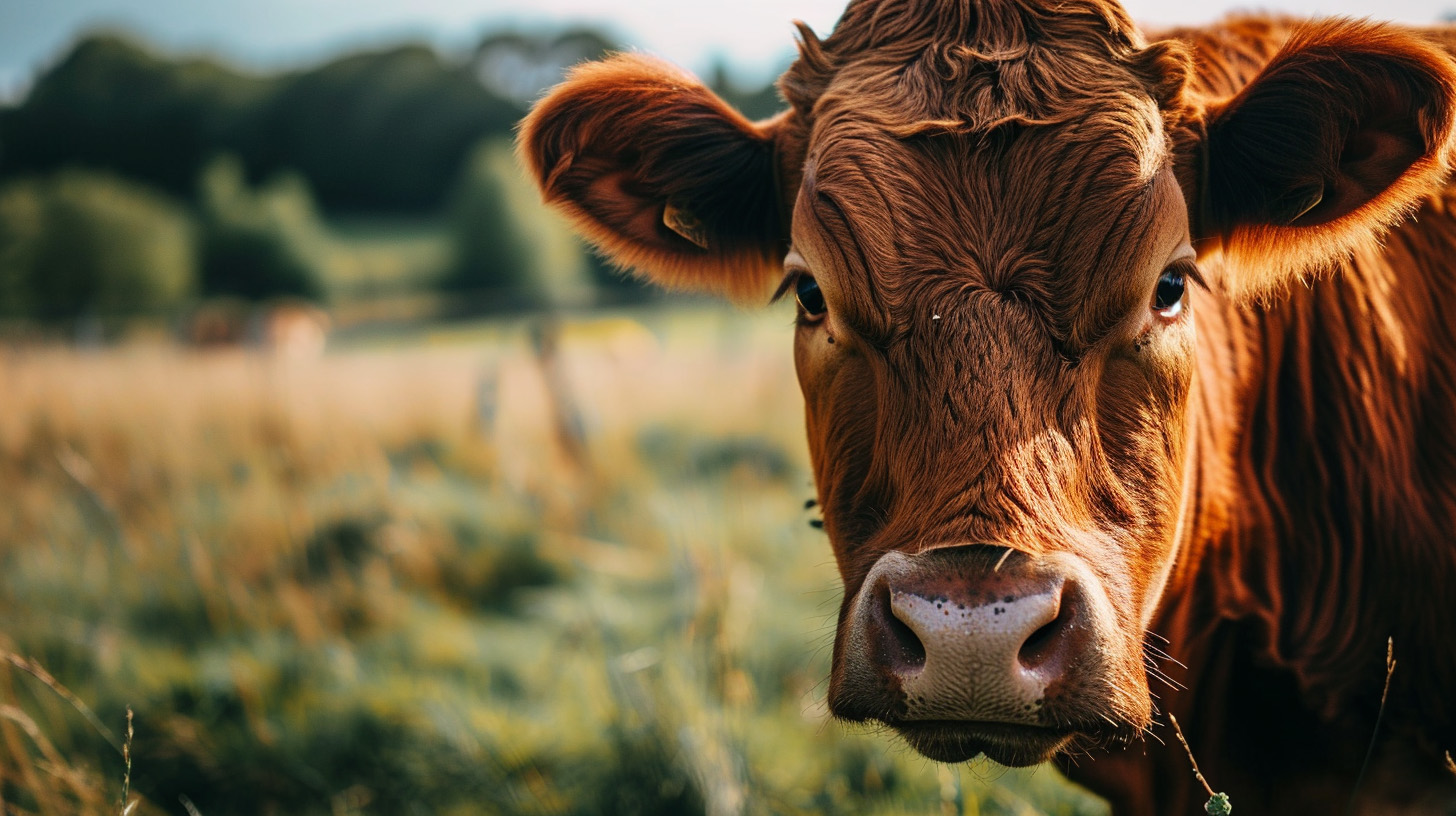
How do meat and dairy production contribute to climate change?
When you sit down to a meal, it’s natural to focus on your food’s flavours and health benefits. However, another crucial aspect to consider is the environmental footprint of what’s on your plate, particularly when it involves meat and dairy. The production of these foods has far-reaching impacts on our planet, and understanding these is key to making informed dietary choices.
Meat Production: A Major Culprit
- Greenhouse Gas Emissions: Livestock farming is responsible for a significant proportion of greenhouse gas emissions, especially methane, a potent greenhouse gas. According to the World Animal Foundation, livestock accounts for about 15-18% of global greenhouse gas emissions.
- Land Use: To rear animals, vast tracts of land are required. This often leads to deforestation, which not only contributes to carbon emissions but also to the loss of biodiversity.
- Water Usage: Meat production is incredibly water-intensive. For example, producing just one kilogram of beef can require upwards of 15,000 litres of water, primarily due to the water needed for the crops that feed the cattle.
Dairy Farming: Hidden Environmental Costs
- Emissions: Like meat production, dairy farming contributes to greenhouse gas emissions, including methane from cows and nitrous oxide from fertilised fields.
- Resource Intensive: The process of producing milk requires substantial amounts of water, up to 1,000 litres, both for the cattle and to grow their feed, to produce every single litre of milk. Additionally, dairy farming demands considerable land space.
- Pollution: Runoff from dairy farms can lead to water pollution, impacting local ecosystems and contributing to algal blooms.
You can make more sustainable choices by understanding the environmental implications of meat and dairy production. This doesn’t necessarily mean adopting a completely vegan diet, but even small changes in consumption habits can make a significant difference. It’s about finding a balance that works for you and the planet. Remember, every meal is an opportunity to vote for the kind of world you want to live in.
How does a vegan diet reduce my carbon footprint?
Have you ever pondered the environmental impact of your food choices? Specifically, how can opting for vegan alternatives during Veganuary significantly reduce your carbon footprint? It’s a matter of understanding the resources used and the emissions produced by different types of food.
Let’s break it down with some clear examples:
- Methane Emissions: Traditional livestock farming is a significant methane producer. Cows and other ruminants emit this potent greenhouse gas during their digestion process. Plant-based foods, however, do not produce methane in this way. By choosing a lentil burger over beef, you’re significantly cutting down on these harmful emissions.
- Carbon Dioxide Reduction: The energy required to process animal products is considerably higher than that for plant-based foods. The entire cycle of rearing, feeding, transporting, and processing animals contributes heavily to carbon dioxide emissions. On the other hand, plants such as beans, grains, and vegetables have a much lower carbon footprint.
- Decreased Water Usage: Water usage is another critical factor. As mentioned above, producing 1kg of beef can consume upwards of 15,000 litres of water, a staggering amount compared to the 322 litres required for 1kg of potatoes. By opting for plant-based meals, your water footprint shrinks drastically.
What are the other environmental benefits of a vegan diet?
Switching to a vegan diet extends beyond just reducing your carbon footprint. It encompasses a wide range of environmental benefits:
- Lower Water Footprint: Agriculture for plant-based foods generally requires less water than livestock farming. For example, producing a litre of cow’s milk can use about three times more water than producing a litre of oat milk.
- Reduced Land Use: Growing crops for human consumption is more efficient in land use than raising animals. This shift can alleviate deforestation and habitat destruction, contributing to biodiversity preservation.
- Minimised Nitrogen and Phosphorus Pollution: Livestock farming is a significant contributor to nitrogen and phosphorus pollution in our waterways. Plant-based diets lead to lower levels of these pollutants, helping to maintain healthier ecosystems.
By exploring Veganuary, you’re not just experimenting with new food choices; you’re part of a broader movement towards a more sustainable and environmentally friendly way of living. Each plant-based meal is a step towards reducing water usage, minimising greenhouse gas emission, and conserving our planet’s resources. Remember, your diet has the power to shape not just your health but the health of the planet too.

Are there any case studies of regions where a shift to plant-based diets has made a measurable environmental difference?
Indeed, compelling examples from around the globe showcase how shifts towards plant-based diets have led to significant environmental improvements. These cases are not just about reducing meat consumption; they demonstrate broader ecological impacts, including reductions in greenhouse gas emissions, improved land use and enhanced water conservation.
European shift to Plant-Based Diets
In countries like Germany and the United Kingdom, there has been a notable increase in the popularity of plant-based diets. 46% of Europeans report have adopted non-meat-based dietary lifestyles for over 2 years. The EU’s top scientists are convinced plant-based diets improve health and the environment.
- Impact: This shift has contributed to lower greenhouse gas emissions in these countries. A study by the WHO Collaborating Centre for Nutrition estimated that animal product-free diets have the potential to reduce diet-related global land use by 3.1 billion hectares (76% reduction).
- Broader Influence: Beyond individual health benefits, this trend has influenced policy discussions around sustainable food systems in the European Union.
California’s Water Problem
California, a US state known for its agricultural output and environmental consciousness, has seen a growing trend in plant-based diets.
- Water Conservation: The state’s frequent droughts have made water a precious resource. Plant-based diets, which generally require less water than meat-based diets, have played a role in water conservation efforts.
- Legislative Actions: This dietary shift has also influenced local policies, including incentives for sustainable farming and water usage regulations.
Brazil’s Response to Deforestation
In Brazil, the demand for soy and cattle farming has been a significant driver of deforestation in the Amazon rainforest.
- Changing Consumer Patterns: Increased global awareness and a shift towards plant-based diets have pressured these industries. A growing demand for sustainably sourced products leads to more responsible farming practices.
- Policy Influence: This consumer-driven change has contributed to developing policies aimed at protecting the Amazon, showcasing the power of dietary choices in influencing governmental action.
These examples highlight the profound impact that dietary choices can have on our planet. By participating in Veganuary and adopting a plant-based diet, even temporarily, you contribute to a global shift that can lead to significant environmental benefits. This isn’t just about changing what’s on your plate; it’s about being part of a movement that can reshape our world’s ecological future. Every plant-based meal is a step towards a more sustainable planet; together, we can make a world of difference.
What challenges does a vegan diet pose from an environmental perspective?
Embarking on a vegan journey during Veganuary is commendable, but it’s not without its challenges, especially considering the environmental impact. Let’s break down some of these challenges:
- Sourcing of Vegan Products: While cutting out animal products reduces your carbon footprint, the environmental impact of some plant-based alternatives can be significant. For instance, almonds, a popular ingredient in vegan diets, require substantial water to grow, particularly in regions like California, which faces water scarcity.
- Monoculture Farming: This practice, often used in producing vegan staples like soy, can lead to soil degradation and biodiversity loss. It’s a stark reminder that not all plant-based farming practices are automatically eco-friendly.
- Food Miles: The journey your food takes from farm to plate contributes to greenhouse gas emissions. A vegan product shipped halfway across the globe could have a larger carbon footprint than locally sourced animal products.
Navigating these challenges:
- Seek out locally sourced and seasonal produce to reduce food miles.
- Look for certifications indicating sustainable farming practices.
- Consider the water footprint of your food choices.
How can I make environmentally conscious choices within a vegan diet?
Now, let’s turn to making environmentally conscious choices within your Veganuary journey. It’s not just about eliminating animal products but also about being mindful of the overall impact of your diet.
- Understanding Labels: Learn to decipher labels for organic, fair-trade and locally sourced products. Organic farming often uses fewer pesticides and is better for soil health, while fair-trade ensures fair wages and working conditions for farmers.
- Reducing Processed Foods: Highly processed vegan foods can have a significant environmental impact due to their production processes. Opt for whole foods where possible.
- Composting and Waste Reduction: Reduce your environmental impact by minimising food waste and composting. This practice returns nutrients to the soil and reduces landfill waste.
Key steps you can take:
- Prioritise whole, minimally processed foods.
- Get creative with leftovers to minimise waste.
- Compost your organic waste.
Adopting a vegan diet for Veganuary is a fantastic step towards a more sustainable lifestyle. However, it’s crucial to navigate the associated environmental challenges mindfully. By making informed choices about the sourcing and types of food you consume, you can ensure that your diet has the lowest possible environmental impact. Remember, every small choice can contribute to positive effects on our planet.
Medical Disclaimer:
Food supplements should not be used as a substitute for a varied and balanced diet and are not intended to diagnose, treat, cure or prevent any ailments.
This website contains general information about food supplements. The information is not advice and should not be treated as such. All content, including text, graphics, images and information available through this website, is for general information purposes only. bodykind makes no representation and assumes no responsibility for the accuracy of the information available through this website, and such information is subject to change without notice.
bodykind does not recommend, endorse or make any representation about the efficacy, appropriateness or suitability of any specific tests, products, procedures, treatments or other information that may be contained on or available through this website.
You must not rely on the information on this website as an alternative to medical advice from your doctor or other professional healthcare providers. You should consult your doctor or other professional healthcare providers if you have any specific questions about any medical matter. You should seek immediate medical attention if you think you may be suffering from any medical condition. You should never delay seeking medical advice, disregard medical advice, or discontinue medical treatment because of information on this website.

Comments are closed here.