Natural Calm: Herbal supplements to ease stress and anxiety
Discover the best herbal remedies for calm days and restful nights. Learn how nature’s solutions can help you manage stress & anxiety and promote mental wellbeing.

Contents
- Why are stress and anxiety so common?
- How can herbal supplements help combat stress and anxiety?
- How can anxiety affect me?
- How have herbal supplements been used historically?
- What are the most popular herbal supplements for anxiety?
- How should I select an herbal supplement for anxiety?
- What should I consider to ensure supplements are sustainable and ethically produced?
- Do herbal supplements have any potential side effects?
Why are stress and anxiety so common?
In today’s fast-paced world, it’s no surprise that feelings of stress and anxiety have become a common part of many people’s lives. With the demands of work, family and society, finding a moment of peace can seem like a daunting task. Recent statistics reveal a startling truth: a significant portion of the population experiences anxiety at various levels, ranging from mild unease to debilitating anxiety disorders. This rise in anxiety levels is not just a health concern but a societal one, affecting productivity, relationships and overall quality of life.
How can herbal supplements help combat stress and anxiety?
For centuries, people have turned to nature for remedies to all sorts of ailments, including stress and anxiety. Herbal supplements have gained popularity as a natural approach to managing anxiety, with many seeking them out as an alternative or complement to conventional treatments. The allure of these supplements lies in their potential benefits:
- Natural Ingredients: These are often derived from plants and have a long history of use in traditional medicine.
- Fewer Side Effects: Many users report fewer side effects compared to conventional medication, though individual experiences may vary.
- Accessibility: Herbal supplements are widely available and can be a convenient option for those looking to manage mild to moderate anxiety.
It’s essential, however, to approach herbal remedies with an informed perspective. While they offer many potential benefits, understanding their efficacy, safety and how they interact with other treatments is crucial for anyone considering this route. Engaging with healthcare professionals and seeking evidence-based information can empower you to make informed decisions about incorporating herbal supplements into your wellness routine.
In exploring the world of herbal supplements for anxiety, it’s essential to approach the topic with both optimism and caution. As we delve deeper into this subject, remember that everyone’s journey with anxiety is unique. What works for one person may not work for another, highlighting the importance of personalised care and informed choice.
How can anxiety affect me?
Anxiety isn’t just about feeling stressed or worried. For many, it’s a daily battle that affects their physical and mental wellbeing. Have you ever felt your heart racing for no apparent reason or found yourself lying awake at 3 a.m., your mind racing with thoughts and concerns? That’s anxiety knocking at your door.
Anxiety manifests in various ways, including:
- Physical symptoms such as rapid heartbeat, headaches and fatigue.
- Emotional symptoms including feelings of impending doom, irritability and restlessness.
But here’s the good news: understanding anxiety is the first step towards managing it. And while modern medicine offers numerous treatments, a growing body of evidence suggests that herbal remedies can provide a natural and effective way to manage anxiety symptoms. Let’s explore how.
How have herbal supplements been used historically?
Turning to nature for healing isn’t a new concept. For centuries, cultures around the globe have used herbal remedies to treat a myriad of conditions, including anxiety and stress. These natural remedies starkly contrast to synthetic medications, often with fewer side effects. And the use of these herbs is supported by both anecdotal evidence and modern research, highlighting their potential in anxiety management.
Bridging past and present
In bridging ancient wisdom with modern science, we find a powerful ally in the fight against anxiety. Herbal remedies, with their roots deeply entwined in history, offer a beacon of hope for many who seek a more natural approach to managing their anxiety. Whether through a soothing cup of chamomile tea or the calming aroma of lavender oil, these natural solutions invite you to explore a well-travelled path in anxiety management.
As we continue to navigate the complexities of anxiety, remember you’re not alone. Millions are on this journey with you, seeking solace in both modern medicine and the ancient wisdom of herbal remedies. By understanding the roots of anxiety and embracing the natural world’s offerings, we unlock new doors to wellness and balance in our lives.
And so, as you ponder the role of herbal supplements in your life, consider their potential to ease your symptoms and their place in a long tradition of natural healing. With each herb, you’re not merely trying a remedy but connecting with a centuries-old practice of holistic wellbeing.
What are the most popular herbal supplements for anxiety?
Among the myriad of options, certain herbal supplements have stood out for their potential to soothe the mind and reduce anxiety. If you’re exploring natural ways to manage your stress levels, let’s delve into some popular herbs that have captured the public’s and scientific communities’ attention.
Ashwagandha
Ashwagandha, a cornerstone herb in Ayurvedic medicine, has gained widespread popularity for its stress-relieving properties.
How does Ashwagandha work?
Known as an adaptogen, Ashwagandha is known for reducing cortisol levels, a hormone associated with stress.
What does the research say about Ashwagandha?
Numerous studies back up its efficacy, indicating it can significantly reduce symptoms in people with stress and anxiety disorders.
- A study showed that Ashwagandha root extract significantly reduced stress and anxiety[1] scores and decreased serum cortisol levels in adults experiencing chronic stress, compared to placebo.
- In another study, Ashwagandha supplementation was associated with a significant reduction in anxiety scores and greater reductions in morning cortisol[2], compared with placebo.
- More research found that Ashwagandha root extract improved stress and anxiety by modulating stress hormones[3], resulting in an improvement in quality of life in healthy adults.
Ashwagandha can be a game-changer for those looking to manage daily stress levels and improve their overall sense of wellbeing.
Valerian
Often heralded as nature’s Valium, Valerian is a herb people have used for centuries to deal with conditions like insomnia and nervousness and to manage stress.
How does Valerian work?
Valerian root contains compounds that may enhance gamma-aminobutyric acid (GABA), a neurotransmitter in the brain that helps regulate nerve impulses. Increased GABA levels are associated with calming anxiety.
What does the research say about Valerian?
Studies suggest that Valerian can improve sleep quality without producing side effects and reduce psychological responses to physical stress.
- In one study, Valerian was shown to significantly improve sleep quality[4], reduce anxiety and reduce depression in haemodialysis patients compared to a placebo.
- In further research, Valerian root was shown to have an excellent anti-anxiety effects[5] and could potentially replace chemical medicines like diazepam before orthopaedic surgery.
When considering Valerian, remember it’s best taken in the evening due to its sedative properties.
Passiflora
Also known as Passionflower, this beautifully named herb comes with benefits as appealing as its moniker. Passiflora has been traditionally used to alleviate anxiety and improve sleep quality.
How does Passiflora work?
Similar to Valerian, Passiflora increases GABA levels in the brain, promoting relaxation.
What does the research say about Passiflora?
Clinical trials have shown that Passiflora can be as effective as some prescription medications in treating anxiety, making it a potent option for those seeking a natural remedy.
A study conducted in Japan found that intake of Passionflower Extract (PFE) significantly improved emotional parameters[6] related to daytime social and mental activities, suggesting its usefulness for improving anxiety without significant adverse effects.
Lemon balm
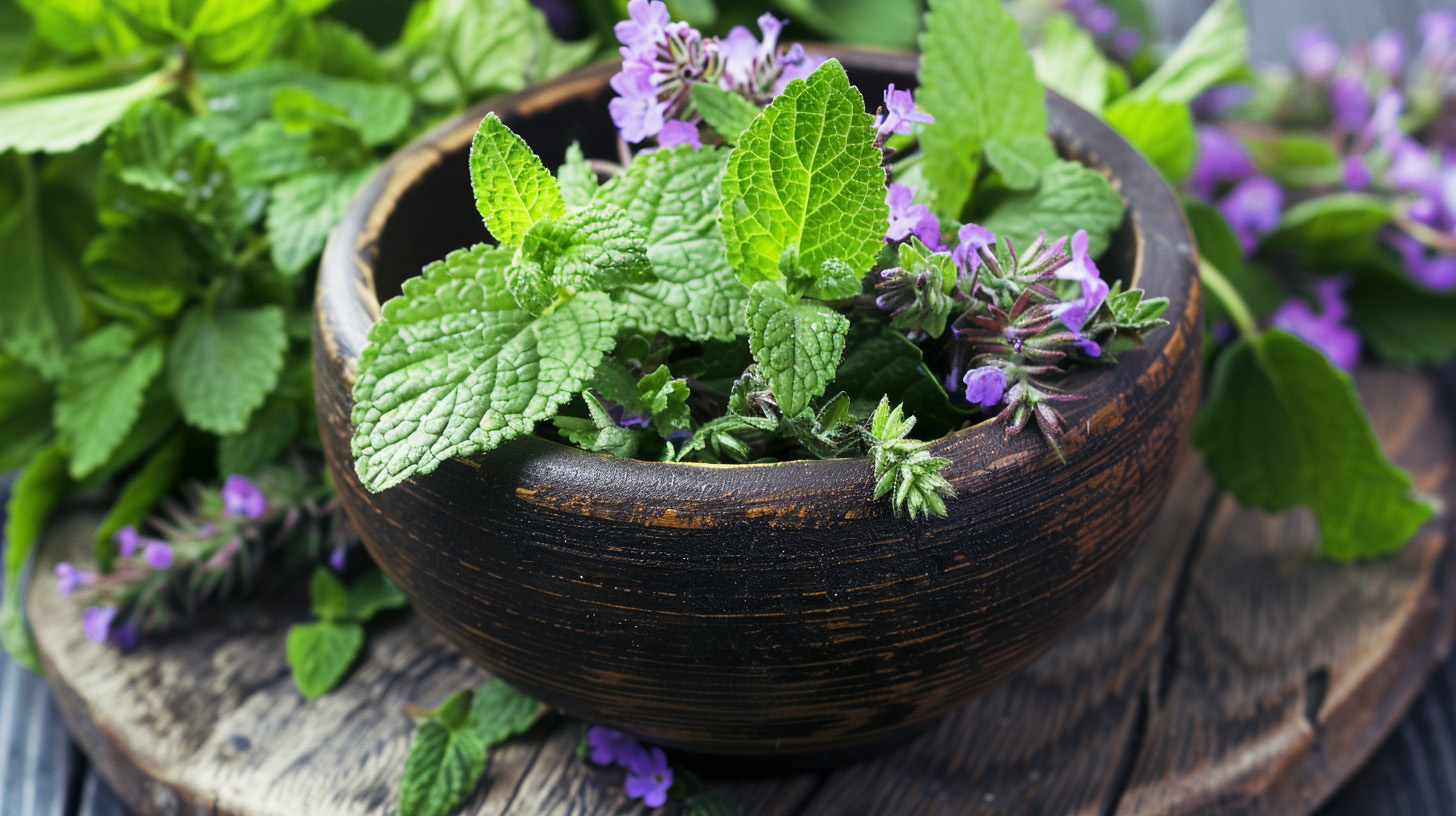
With its mild lemon scent, Lemon balm (also known as Melissa Leaf) is a pleasant herb to consume and a potent ally against anxiety.
How does Lemon balm work?
Lemon balm can block the activity of an enzyme that breaks down GABA, thus potentially increasing levels of this neurotransmitter.
What does the research say about Lemon balm?
Studies have found that Lemon balm can improve mood and cognitive performance, reducing anxiety and its symptoms.
One particular study found that a 600-mg dose of Lemon Balm (Melissa officinalis) reduced the negative mood effects of stress[7], with significant increases in calmness. Additionally, a 300-mg dose significantly increased the speed of mathematical processing without reducing accuracy, suggesting a potential for mitigating stress effects.
Lemon balm can be a refreshing, calming tea, perfect for a midday break or to unwind in the evening.
Transitioning smoothly
Understanding the potential benefits of these herbs is just the first step. Before integrating any supplement into your routine:
- Consult with a healthcare professional, especially if you are taking other medications.
- Start with only one herb to monitor its effects on your body.
Remember, while herbal supplements can offer support in managing anxiety, they work best in conjunction with a healthy lifestyle, including a balanced diet, regular physical activity and sufficient sleep. Embracing these natural remedies could be your next step towards a calmer, more balanced life.
How should I select an herbal supplement for anxiety?
When you’re navigating the sea of herbal supplements for anxiety, the sheer variety can feel overwhelming. However, making the right choice is crucial not just for effectiveness but for your safety and wellbeing too.
Begin by doing your research. Look into reputable sources that base their information on scientific evidence. Websites of health organisations or peer-reviewed journals are good places to start.
Next, consider the formulation and dosage. Some supplements might be available in various forms such as tablets, tinctures or teas. Your lifestyle and personal preference will dictate the best form for you. Moreover, dosages can vary widely, so it’s essential to understand the recommended amounts and any potential side effects.
Key points to consider:
- Source of information: Rely on credible, evidence-based sources.
- Form and dosage: Choose a form that fits your lifestyle and understand the recommended dosage.
What should I consider to ensure supplements are sustainable and ethically produced?
In an era where sustainability is no longer optional but essential, choosing supplements that are both sustainable and ethically produced is paramount. Here’s what you should look out for:
- Sourcing of Ingredients: Opt for supplements that use responsibly sourced ingredients. Many brands, like Viridian and Terranova, now highlight their commitment to sustainability, whether it’s through organic farming practices or sourcing ingredients from local growers.
- Manufacturing Processes: How a product is made can have a significant environmental impact. Look for companies like Together Health that employ environmentally friendly practices in their manufacturing process.
- Packaging: Consider the packaging material. Is it recyclable or made from recycled materials? The less plastic, the better. Brands like Fushi work hard to ensure their products are sustainable.
- Brand Ethics: Sometimes, it’s not just about the product but the company behind it. Do they have a good track record when it comes to environmental responsibility? Are they involved in any community or environmental projects? At bodykind we take the ethics of the brands we stock seriously, ensuring we only stock those brands we feel match our ethical values.
Selecting the right herbal supplement for stress or anxiety involves more than just understanding the potential benefits. It requires you to be mindful of your health needs, lifestyle and the broader impact of your choice on the planet. By considering these factors, you support your wellbeing and contribute to a more sustainable and ethical world.
Remember, it’s always advisable to consult with a healthcare professional before starting any new supplement to ensure it’s appropriate for your individual health circumstances.
Do herbal supplements have any potential side effects?
When you turn to herbal supplements as a natural way to manage anxiety, it’s paramount to consider their safety profile. Just because something is natural doesn’t mean it’s without potential side effects or risks.
Understanding these can help you make informed choices about incorporating them into your health regimen.
Herbal supplements can interact with:
- Prescription medications: For instance, St. John’s Wort is known to interact with a wide array of medications, including antidepressants, birth control pills, and blood thinners.
- Over-the-counter drugs: Even simple over-the-counter remedies, like aspirin, can have their effectiveness altered by certain supplements.
- Other supplements: Combining different supplements can sometimes lead to unexpected side effects or reduced efficacy.
Potential side effects might include:
- Gastrointestinal issues, such as nausea or diarrhoea.
- Headaches and dizziness.
- Allergic reactions, which can range from mild to severe.
- Sleep disturbances, particularly with supplements that have a stimulating effect.
Remember, the presence and severity of side effects can vary widely depending on the individual’s health, dosage and the specific supplement.

Should I consult a healthcare professional before taking a herbal supplement?
It’s always advised to seek professional advice before adding any supplement to your routine, especially for managing anxiety. So, discussing it with a healthcare professional, such as a doctor, pharmacist, registered nutritionist or herbalist is crucial. This step ensures you consider your overall health, potential interactions with current medications and your personal medical history.
Here’s why consulting a professional is advised:
- Personalised advice: A healthcare professional can offer guidance tailored to your specific health needs and conditions.
- Safety: They can help you understand any potential risks associated with the supplements you’re considering.
- Efficacy: Not all supplements may work for you. A professional nutritionist or herbalist can suggest reputable brands or products that have been tested for quality and effectiveness.
Moreover, if you’re pregnant, breastfeeding or have underlying health conditions, this advice becomes even more critical. While beneficial for many, herbal supplements can pose risks in these circumstances.
Taking these steps helps ensure that your journey towards managing anxiety with herbal supplements is both safe and effective. Remember, your health and wellbeing should always come first, and being well-informed plays a significant role. By staying informed and consulting with professionals, you’re taking a responsible step towards enhancing your health with nature’s bounty, all while keeping safety at the forefront.
What habits can enhance the effectiveness of herbal supplements?
Herbal supplements are most effective when part of a broader approach to wellness. Here are a few lifestyle changes and habits that can complement the effects of your supplements:
- Balanced diet: A nutritious diet rich in fruits, vegetables, whole grains and lean proteins can enhance your overall health and optimise the effectiveness of herbal supplements.
- Regular exercise: Physical activity is a potent stress reliever and mood booster. It can amplify the anxiety-reducing effects of herbal supplements.
- Mindfulness practices: Techniques like meditation, yoga, or deep-breathing exercises can synergise with herbal remedies to reduce stress and improve mental wellbeing.
- Adequate sleep: Quality sleep is crucial for mental health. Ensuring you get enough rest can improve the efficacy of supplements aimed at reducing anxiety or stress.
- Stay hydrated: Water is essential for your body’s metabolic processes, including the absorption and utilisation of supplements.
Boldly embracing a holistic approach to your health by combining herbal supplements with these lifestyle changes can significantly impact your wellbeing. Remember, the journey to better health is personal and evolving. What works for one person may not work for another. Thus, it’s essential to tailor your routine to fit your needs and always consult with a healthcare professional before adding any new supplement to your regimen.
By making these practices a part of your daily life, you enhance the effectiveness of herbal supplements and take a proactive step towards a healthier, more balanced you.
References
- Chandrasekhar, K.P., Kapoor, J., & Anishetty, S. (2012). A Prospective, Randomised Double-Blind, Placebo-Controlled Study of Safety and Efficacy of a High-Concentration Full-Spectrum Extract of Ashwagandha Root in Reducing Stress and Anxiety in Adults. Indian Journal of Psychological Medicine, 34, 255 – 262.
- Lopresti, A.L., Smith, S.J., Malvi, H., & Kodgule, R.R. (2019). An investigation into the stress-relieving and pharmacological actions of an ashwagandha (Withania somnifera) extract. Medicine, 98.
- Majeed, M., Nagabhushanam, K., & Mundkur, L.A. (2023). A standardised Ashwagandha root extract alleviates stress, anxiety, and improves quality of life in healthy adults by modulating stress hormones: Results from a randomised, double-blind, placebo-controlled study. Medicine, 102.
- Tammadon, M., Nobahar, M., Hydarinia-Naieni, Z., Ebrahimian, A., Ghorbani, R., & Vafaei, A. (2021). The Effects of Valerian on Sleep Quality, Depression, and State Anxiety in Hemodialysis Patients: A Randomised, Double-blind, Crossover Clinical Trial. Oman Medical Journal, 36, e255 – e255. https://doi.org/10.5001/omj.2021.56.
- Shahinfar, J., Zeraati, H., Masrorniya, M., & Shojaei, S. (2016). Comparison of valerian extract and diazepam on anxiety before orthopedic surgery. Journal of patient safety and quality improvement, 4, 434-440. https://doi.org/10.22038/PSJ.2016.7639.
- Takara, T., Yamamoto, K., Suzuki, N., Hirano, M., Shimizu, N., & Shimoda, H. (2019). Passionflower Extract Improves Diurnal Quality of Life in Japanese Subjects with Anxiety: A Randomised, Placebo-controlled, Double-blind Trial. Functional Foods in Health and Disease.
- Kennedy, D.O., Little, W., & Scholey, A.B. (2004). Attenuation of Laboratory-Induced Stress in Humans After Acute Administration of Melissa officinalis (Lemon Balm). Psychosomatic Medicine, 66, 607-613.
Medical Disclaimer:
Food supplements should not be used as a substitute for a varied and balanced diet and are not intended to diagnose, treat, cure or prevent any ailments.
This website contains general information about food supplements. The information is not advice and should not be treated as such. All content, including text, graphics, images and information available through this website, is for general information purposes only. bodykind makes no representation and assumes no responsibility for the accuracy of the information available through this website, and such information is subject to change without notice.
bodykind does not recommend, endorse or make any representation about the efficacy, appropriateness or suitability of any specific tests, products, procedures, treatments or other information that may be contained on or available through this website.
You must not rely on the information on this website as an alternative to medical advice from your doctor or other professional healthcare providers. You should consult your doctor or other professional healthcare providers if you have any specific questions about any medical matter. You should seek immediate medical attention if you think you may be suffering from any medical condition. You should never delay seeking medical advice, disregard medical advice, or discontinue medical treatment because of information on this website.

Comments are closed here.