The Plant-Based Secret: How to support collagen without animal products
Collagen supports your skin, joints and connective tissue, yet most collagen supplements aren’t suitable for a vegan lifestyle. The good news is your body can make its own collagen when you give it the right nutrients, all from plant-based sources.
Contents
- Is it really possible to support collagen on a vegan diet?
- What role does collagen play in skin, joints and connective tissue?
- Why is most collagen derived from animals?
- Is vegan collagen possible?
- Does your body need dietary collagen to produce collagen?
- Which building blocks does your body need to produce collagen naturally?
- Which nutrients activate and protect collagen synthesis?
- Which vegan foods help maintain strong, healthy collagen?
- Why is protecting collagen just as important as making it?
- Can digestion and absorption affect collagen production?
- What everyday habits can weaken or strengthen collagen?
- Are certain life stages or lifestyles more collagen-demanding?
- What misconceptions surround collagen and plant-based diets?
- When can you expect to see results from nutrition-led collagen support?
Is it really possible to support collagen on a vegan diet?
Collagen plays a vital role in keeping your skin firm, joints flexible and connective tissue strong. However, most collagen supplements come from animal sources. As a result, many people following a vegan lifestyle wonder if they’re missing out.
Fortunately, you don’t need to consume collagen to support collagen. Your body already knows how to make it. Instead, it relies on specific nutrients, many of which come from plants. By understanding what collagen needs to form, you can support healthy ageing while staying true to your values.
This nutrition-first approach also aligns with a sustainable lifestyle. It focuses on whole foods, targeted supplements and long-term health rather than quick fixes. You’ll soon see that vegan collagen support is both possible and effective.
What role does collagen play in skin, joints and connective tissue?
Collagen is the most abundant protein in your body. It acts as a structural framework for skin, bones, tendons and ligaments. Without enough collagen, tissues lose strength and elasticity.
As you age, collagen production naturally slows. Stress, poor diet, sun exposure and inflammation can accelerate this decline. Over time, this may show as wrinkles, joint stiffness or slower recovery.
Because collagen supports so many systems, maintaining production is vital. Nutrition, lifestyle and antioxidant intake all influence how well your body maintains this essential protein.
Why is most collagen derived from animals?
Traditional collagen supplements usually come from bovine hides, fish skin or poultry cartilage. These sources contain ready-made collagen peptides extracted through processing.
However, collagen itself isn’t considered essential in the diet. Your body breaks it down into amino acids during digestion. From there, it rebuilds collagen where needed.
This means consuming animal collagen isn’t the only option. A well-planned vegan diet can supply the same building blocks, without relying on animal products.
Is vegan collagen possible?
Vegan collagen supplements don’t contain collagen itself. Instead, they provide the nutrients your body needs to boost collagen naturally. This distinction matters because collagen is always broken down during digestion, regardless of its source.
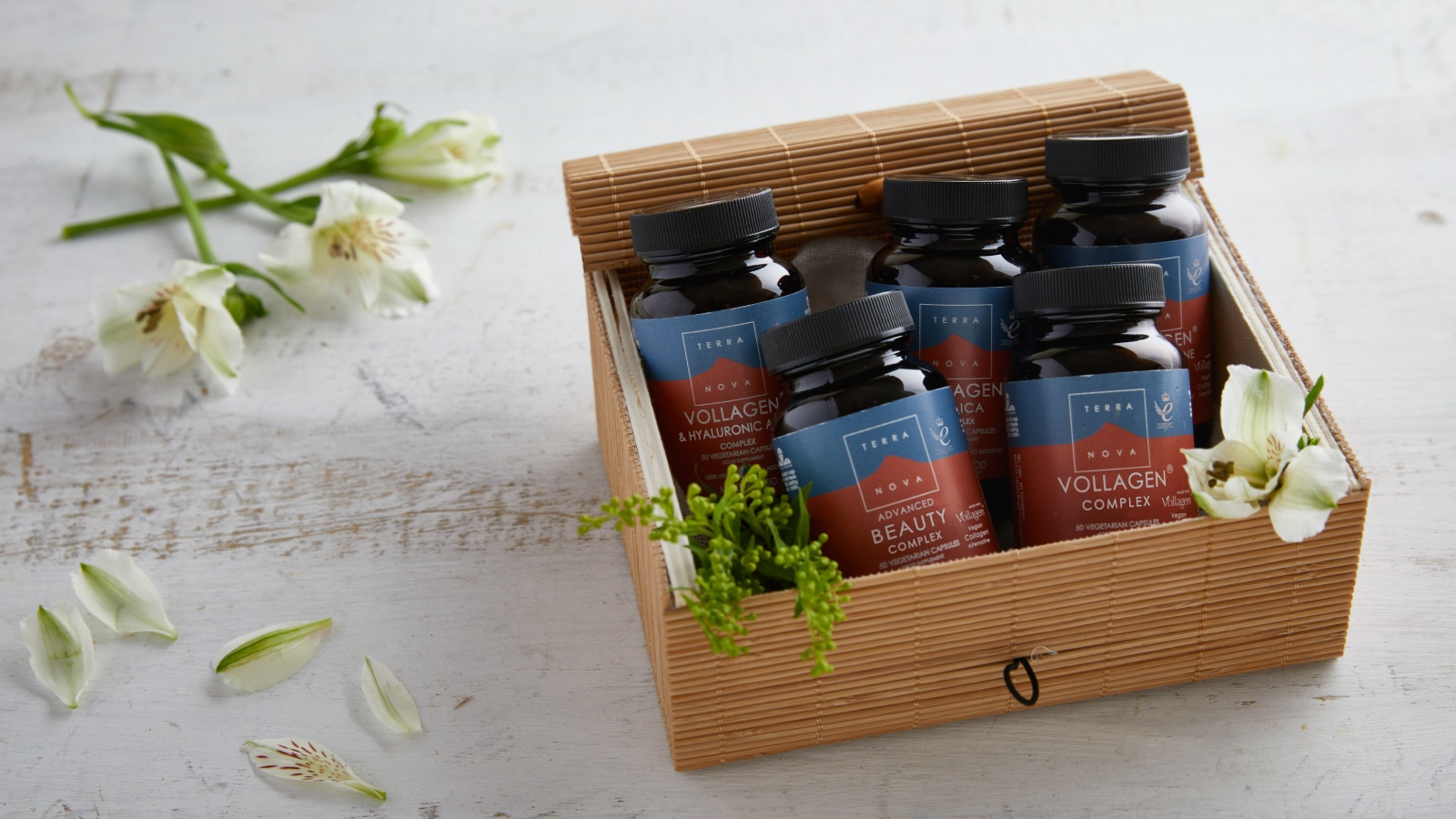
Most vegan collagen formulas combine vitamin C, amino acids, silica, zinc and copper. Together, these nutrients support collagen synthesis, protect existing collagen and promote healthy skin elasticity. Some formulas also include botanical extracts that provide antioxidants to reduce collagen breakdown.
Unlike animal collagen powders, vegan collagen supplements support your body’s own biological processes. This approach aligns with current research indicating that collagen formation is dependent on nutrient availability, rather than collagen intake.
When choosing a vegan collagen supplement, look for transparent labelling and bioavailable nutrient forms. You may also benefit from combining vegan collagen support with plant-based protein powders, vitamin C supplements or silica-rich formulas to cover all collagen co-factors.
Ultimately, vegan collagen support focuses on long-term skin, joint and connective tissue health. By nourishing your body properly, you support collagen in a way that’s effective, ethical and sustainable.
Does your body need dietary collagen to produce collagen?
Your body produces collagen through a process called endogenous synthesis. This process uses amino acids, vitamins and minerals as raw materials.
Even when you consume collagen supplements, digestion breaks them down first. Therefore, your body still rebuilds collagen from scratch.
For this reason, supporting collagen production depends more on nutrient intake than collagen intake. This insight opens the door to effective vegan collagen strategies.
Which building blocks does your body need to produce collagen naturally?
Three amino acids form the backbone of collagen:
- Glycine
- Proline
- Lysine
Plant proteins from legumes, soy, quinoa, nuts and seeds provide these amino acids. Combining varied protein sources improves amino acid balance across the day.
If protein intake feels challenging, vegan protein powders can help. You may explore plant-based protein supplements to support daily needs, especially during active or busy periods.
Which nutrients activate and protect collagen synthesis?
Certain micronutrients act as collagen “switches”. Without them, collagen production slows or weakens.
Key nutrients include:
- Vitamin C, essential for collagen cross-linking
- Zinc, supporting tissue repair
- Copper, involved in collagen stabilisation
- Silica, contributing to skin elasticity
Vitamin C supplements can support intake during times of stress or low fruit consumption. Zinc and silica supplements may also benefit skin, hair and joint health when dietary intake falls short.
Which vegan foods help maintain strong, healthy collagen?

Whole plant foods supply collagen co-factors alongside antioxidants. These compounds protect existing collagen from breakdown.
Focus on:
- Citrus fruits, berries and kiwis
- Dark leafy greens
- Bell peppers and tomatoes
- Nuts, seeds and wholegrains
A varied, colourful plate ensures broad nutrient coverage. Over time, this supports skin resilience, joint comfort and connective tissue strength.
Why is protecting collagen just as important as making it?
Collagen breakdown accelerates through oxidative stress. UV exposure, pollution and chronic inflammation all contribute.
Antioxidants neutralise free radicals before they damage collagen fibres. Polyphenols, flavonoids and carotenoids play key protective roles.
You’ll find antioxidants in berries, green tea, herbs and colourful vegetables. Antioxidant supplements may offer extra support during periods of high stress or environmental exposure.
Can digestion and absorption affect collagen production?
Even the best nutrients won’t help if absorption falters. Gut health strongly influences nutrient uptake.
A healthy microbiome improves mineral absorption and reduces inflammation. Fibre, fermented foods and diverse plant intake support this balance.
If digestion feels sluggish, probiotic supplements or digestive enzymes may help. These support nutrient availability, indirectly aiding collagen synthesis.
What everyday habits can weaken or strengthen collagen?

Lifestyle choices influence collagen more than many realise. Poor sleep and chronic stress raise cortisol, which accelerates collagen breakdown.
On the other hand, resistance exercise stimulates connective tissue renewal. Adequate hydration also maintains skin elasticity and joint lubrication.
Small habits add up. Prioritising sleep, movement and sun protection protects collagen alongside nutrition.
Are certain life stages or lifestyles more collagen-demanding?
Collagen demand increases with age, physical activity and hormonal changes. Menopause, for example, often coincides with accelerated collagen loss.
Active lifestyles also place greater stress on joints and tendons. Supporting collagen helps recovery and resilience.
During these stages, targeted nutrition and supplements may provide additional support. Joint and skin support formulas often address these needs together.
What misconceptions surround collagen and plant-based diets?
A common myth claims that vegan diets can’t support collagen. However, evidence shows nutrient sufficiency matters more than collagen intake.
Another misconception promises instant results from supplements. Collagen support works gradually through consistent nutrition.
Understanding these points prevents disappointment and promotes sustainable habits rooted in science.
When can you expect to see results from nutrition-led collagen support?
Collagen turnover takes time. Skin improvements may appear after several weeks, while joint benefits often take longer.
Consistency matters more than speed. Daily nutrient intake supports steady collagen renewal.
By focusing on long-term habits, results feel more stable and lasting.
Medical Disclaimer:
Food supplements should not be used as a substitute for a varied and balanced diet and are not intended to diagnose, treat, cure or prevent any ailments.
This website contains general information about food supplements. The information is not advice and should not be treated as such. All content, including text, graphics, images and information available through this website, is for general information purposes only. bodykind makes no representation and assumes no responsibility for the accuracy of the information available through this website, and such information is subject to change without notice.
bodykind does not recommend, endorse or make any representation about the efficacy, appropriateness or suitability of any specific tests, products, procedures, treatments or other information that may be contained on or available through this website.
You must not rely on the information on this website as an alternative to medical advice from your doctor or other professional healthcare providers. You should consult your doctor or other professional healthcare providers if you have any specific questions about any medical matter. You should seek immediate medical attention if you think you may be suffering from any medical condition. You should never delay seeking medical advice, disregard medical advice, or discontinue medical treatment because of information on this website.

Comments are closed here.