Breaking Down Endometriosis: How to take control
Endometriosis is a condition that silently affects millions of women worldwide, yet it often remains shrouded in mystery. Understanding what endometriosis is, how it manifests, and the impact it can have on your life is the first step towards managing it effectively.

Contents
- What is endometriosis?
- What causes endometriosis?
- What are the symptoms of endometriosis?
- What is endo-belly?
- How is endometriosis diagnosed?
- How can you manage endometriosis symptoms?
- How does endometriosis affect your fertility?
- Is there a cure for endometriosis?
- Where can you find support and more information?
What is endometriosis?
Endometriosis affects millions of women worldwide, yet many struggle with its hidden symptoms. Understanding the condition, its symptoms, and its impact is crucial for effective management. By learning how it manifests, you can take control of your health and seek the right support.
How does endometriosis affect your body?
The lining of your womb usually builds up and breaks down during your menstrual cycle. Endometriosis happens when similar tissue grows outside your uterus. These growths can develop on your ovaries, fallopian tubes, outer uterus, and pelvic lining. The misplaced tissue behaves like it would inside your uterus, it thickens, breaks down, and bleeds with each menstrual cycle. However, because there’s no way for this blood to exit your body, it becomes trapped. This can cause inflammation, pain, and scar tissue formation.
Common misconceptions about endometriosis
Endometriosis is often dismissed as just a ‘bad period’, but it’s a chronic condition that causes severe pain and affects your overall health. It can impact fertility and significantly disrupt daily life. Another common misconception is that it’s rare, yet around one in ten women experience it during their reproductive years.
Recognising the signs of endometriosis is key to early diagnosis and effective treatment, as it can be a long and frustrating process. Symptoms vary and may include severe menstrual cramps, chronic lower abdominal or back pain, intestinal discomfort, painful intercourse, and infertility. These issues can deeply affect your quality of life, influencing your physical health, mental wellbeing and personal relationships. Understanding these symptoms early can help you seek the right medical support and take control of your health sooner.
What causes endometriosis?
Understanding the root cause of endometriosis can be challenging. The exact cause remains unknown, but several theories offer possible explanations. Gaining insight into these can help you discuss your condition more confidently and explore effective treatments.
- Genetics: If your mother or sister has endometriosis, your own risk of developing the condition is significantly higher. Research suggests a hereditary component, indicating that endometriosis can run in families.
- Hormonal: The role of hormones, particularly oestrogen, is also significant. Endometriosis is known to respond to oestrogen, much like the lining of your uterus does during your menstrual cycle. This hormone promotes the growth of endometrial-like tissue outside the uterus.
- Immune system dysfunction: Another theory is that a faulty immune system may fail to destroy this misplaced tissue outside the uterus. Normally, your body’s defences would remove any such foreign tissue, but in endometriosis, this does not occur.
It’s likely endometriosis is caused by a combination of these different factors.
Recognising endometriosis early is essential for timely diagnosis and treatment. When you understand what’s happening in your body, you can clearly communicate your symptoms, leading to faster and more effective management.
What are the symptoms of endometriosis?
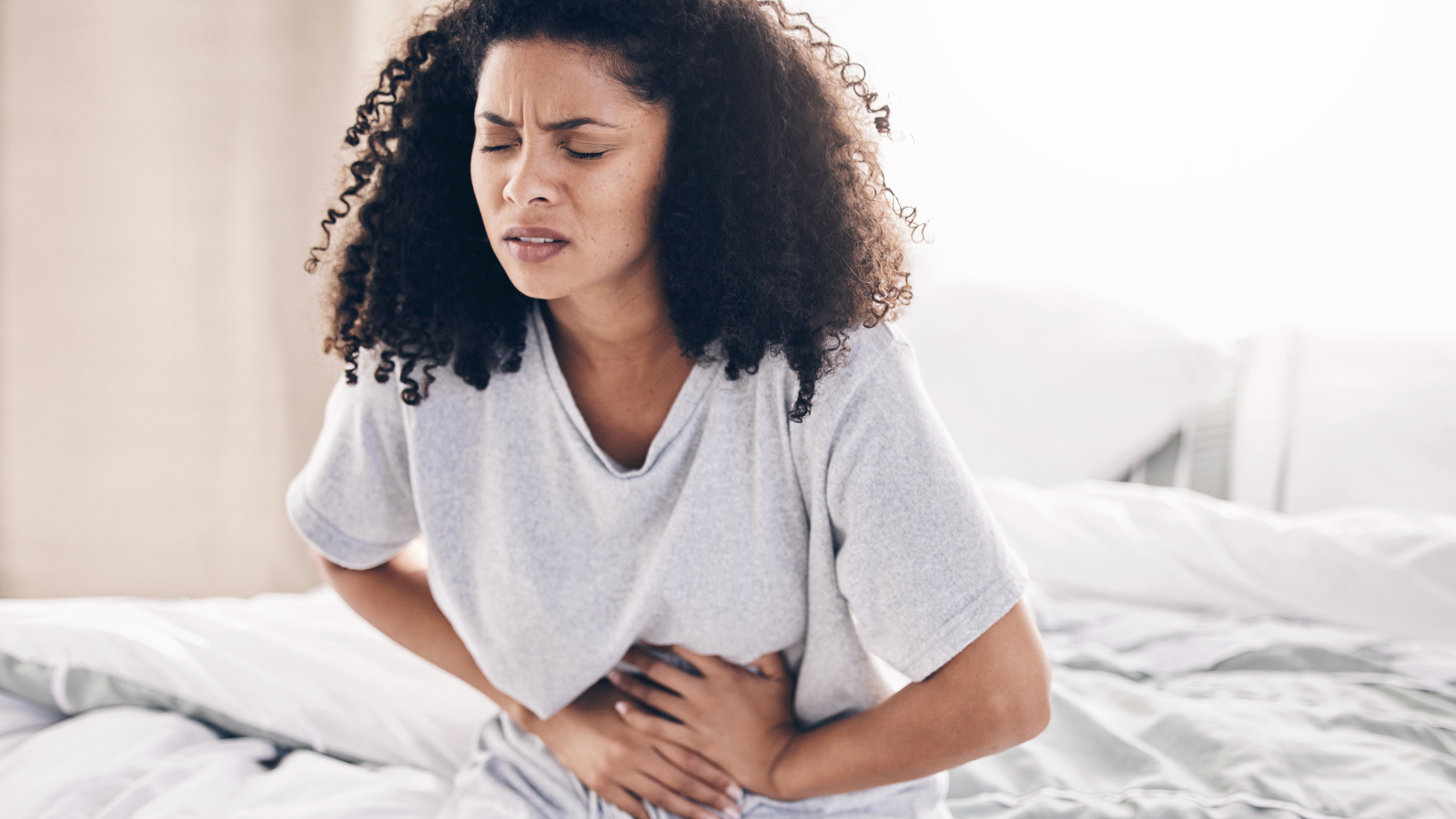
Understanding the symptoms of endometriosis is crucial for early diagnosis and effective management. If you’re feeling unusual or severe discomfort around your period, it may be worth considering if endometriosis is playing a role.
Endometriosis symptoms can range from mild to debilitating. Here are the most common symptoms you should be aware of, that might help you spot this condition sooner, and empower you to seek the help you need.
Endometriosis symptoms
- Severe cramps: Unlike typical period cramps, these can be extremely painful and may worsen over time. It’s usually worse during your period.
- Chronic pain in your lower abdomen or back: This pain can occur even when you’re not menstruating.
- Pain during or after sex: This is often described as a deep pain, rather than a surface pain.
- Pain when you pee or poo during your period: This might include blood in your pee or poo, which can be alarming and is a symptom you should definitely discuss with your doctor.
- Heavy periods or bleeding between periods: This can be not only uncomfortable but also quite worrying.
- Fatigue, diarrhoea, constipation, bloating or nausea: Especially common during your periods, these symptoms can significantly impact your daily life.
The intensity of your symptoms can vary throughout your cycle. Many women experience stronger symptoms during their period, which often ease once it ends. Recognising this pattern helps you and your doctor create a management plan that works with your cycle and symptoms.
Endometriosis doesn’t just affect your body, it can take a toll on your mental wellbeing and overall quality of life. Chronic pain might make it harder to stay active, enjoy social activities, or even manage daily tasks. Understanding that your symptoms could be linked to endometriosis is the first step towards finding the right treatment and regaining control of your life.
Endometriosis UK offer a quick symptom checker designed to check for common symptoms and to support you in seeking medical advice and improving diagnosis time and access to treatment.
What is endo-belly?
Endo-belly is a term used to describe the severe, often painful bloating linked to endometriosis. Many find this symptom frustrating and distressing, as it can dramatically affect both appearance and comfort. The bloating can vary in intensity, sometimes appearing suddenly and making clothes feel uncomfortably tight. In some cases, it causes noticeable size fluctuations, resembling pregnancy.
This bloating is believed to result from inflammation caused by endometrial-like tissue growing outside the uterus. The inflammation can trigger digestive issues like gas, bloating, and constipation. Hormonal changes during the menstrual cycle often worsen these symptoms by affecting digestion.
Although managing endo-belly can be challenging, a combination of dietary changes, physical activity, and medical treatments may help reduce symptoms and improve comfort.
- Diet: Eating a diet low in FODMAPs (fermentable oligo-, di-, monosaccharides and polyols) can help as these are carbohydrates that the small intestine absorbs poorly and can cause bloating.
- Exercise: Regular physical activity can improve digestion and reduce bloating.
- Medical treatment: Hormonal treatments that manage endometriosis may also reduce symptoms of endo-belly by reducing overall inflammation.
How is endometriosis diagnosed?
Diagnosing endometriosis can be challenging because its symptoms often resemble those of other conditions, such as period pain, pelvic inflammatory disease or irritable bowel syndrome.
If you’re experiencing persistent pain, heavy periods or other concerning symptoms that might suggest endometriosis, speak to your doctor as soon as possible. They can assess your symptoms, discuss your medical history and guide you through the diagnostic procedures that can confirm whether endometriosis is the cause of your discomfort.
Keep a diary of your symptoms, noting their severity and whether they stopped you from doing daily tasks or enjoying social activities to help make these conversations more effective. Record any painkillers or medication you took and whether they provided relief.
Steps to diagnosis
- Medical history: Your journey toward diagnosis will start with a detailed discussion about your symptoms, menstrual cycle, family history, and any other health issues. This helps your doctor understand the full scope of what you’re experiencing.
- Physical examination: Your doctor will palpate your abdomen and pelvis, checking for abnormalities such as cysts on your reproductive organs or scars behind your uterus.
- Ultrasound scan: This non-invasive test uses sound waves to create images of the inside of your body. While it can’t definitively diagnose endometriosis, it can identify cysts associated with endometriosis (endometriomas).
- Laparoscopy: The only way to formally diagnose endometriosis, this minor surgical procedure involves making a small incision near your navel and inserting a laparoscope, an instrument with a light and camera. This allows the doctor to see and possibly take a sample of any abnormal tissue to test for endometriosis.
Getting an early diagnosis is vital for managing symptoms effectively and can prevent potential complications, like infertility or chronic pain. It allows for earlier intervention, which may help manage the disease more effectively with potentially less invasive treatments.
Once diagnosed, you and your doctor will discuss the best treatment options for you, which could include medication, lifestyle adjustments, or even surgery, depending on the severity of your endometriosis and your personal health goals.
How can you manage endometriosis symptoms?

Living with endometriosis can be tough, but there are lots of ways you can manage your symptoms and improve your wellbeing. A holistic approach, balancing good nutrition, regular exercise, and gut health, can make a real difference. You’ll also find that medical and surgical treatments can offer additional support when needed. Let’s explore some practical, friendly tips to help you feel your best.
Tips for endometriosis relief
- Good nutrition: Embracing a balanced diet is crucial. Incorporating anti-inflammatory foods such as leafy greens, omega-3-rich fish, and turmeric can help reduce inflammation. Avoiding processed foods and those high in refined sugars may also help decrease symptoms. Wild Nutrition Endo Support supports endometriosis, adenomyosis, and period pain while promoting healthy menstruation cycles and balanced hormones for your wellbeing.
- Gentle exercise: While vigorous activity might feel overwhelming, gentle exercises like yoga, pilates, or walking can increase blood flow and reduce endometriosis pain. Exercise also releases endorphins, which are natural painkillers and mood lifters.
- Prioritise gut health: Many women with endometriosis experience gastrointestinal symptoms. Eating a fibre-rich diet, staying hydrated, and possibly taking probiotics can improve your gut health, which may help alleviate some of the discomfort associated with endometriosis.
- Ensure quality sleep: Getting enough rest is essential. Poor sleep can exacerbate pain and affect your mood and energy levels. Try to maintain a regular sleep schedule, create a restful environment, and avoid stimulants before bedtime. Read our top tips for achieving a better night’s sleep.
- Stress management: Chronic stress can worsen symptoms. Techniques such as meditation, deep-breathing exercises, or mindfulness can reduce stress and help manage pain more effectively. Learn more about how to manage your stress levels with our top tips.
While lifestyle changes can help, sometimes they may need to be complemented with medical treatment too. Regular check-ups with your doctor will help ensure your treatment stays effective.
How does endometriosis affect your fertility?
Endometriosis can make getting pregnant more difficult, and for many women, this is one of its biggest challenges. Not everyone with endometriosis will struggle with fertility, but if you’re trying to conceive, it’s natural to have concerns. Understanding how endometriosis affects your reproductive system and exploring treatments that can boost your chances of pregnancy can make a real difference.
Getting support from counsellors, support groups, or online communities can be incredibly valuable. Connecting with others who understand your experiences can provide comfort, guidance, and reassurance. Keeping open communication with your partner and doctor will help you feel supported and informed, making it easier to navigate this journey.
Is there a cure for endometriosis?
Unfortunately, endometriosis currently has no cure, but you can manage symptoms with the right combination of treatments. Because it’s a chronic condition, treatment focuses on relieving symptoms and preventing it from worsening rather than eliminating it completely. With the right approach, you can take control of your condition and improve your quality of life.
Ongoing research continues to bring new insights into understanding and managing endometriosis, offering hope for better treatments and, ultimately, a potential cure in the future.
Where can you find support and more information?
Living with endometriosis can be tough, but you’re not alone. Support and resources are available to help you manage symptoms, connect with others who understand, and stay informed about the latest research and treatments. By exploring these options, you can build a strong support network and gain the knowledge you need to navigate your journey with confidence.
Professional organisations and health services
Begin with trusted sources like the NHS, which offers comprehensive guides and treatment details. Professional organisations, like Endometriosis UK provide valuable resources, the latest research, and practical advice to help you manage the condition effectively.
Support groups
Online forums and social media platforms can be great spaces to connect with others who understand your experience. These online support groups allow you to share your journey, ask questions, and find encouragement, providing invaluable day-to-day support, practical advice and a sense of belonging.
HealthUnlocked is a free online support and discussion forum from Endometriosis UK for anyone affected by endometriosis.
Local support groups can also be a great source of comfort and information. Check if there’s one in your area, as meeting others facing similar challenges can provide emotional support and useful recommendations.
Utilising apps and tools
Health tracking apps designed for women’s health let you monitor your symptoms, menstrual cycle, and treatment effects, making endometriosis management easier. Keeping track of this data helps you identify patterns and share useful insights with your doctor during consultations. Wellness apps focusing on meditation, mindfulness, and relaxation techniques can support your emotional wellbeing. Managing a chronic condition like endometriosis can be stressful, and these tools help you reduce anxiety, improve mental resilience, and create moments of calm in your day.
Understanding endometriosis and managing its impact on your life requires strength, resilience, and persistence. There are ways to help manage your symptoms effectively and medical treatment is also available. Make sure you consult your doctor for advice on managing and treating your symptoms if you need it.
Remember, endometriosis is part of your life, but it doesn’t define you.
Medical Disclaimer:
Food supplements should not be used as a substitute for a varied and balanced diet and are not intended to diagnose, treat, cure or prevent any ailments.
This website contains general information about food supplements. The information is not advice and should not be treated as such. All content, including text, graphics, images and information available through this website, is for general information purposes only. bodykind makes no representation and assumes no responsibility for the accuracy of the information available through this website, and such information is subject to change without notice.
bodykind does not recommend, endorse or make any representation about the efficacy, appropriateness or suitability of any specific tests, products, procedures, treatments or other information that may be contained on or available through this website.
You must not rely on the information on this website as an alternative to medical advice from your doctor or other professional healthcare providers. You should consult your doctor or other professional healthcare providers if you have any specific questions about any medical matter. You should seek immediate medical attention if you think you may be suffering from any medical condition. You should never delay seeking medical advice, disregard medical advice, or discontinue medical treatment because of information on this website.

Comments are closed here.