The Growth Factor: How hormones and nutrients shape your hair health
Hair thinning can feel personal. Your hair forms part of your identity, so changes can affect confidence. Yet hair shedding is often a signal rather than a flaw.
Contents
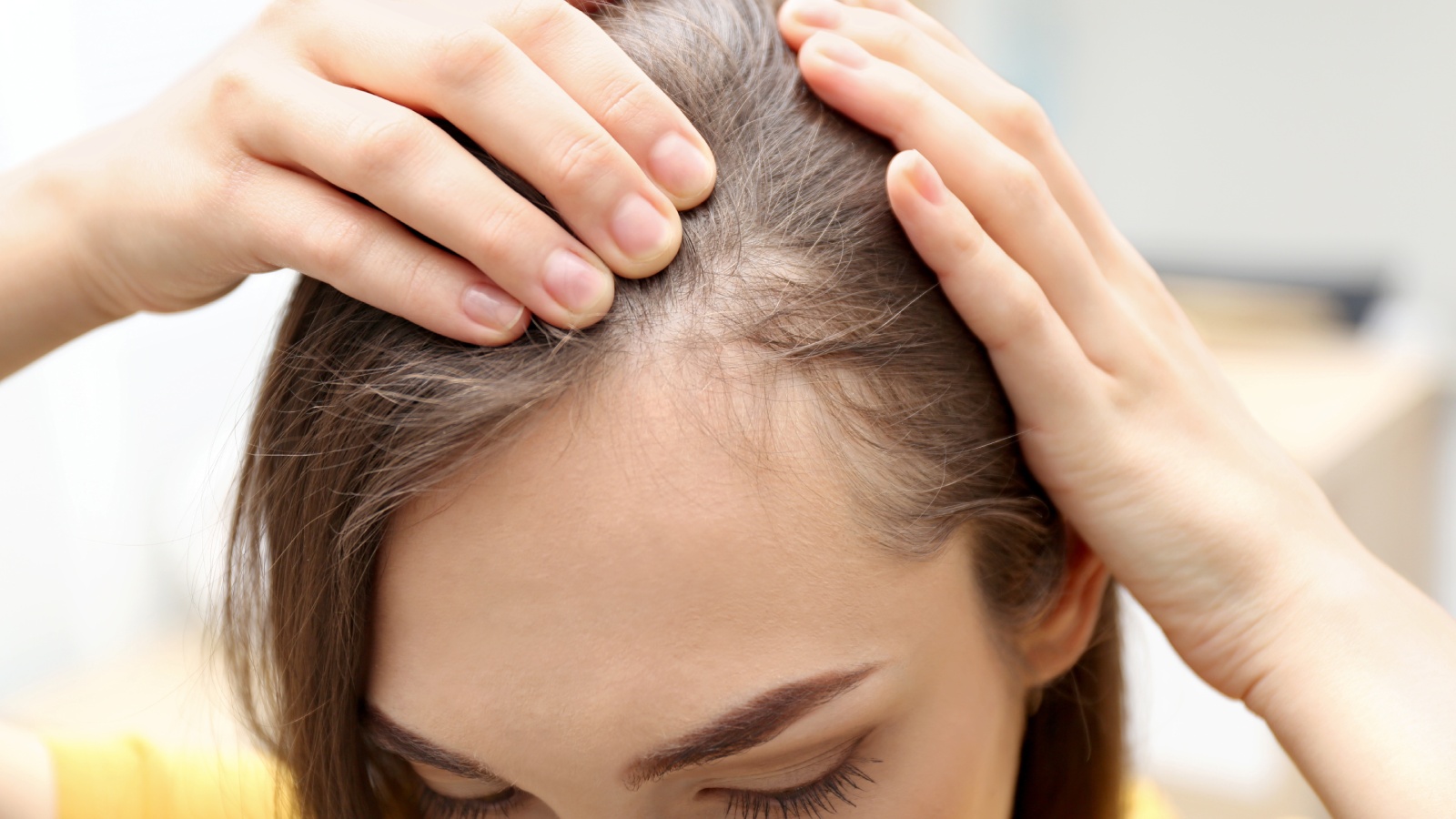
Hair thinning in women is common, yet it often feels deeply personal and isolating. You may notice more hair in the shower, a widening parting, or a ponytail that feels lighter than it used to. While it’s tempting to focus on external treatments, hair health almost always begins internally.
Your hair follicles are metabolically active structures. They respond to nutrient status, hormonal balance, stress levels and overall energy availability. When one of these foundations becomes compromised, shedding can increase, and growth can slow.
Understanding the root cause allows you to respond strategically rather than reactively.
Understanding your hair growth cycle
Your hair grows in three distinct cycles:
- Anagen: The active growth phase, lasting several years
- Catagen: A short transitional phase
- Telogen: The resting phase before shedding
At any given time, around 85–90% of your hair should be in the growth phase. However, stress, illness, calorie restriction, nutrient depletion or hormonal disruption can push more follicles into the telogen phase prematurely. When this happens, shedding increases several weeks or even months after the original trigger.
This condition, known as telogen effluvium, is one of the most common causes of diffuse hair thinning in women. The key is to identify and address the trigger rather than react in panic.
Iron deficiency
Iron deficiency remains one of the most common nutritional causes of hair thinning in women, particularly in those with heavy menstrual bleeding or restrictive diets.
Iron supports normal oxygen transport in your blood, which is essential for active hair follicles. Hair follicles are metabolically active and need oxygen and nutrients to remain in the growth phase.
When ferritin levels fall too low, your body prioritises essential organs over hair production.
Importantly, hair thinning can occur even without full anaemia. Suboptimal ferritin levels can disrupt your growth cycle. Women with heavy periods are particularly at risk.
If testing confirms low iron stores, a gentle bioavailable form is preferable. Iron bisglycinate supplements are often gentler on digestion.
TERRANOVA Easy Iron Complex provides iron bisglycinate alongside wholefood cofactors to support absorption while remaining kind to digestion. Alternatively, Viridian Liquid Iron combines iron with vitamin C, which enhances uptake.
Thyroid health
Thyroid hormones regulate metabolic rate and influence how quickly cells divide. Hair follicles depend on this metabolic signalling to remain in the growth phase. Even a mild thyroid imbalance may contribute to thinning hair, dry skin, cold sensitivity and fatigue.
Nutrients, including iodine, selenium and zinc, contribute to normal thyroid function. Selenium is particularly important for the conversion of thyroid hormones into their active form.
LAMBERTS Selenium 200µg provides selenium in a well-absorbed form to support normal thyroid function. Broader thyroid-support blends, like BioCare Thyroid Complex, combine synergistic nutrients for comprehensive support.
If you suspect thyroid imbalance, blood testing is essential before supplementing with iodine.
Protein and amino acids
Hair is primarily composed of keratin, a structural protein. If your overall protein intake is too low, hair growth slows. Your body will always prioritise vital organs over cosmetic tissues.
Aim for at least 1-1.2 grams of protein per kilogram of your body weight daily, more if you’re active. Include eggs, fish, lentils or quality protein powders. Spread protein evenly across your meals to support steady amino acid availability.
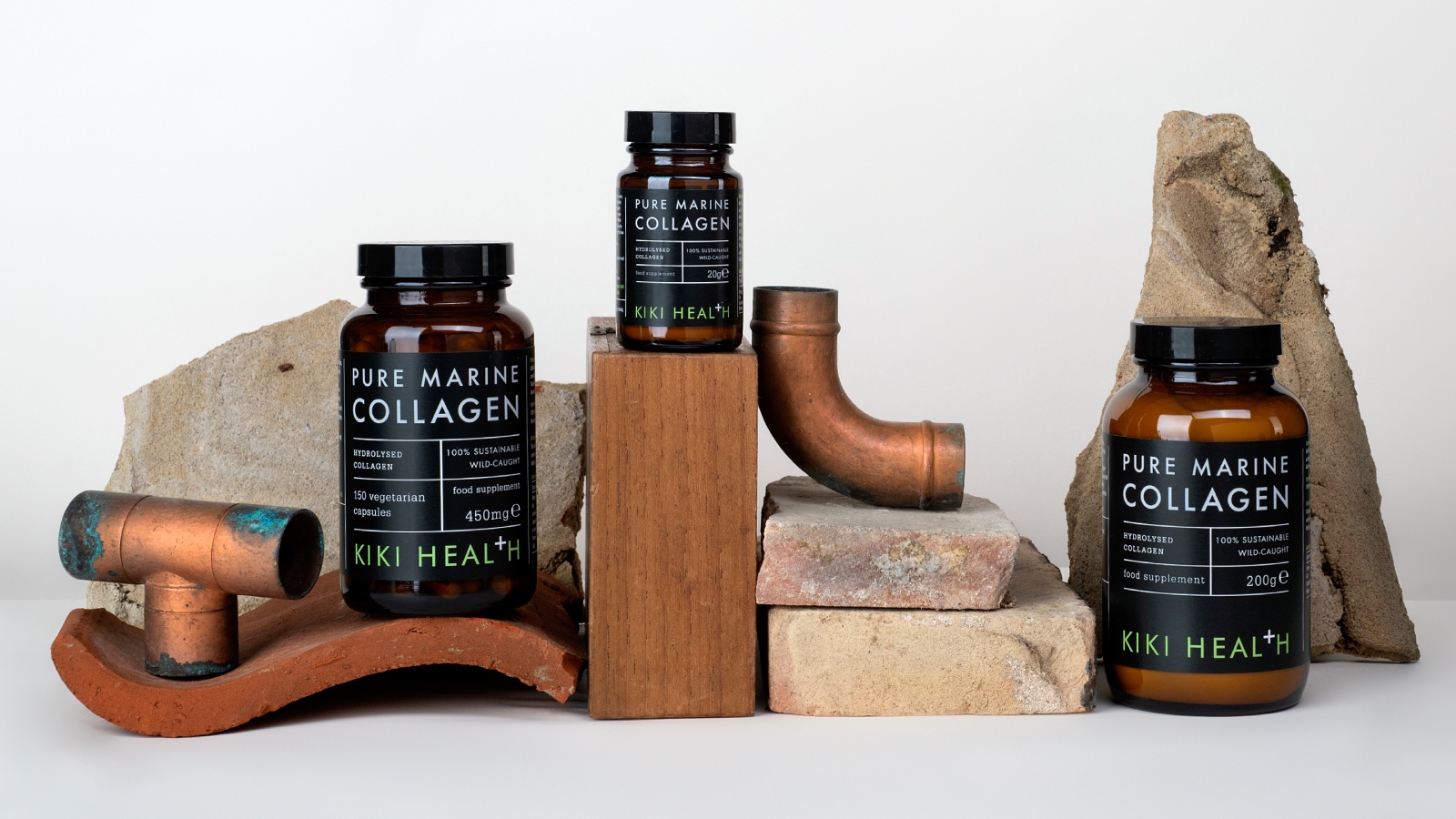
Collagen provides glycine and proline, amino acids involved in connective tissue integrity. KIKI Health Pure Marine Collagen Powder offers a clean, single-ingredient source that can be added to smoothies or yoghurt. Vitamin C enhances collagen formation, so pairing collagen with a vitamin C-rich food enhances its benefits.
Adequate calorie intake also matters. Chronic under-eating is a common yet overlooked trigger for shedding.
Protein powders, whether whey-based or plant-based, can help bridge gaps where appetite or time is limited.
Hormonal influences
Hair follicles are sensitive to androgens such as testosterone. In genetically susceptible women, androgens can gradually shrink follicles, leading to thinner strands over time. This pattern is known as androgenic alopecia.
Oestrogen tends to support hair growth. That is why many women experience thicker hair during pregnancy, when oestrogen levels are higher.
Blood sugar balance plays a role here. Frequent insulin spikes may increase androgen activity. Stabilising blood sugar with regular, protein-rich meals, fibre and healthy fats supports hormonal balance.
Magnesium and omega-3 fatty acids may further support metabolic and inflammatory regulation.
Stress and hair loss
Chronic stress elevates cortisol levels. Elevated cortisol can push follicles into the resting phase prematurely. The result is increased shedding several months after periods of emotional or physical stress.
Nutrients that support the stress response include magnesium, vitamin C and B vitamins. Adaptogenic herbs such as ashwagandha may also support resilience.
Viridian Organic Ashwagandha Extract provides a standardised adaptogen that may help support stress adaptation. Magnesium complexes from brands such as TERRANOVA can support nervous system regulation alongside sleep and recovery.
However, supplementation cannot replace lifestyle foundations. Adequate calories, regular meals and restorative sleep are essential.
Hair recovery is rarely immediate. It reflects your internal environment over time.
Key nutrients for healthy hair
- Iron supports normal oxygen transport in your blood, which is essential for active hair follicles. Low ferritin levels are common in women and may disrupt your hair growth cycle, even without anaemia. TERRANOVA Easy Iron Complex provides iron bisglycinate with supportive wholefood cofactors for absorption. Maintaining healthy iron stores may help support normal hair growth as part of a targeted plan.
- Zinc contributes to normal hair, skin and nails and supports cell division. Suboptimal zinc intake may affect follicle repair and scalp balance. LAMBERTS Zinc 15mg provides a well-absorbed form suitable for ongoing support. Adequate zinc status helps maintain healthy hair structure within a balanced nutritional strategy.
- Vitamin D plays a role in cell division and immune regulation. Low vitamin D status is common in the UK due to limited sun exposure. BetterYou D1000 IU Oral Spray provides an easy-to-use option that supports your immune function and overall health. Maintaining adequate vitamin D levels may support hair follicle cycling as part of a broader strategy.
- Omega-3 fatty acids support inflammatory balance and healthy cell membranes. A balanced scalp environment creates better conditions for optimal hair growth. Solgar Omega-3 Double Strength delivers concentrated EPA and DHA to support systemic balance. Including omega-3 as part of your routine may help maintain scalp and follicle health over time.
- Biotin contributes to normal macronutrient metabolism and supports keratin infrastructure. While true deficiency is rare, ensuring you have enough biotin can help maintain hair strength and resilience as part of a balanced nutrient intake. f you want targeted support, Viridian Biotin offers a convenient standalone option. You may also prefer comprehensive hair formulas from brands such as TERRANOVA, which combine biotin with zinc and other supportive nutrients for a more integrated strategy.
Choose high-quality supplements with clean sourcing and transparent ingredient lists.
A food-first strategy for stronger hair

Supplements can be helpful, but they work best when your daily nutrition provides a strong foundation. Hair growth is energy-dependent. If your body perceives stress, under-fuelling or nutrient gaps, it will prioritise survival over cosmetic tissues.
Start with protein. Aim for approximately 1.2–1.5 grams per kilogram of body weight daily, distributed evenly across meals. Include eggs, Greek yoghurt, poultry, tofu, lentils or high-quality protein blends to ensure consistent amino acid availability.
Iron intake is equally important. Red meat provides highly bioavailable haem iron, while lentils, beans and leafy greens offer plant-based options. Pair plant iron sources with vitamin C-rich foods such as peppers, berries or citrus fruit to improve absorption.
Omega-3 fats support scalp health and inflammatory balance. Include oily fish such as salmon or mackerel twice weekly, or add flaxseeds, chia seeds and walnuts to meals. Healthy fats from olive oil, avocado and nuts also support hormone production.
Zinc-rich foods such as pumpkin seeds, shellfish, beef and cashews contribute to normal hair maintenance. Vitamin D remains difficult to obtain from food alone in the UK, but including eggs and oily fish supports overall intake.
Finally, avoid chronic under-eating. Restrictive dieting is a common but overlooked trigger for shedding, often appearing two to three months after a calorie deficit. Consistent energy intake, balanced meals and regular eating patterns create the internal environment hair follicles need to thrive.
Hair responds to stability. When your nutrition is steady, sufficient and varied, regrowth becomes far more likely over time.
Hair thinning is rarely caused by a single factor. More often, it reflects a combination of nutrient status, hormonal balance, stress load and overall energy availability.
Start with the foundations. Prioritise adequate protein, iron-rich foods, healthy fats and consistent calorie intake. Support blood sugar balance with regular meals and fibre-rich carbohydrates. Protect sleep and manage stress deliberately, as cortisol plays a direct role in the hair cycle.
Targeted supplementation can then complement these foundations. Iron may help if ferritin is low. Zinc and biotin support normal hair maintenance. Vitamin D contributes to healthy cell division. Omega-3 supports scalp and inflammatory balance. Adaptogens and magnesium may help if stress is a significant driver.
What matters most is consistency. Hair growth is slow by nature, and visible improvements often take three to six months. When you support your body steadily rather than react urgently, follicles are far more likely to return to a healthy growth phase.
Your hair is not failing you. It is responding to your internal environment. Strengthen that environment, and regrowth often follows.
Medical Disclaimer:
Food supplements should not be used as a substitute for a varied and balanced diet and are not intended to diagnose, treat, cure or prevent any ailments.
This website contains general information about food supplements. The information is not advice and should not be treated as such. All content, including text, graphics, images and information available through this website, is for general information purposes only. bodykind makes no representation and assumes no responsibility for the accuracy of the information available through this website, and such information is subject to change without notice.
bodykind does not recommend, endorse or make any representation about the efficacy, appropriateness or suitability of any specific tests, products, procedures, treatments or other information that may be contained on or available through this website.
You must not rely on the information on this website as an alternative to medical advice from your doctor or other professional healthcare providers. You should consult your doctor or other professional healthcare providers if you have any specific questions about any medical matter. You should seek immediate medical attention if you think you may be suffering from any medical condition. You should never delay seeking medical advice, disregard medical advice, or discontinue medical treatment because of information on this website.

Comments are closed here.