The Power of Nutrition in Pregnancy and Beyond
Embarking on your journey of pregnancy and breastfeeding is akin to preparing for the most rewarding marathon of your life. Nutrition, the cornerstone of this adventure, plays a pivotal role in not only shaping your health but also the wellbeing of your little one. It’s about more than just eating for two; it’s about nurturing two lives with every bite.

Contents
- Why should you focus on your dietary choices during pregnancy and beyond?
- What nutrients do you need during pregnancy?
- How can you incorporate these nutrients into your diet?
- Eating for two: Myth or reality?
- How can you manage cravings and aversions?
- Are there any special considerations in pregnancy nutrition?
- Can supplements provide the nutritional support you need?
- Are there any foods and drinks to avoid during pregnancy?
- How do you ensure you get the right nutrients while breastfeeding?
- What are common challenges when pregnant or breastfeeding?
- How can you build a support system to help you maintain a nutritious diet?
- What are the first steps in adapting your diet for pregnancy and breastfeeding?
Why should you focus on your dietary choices during pregnancy and beyond?
During pregnancy, your nutritional intake is the primary source of your baby’s sustenance, directly influencing their growth, health, and developmental milestones.
Similarly, if you choose to breastfeed your baby, your diet supports their nutritional needs through breast milk, which adapts its composition based on what you consume.
Optimal nutrition during these stages can help to:
- Support foetal development: The right balance of vitamins, minerals, and overall nutrition can significantly impact the development of your baby’s organs, brain and body.
- Enhance maternal health: Adequate nutrition helps you manage pregnancy symptoms, maintain energy levels and recover more swiftly postpartum.
- Establish long-term health benefits: Emerging evidence suggests that your pregnancy diet can influence your child’s health into adulthood, impacting their risk of developing chronic conditions.
How can the right nutrition impact you and your baby?
Your dietary choices can be a powerful tool in ensuring the healthiest start for your baby while also keeping you strong and resilient.
Following a diet rich in folic acid reduces the risk of neural tube defects in babies.
Adequate iron intake prevents anaemia, a common condition in pregnancy that can lead to fatigue and increased risk of infections.
A balanced diet helps in managing gestational diabetes, ensuring both your and your baby’s wellbeing. The benefits extend beyond physical health. Proper nutrition supports your emotional and mental wellbeing, helping you navigate the emotional rollercoaster that can accompany pregnancy and the postpartum period.
What nutrients do you need during pregnancy?
Your body becomes a nurturing ground for your baby’s growth, necessitating an increased intake of certain nutrients.
- Folic acid: Crucial for preventing neural tube defects in the early stages of pregnancy.
- Calcium: Essential for building your baby’s bones and teeth.
- Iron: Supports the development of the placenta and fetus and helps your blood carry oxygen to your growing baby.
Why is folic acid crucial?
Folic acid (folate when found naturally in foods) is a superhero in your baby’s early development. It’s known for helping to reduce the risk of neural tube defects, such as spina bifida.
The advice from healthcare professionals is to start taking a daily supplement of 400mcg of folic acid before you’re pregnant (when you’re trying to conceive) and continue it through the first 12 weeks of pregnancy.
You can find folate in green leafy vegetables, beans, peas and some fortified foods. Sprinkling these foods into your meals adds flavour and provides the folate boost your body needs.
How does calcium contribute to development?
Calcium helps your baby’s tiny bones form and grow stronger each day. During pregnancy, it’s important you consume enough calcium through your diet or supplementation as your body requires more than usual.
Dairy products like milk, cheese and yoghurt are rich in calcium. If you’re dairy-free, fortified plant milks, almonds and green leafy vegetables are excellent sources. Incorporating these into your diet supports your baby’s skeletal development and safeguards your bone health.
Why are iron requirements heightened during pregnancy?
It’s important not to overlook the importance of iron intake during pregnancy. It plays a critical role in making haemoglobin, the protein in red blood cells that carries oxygen to your tissues. During pregnancy, your blood volume increases up to 50%, boosting your iron requirement.
Lean meats, poultry, fish and leafy green vegetables are fantastic sources of iron. Pair these with vitamin C-rich foods like oranges, strawberries or bell peppers to enhance iron absorption and add a refreshing twist to your meals.
How can you incorporate these nutrients into your diet?
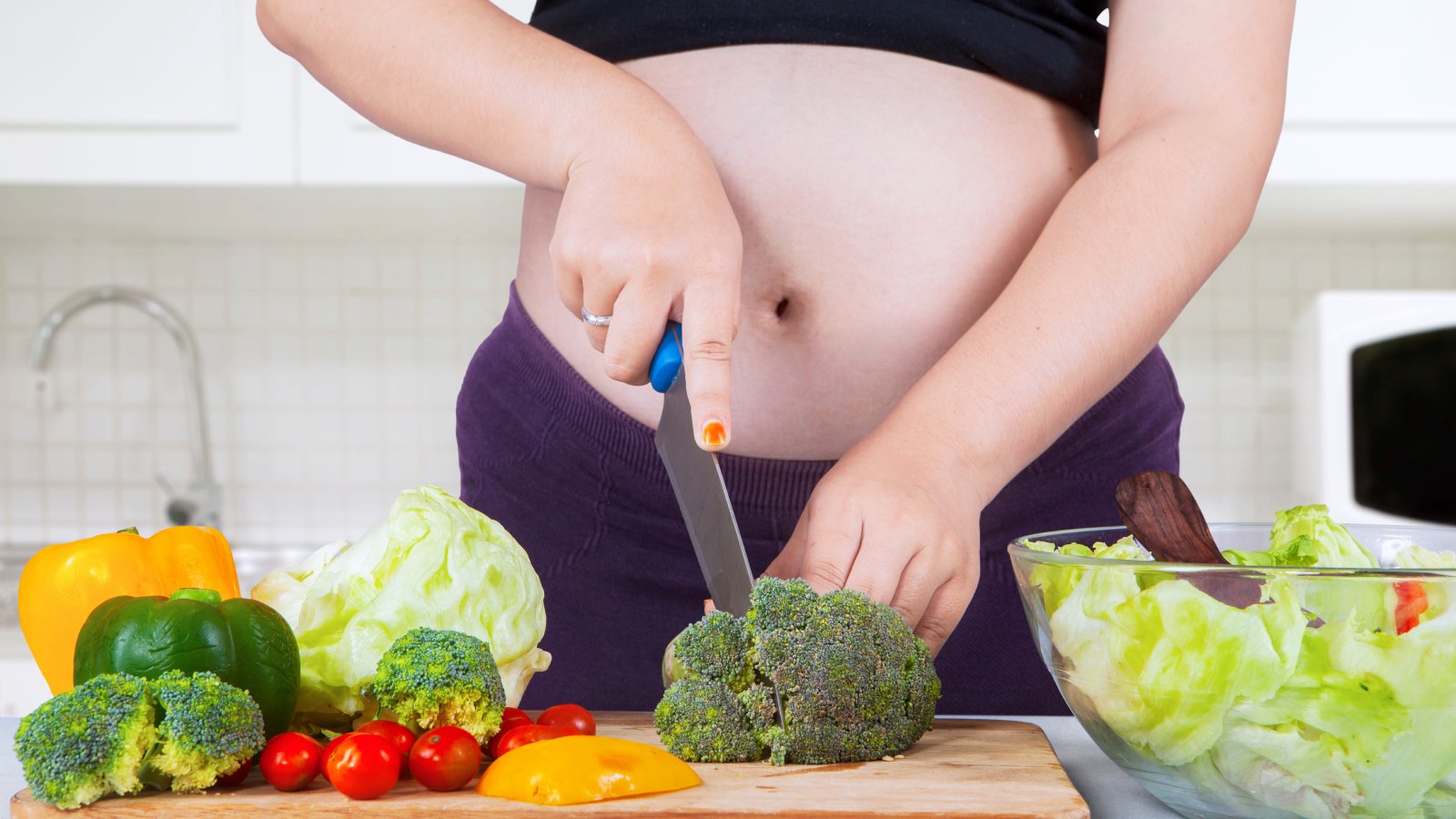
Understanding the importance of these nutrients is one thing; incorporating them into your daily diet is another. Here are some simple, practical tips to ensure you’re getting enough:
- Start your day with a folate boost: Think spinach in your morning omelette or fortified cereal with a glass of orange juice.
- Calcium-rich snacks: Enjoy yoghurt or almond butter on wholegrain toast as a midday snack.
- Iron-packed dinners: Create a stir-fry with lean beef, broccoli and bell peppers for a dinner that ticks all the boxes.
Remember, some nutrients such as folic acid, are best taken as a supplement to ensure the right amount. Always consult with your healthcare provider before starting any new supplements.
Eating for two: Myth or reality?
As soon as you announce your pregnancy, advice will likely pour in from all corners. Among the most common pearls of wisdom is the age-old adage that you’re eating for two now.
But what does that actually mean for you and your baby? Is doubling your intake necessary, or is it a well-meaning myth?
Whilst it’s true your nutritional needs increase during pregnancy, they don’t double. The concept of eating for two is more about quality than quantity. Your body becomes more efficient during pregnancy, making the most of the nutrients you consume. Therefore, the focus should be on nutrient-dense foods that provide you and your baby with the right kind of nourishment.
How much extra energy do you need?
During your first trimester, you might be surprised to learn that you don’t need any extra calories at all. However, as you progress into the second and third trimesters, the additional energy requirement is only about 200-300 calories a day. To put this into perspective, that’s roughly equivalent to a slice of whole-grain toast with avocado or a small banana smoothie.
Balanced eating during pregnancy
Balanced eating during pregnancy isn’t drastically different from a healthy eating plan at any other time, but it does place a spotlight on certain nutrients that support foetal development and your health.
Your meals should be a colourful array of fruits and vegetables, whole grains, lean proteins and healthy fats.
- Fruits and vegetables: Rich in vitamins, minerals and fibre, aim for a variety of colours to maximise your nutrient intake.
- Whole-grains: Choose whole-grain bread, pasta and cereals for sustained energy and essential B vitamins.
- Lean proteins: Opt for lean meats, poultry, fish, eggs and plant-based sources like beans and lentils to support tissue and muscle development.
- Healthy fats: Incorporate sources of unsaturated fats like avocado, nuts, seeds and olive oil for brain development.
How can you manage cravings and aversions?
Cravings during pregnancy are intense desires for specific foods, often peculiar or non-nutritious, and are a common experience for many expectant mothers. These cravings can be attributed to hormonal changes, nutritional deficiencies, or emotional needs, and they vary widely and you may not experience cravings during your pregnancy at all.
However, pregnancy can turn your food preferences on their head. One day you might crave pickles and the next, the thought of them could make your stomach turn. Here are some tips to navigate these changes:
- Listen to your body, but aim for balance. If you’re craving sweets, try pairing a small amount with a nutritious snack, like fruit with a dollop of yoghurt.
- Keep healthy snacks on hand to mitigate the urge to indulge in less nutritious cravings.
- If you’re experiencing aversions to certain smells or tastes, don’t force it. Find alternative sources of the nutrients you’re missing from those foods.
Eating for two underscores the importance of mindful, nutritious eating. By focusing on quality and balance, you’ll provide both yourself and your baby with the necessary nutrients to thrive during these nine transformative months.
Are there any special considerations in pregnancy nutrition?
When you’re pregnant, your body undergoes a myriad of changes, and so do your nutritional needs.
Adapting your diet to meet these changes is crucial, not just for your health but for the healthy development of your baby. However, if you follow a special diet due to personal choice or health conditions, like being vegan or having coeliac disease, you might need to consider more carefully how you can meet your and your baby’s nutritional needs effectively.
If you’re vegan or vegetarian, you might worry about getting enough protein, iron, calcium and vitamin B12 – vital nutrients during pregnancy that are commonly found in animal products.
- Protein can be sourced from lentils, beans, quinoa and tofu, which are fantastic plant-based options.
- Iron needs can be met by consuming dark leafy greens, legumes, and fortified cereals, though pairing these with vitamin C-rich foods like oranges or bell peppers can enhance absorption.
- Calcium is abundant in fortified plant milks, tahini and almonds.
- Vitamin B12, which is crucial for nervous system development, is one nutrient that might require supplementation, as it is primarily found in animal products.
If you suffer from coeliac disease, ensuring your diet is free from gluten while still getting all necessary nutrients means focusing on whole, naturally gluten-free foods like fruits, vegetables, meat, fish, rice and potatoes. Gluten-free grains such as quinoa and buckwheat are excellent for variety and nutrition.
Can supplements provide the nutritional support you need?
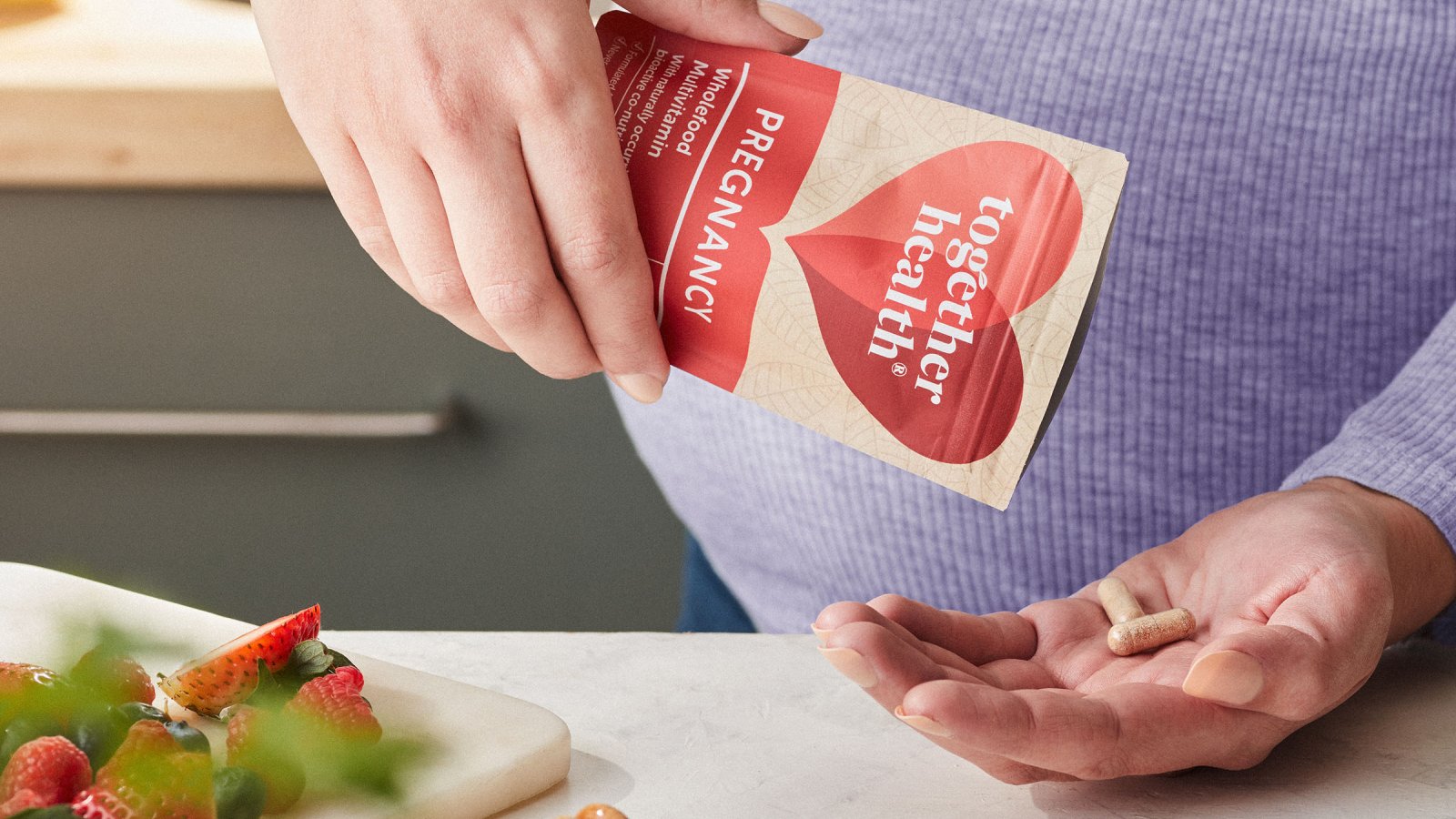
Even with a well-planned diet, some nutrients might require supplementation to meet the increased demands of your pregnancy.
- Folic acid is perhaps the most well-known supplement recommended for pregnant women, vital for preventing neural tube defects. A daily supplement of 400mcg is recommended before conception and during the first 12 weeks of pregnancy.
- Vitamin D is another essential supplement to support your immune function and bone health. With limited sun exposure, a daily supplement containing 10mcg is advisable.
- Iron supplements may be necessary if your blood tests show you’re anaemic, a common condition during pregnancy. However, you should consult your healthcare provider before starting any new supplements.
Brands like Together Health, Neubria and Wild Nutrition offer specific pregnancy multi-nutrients to meet all your nutritional needs.
Are there any foods and drinks to avoid during pregnancy?
It’s equally important to know which foods to avoid or limit during pregnancy to reduce the risk of foodborne illnesses and other health risks.
- Unpasteurised milk and dairy products can contain harmful bacteria, such as listeria. Listeria can cause an infection called listeriosis. Avoid soft unpasteurised cheeses such as feta, goat’s cheese, brie or camembert.
- Certain types of fish high in mercury, like shark, swordfish and king mackerel, should be avoided. It’s beneficial to include low-mercury fish like salmon and sardines, which are high in omega-3 fatty acids, however, you should eat no more than two portions of oily fish a week.
- Undercooked or raw meat and eggs should be avoided due to the risk of salmonella and other infections. Look for eggs that are British Lion hen eggs or hen eggs produced under the Laid in Britain scheme.
- Caffeine intake should be limited during pregnancy to no more than 200mg per day. Regularly drinking more than this amount can increase your risk of pregnancy complications.
- Alcohol intake during pregnancy can lead to long-term harm to your baby. If you’re pregnant or planning to get pregnant, the safest approach is to not drink alcohol at all.
Ensuring you’re getting all the necessary nutrients while managing dietary restrictions and being mindful of foods to avoid lays a solid foundation for a healthy pregnancy and baby. Remember, your healthcare provider or a registered dietitian can offer personalised advice, ensuring you navigate this special time with confidence and good health.
How do you ensure you get the right nutrients while breastfeeding?

Breastfeeding nourishes your baby and sets the foundation for their health in years to come. But let’s not forget about you in this equation. Your body has done something incredible and needs all the support possible to recover and thrive. So, how do you ensure you’re getting the right nutrients to support your health and your baby’s?
How can you promote a healthy milk supply?
First things first, hydration is essential. Your body needs extra fluids to produce milk. But it’s not just about water; your diet plays a crucial role too. Focus on whole foods rich in vitamins, minerals and essential fatty acids.
Stay hydrated
Drinking plenty of fluids is crucial when breastfeeding. Your body needs extra fluids to produce milk, so aim for at least 8-10 glasses of water every day.
But, it’s important to listen to your body too. Drink when you’re thirsty, and consider including soups, smoothies and milk in your fluid intake to keep things interesting.
A simple yet effective way to check if you’re drinking enough is to pay attention to the colour of your urine; it should be pale yellow.
Foods to support your milk supply
- Whole-grains: Think oats, brown rice and quinoa. Not only are they packed with energy, but oats are also known to have a positive effect on milk supply.
- Leafy greens: Spinach, kale and other leafy greens are high in calcium, iron, and folate, making them a powerhouse for lactating mothers.
- Lean proteins: Incorporate a variety of sources, including chicken, fish, beans and lentils, to support tissue repair and maintain energy levels.
- Nuts and seeds: Almonds and flaxseeds are great for snacking and provide essential fatty acids and calcium.
Embarking on the journey of motherhood brings with it a profound responsibility – not only to care for a new life but also to nurture yourself in the process. Prioritising your nutrition during and after pregnancy is not just about eating for two; it’s about laying the foundation for your health and the health of your baby. Nutritional choices you make now can have long-lasting effects for you both.
A well-balanced diet during pregnancy supports your baby’s development and growth and can reduce the risk of pregnancy complications. Similarly, nutritious eating during lactation influences the quality of your breast milk and helps you recover from childbirth. It’s important to remember that your body has just accomplished something incredible, and it needs the right nutrients to heal and grow strong.
What are common challenges when pregnant or breastfeeding?
Pregnancy and postpartum are transformative periods in your life, emotionally, physically and nutritionally. You might find yourself navigating new challenges, from gestational diabetes to managing postpartum weight. But there are practical, evidence-based strategies to help you manage these common issues to ensure you and your baby thrive.
Gestational diabetes: managing blood sugar through diet
Gestational diabetes affects many pregnancies and can feel overwhelming, but you can manage your blood sugar levels effectively with the right diet.
- Focus on complex carbohydrates: Swap simple sugars and refined carbs for whole grains, legumes and vegetables. These foods have a lower glycaemic index, helping maintain stable blood sugar levels.
- Incorporate lean protein: Adding a source of lean protein to each meal can help slow down glucose absorption into the bloodstream.
- Choose healthy fats: Avocados, nuts and seeds are nutritious, and their fats help regulate blood sugar spikes.
Remember, managing gestational diabetes is not just about eliminating sugar; it’s about creating a balanced plate that supports your and your baby’s health.
Postpartum weight management: a gentle approach
After giving birth, you might be eager to return to your pre-pregnancy weight. It’s important to approach this goal with patience and kindness towards yourself.
- Nourish your body: Focus on foods that are rich in nutrients and give you energy. Your body needs adequate nutrition to recover from childbirth and possibly support breastfeeding.
- Stay hydrated: Drinking plenty of water can help with weight management and is especially important if you’re breastfeeding.
- Listen to your hunger cues: Eating in response to hunger, rather than a strict calorie limit, can promote more sustainable weight management.
Remember, your body has done something incredible, and it’s okay to take your time returning to your pre-pregnancy weight.
Navigating nausea, constipation, and fatigue through diet
These common pregnancy symptoms can be challenging, but addressing them through diet can offer relief.
Nausea:
- Eat small, frequent meals: Large meals can exacerbate nausea, so opt for smaller portions spread throughout the day.
- Ginger: This is a time-tested remedy for morning sickness. Ginger tea or even ginger biscuits can help soothe your stomach.
Constipation:
- Increase fibre intake: Foods high in fibre, such as fruits, vegetables, and whole-grains, can help keep things moving.
- Stay hydrated: Water helps fibre do its job, easing constipation.
Fatigue:
- Iron-rich foods: Iron deficiency is common in pregnancy and can lead to fatigue. Incorporate iron-rich foods like spinach, lentils and, if you’re not vegetarian or vegan, red meat.
- Complex carbohydrates: Foods like oats, brown rice and sweet potatoes release energy slowly, helping combat fatigue.
Concerns about milk supply
Incorporate galactagogues (foods known to increase milk supply) like fenugreek, garlic and ginger into your diet, but always consult a healthcare provider before trying supplements.
Dietary restrictions
If you’re vegan or have other dietary limitations, consider consulting a nutritionist to ensure you’re getting all the necessary nutrients. Supplements, especially vitamin B12, calcium and omega-3 fatty acids, might be beneficial.
If you’re feeling overwhelmed by dietary advice, focus on balance and variety. No single food will make or break your diet, but a wide range of nutrients will support you and your baby.
How can you build a support system to help you maintain a nutritious diet?

No one should navigate the complexities of pregnancy and postpartum nutrition alone. Building a support system can significantly impact your ability to maintain a healthy diet.
- Seek advice from healthcare professionals: A dietitian or nutritionist specialising in prenatal and postnatal care can provide personalised advice that considers your health history and dietary needs.
- Lean on your community: Whether it’s your partner, family, or friends, involve them in your nutritional journey. They can offer practical support, like preparing meals or joining you in healthy eating habits.
- Connect with others: Joining groups, in person or online, can offer invaluable support. Sharing experiences and tips with those in similar situations can provide both emotional and practical benefits.
What are the first steps in adapting your diet for pregnancy and breastfeeding?
Adapting your diet for pregnancy and breastfeeding might seem daunting, but by breaking it down into manageable steps, you can ensure you and your baby are getting the necessary nutrients.
- Focus on variety: Ensure your diet includes a wide range of fruits, vegetables, whole-grains, lean proteins and healthy fats. Variety not only helps cover all nutritional bases but also keeps meals interesting.
- Stay hydrated: Drinking enough water is crucial, especially when breastfeeding. Aim for at least 8-10 glasses a day, more if you’re exercising or it’s hot.
- Consider supplements wisely: While a balanced diet is essential, supplements like folic acid during pregnancy and vitamin D when breastfeeding are vital. Always consult with a healthcare provider before starting any supplement regimen.
Remember, your nutritional needs are unique and what works for one person may not work for you. It’s about finding a balance that supports your body through these life-changing stages.
Most importantly, appreciate that your body has done something extraordinary and deserves all the care and nourishment you can provide. By focusing on a balanced diet and staying hydrated, you’re supporting your baby’s health and taking vital steps towards your recovery and wellbeing. Listen to your body, seek support when needed and embrace this special time with your baby.
Medical Disclaimer:
Food supplements should not be used as a substitute for a varied and balanced diet and are not intended to diagnose, treat, cure or prevent any ailments.
This website contains general information about food supplements. The information is not advice and should not be treated as such. All content, including text, graphics, images and information available through this website, is for general information purposes only. bodykind makes no representation and assumes no responsibility for the accuracy of the information available through this website, and such information is subject to change without notice.
bodykind does not recommend, endorse or make any representation about the efficacy, appropriateness or suitability of any specific tests, products, procedures, treatments or other information that may be contained on or available through this website.
You must not rely on the information on this website as an alternative to medical advice from your doctor or other professional healthcare providers. You should consult your doctor or other professional healthcare providers if you have any specific questions about any medical matter. You should seek immediate medical attention if you think you may be suffering from any medical condition. You should never delay seeking medical advice, disregard medical advice, or discontinue medical treatment because of information on this website.

Comments are closed here.