Beyond the Quick Fix: Why cellular energy changes everything
In this fast-paced modern world, the quest for ‘more energy’ is often met with short-term solutions: an extra espresso, sugary snacks, or high-caffeine energy drinks. While these provide a temporary spike, they often lead to the inevitable ‘crash’, leaving your system more depleted than before.

Contents
Here, Together Health explain that to achieve true, sustained vitality, you need to look past the quick fix. You need to understand the biological mechanisms that power your body. Real energy isn’t just about feeling ‘awake’; it’s a product of efficient cellular function and nutritional synergy.
The powerhouse within – understanding ATP
Every movement you make and every thought you process, is fueled by Adenosine Triphosphate (ATP). Often referred to as the ‘energy currency’ of the cell, ATP is produced within your mitochondria, the microscopic powerhouses found in almost every cell in your body.
When your mitochondria are functioning optimally, you experience mental clarity and physical resilience. However, mitochondrial efficiency can be hindered by oxidative stress, poor diet, and lack of essential cofactors. Supporting these cellular engines is the first step toward reclaiming natural vitality.
Key nutrients for metabolic support
To convert the food you eat into usable ATP, your body requires a specific suite of micronutrients. Without these, the metabolic chain can become sluggish.
- B-Vitamin Complex: Vitamins B12, B6, and thiamine act as essential catalysts in energy metabolism. They help break down carbohydrates and fats, ensuring that the fuel you ingest is successfully converted into energy.
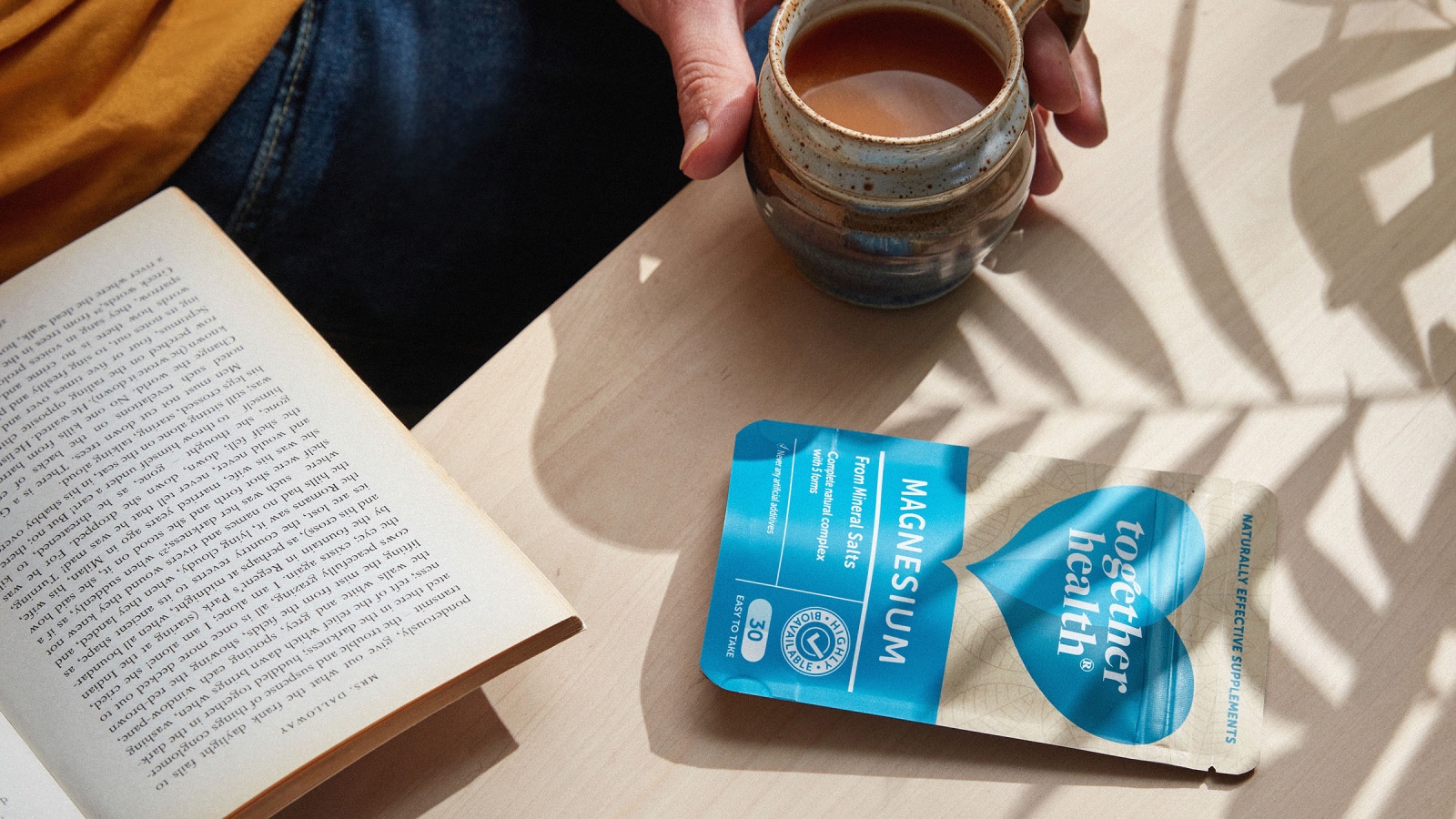
- Magnesium: This ‘master mineral’ is involved in over 300 biochemical reactions, including the very creation of ATP. Magnesium binds to ATP to make it biologically active; without it, your energy ‘currency’ simply cannot be spent.
- Coenzyme Q10 (CoQ10): A potent antioxidant found in high concentrations within your heart and liver. CoQ10 lives inside your mitochondria and plays a critical role in the electron transport chain, which is the final stage of energy production.
- Iron: Vital for oxygen transport. Since oxygen is required for aerobic energy production, maintaining healthy iron levels is fundamental to preventing the heavy-limbed fatigue associated with low oxygenation.
The role of blood sugar balance
Sustained energy is as much about management as it is about production. When you consume high-GI carbohydrates, your blood glucose spikes, triggering an insulin surge and a subsequent ‘sugar crash’.
To maintain a steady flow of energy throughout your day, focus on a ‘slow-release’ approach. Combining complex carbohydrates with healthy fats and quality proteins slows the absorption of glucose, providing your mitochondria with a steady stream of fuel rather than an overwhelming flood.
Lifestyle pillars for vitality

While supplementation and nutrition provide the building blocks, your lifestyle choices determine how efficiently that energy is used.
- Optimise your circadian rhythm: Sleep is when your mitochondria undergo ‘autophagy’, a cellular cleaning process. Consistent sleep patterns ensure that your cellular machinery is repaired and ready for your day ahead.
- Hydration and electrolytes: Even mild dehydration can lead to a drop in blood volume, forcing your heart to work harder and creating a sense of systemic fatigue.
- Stress management: Chronic stress keeps your body in a ‘fight-or-flight’ state, which is energetically expensive. Practices that support your nervous system, such as mindful breathing or adaptogenic support, help preserve energy for vital functions rather than wasting it on perceived threats.
A holistic approach to energy
Natural vitality is not the result of a single ingredient, but rather a holistic harmony between nutrition, cellular health, and lifestyle habits. By nourishing your mitochondria and stabilising your metabolic health, you can move away from the cycle of exhaustion and towards a state of lasting, vibrant health.
Medical Disclaimer:
Food supplements should not be used as a substitute for a varied and balanced diet and are not intended to diagnose, treat, cure or prevent any ailments.
This website contains general information about food supplements. The information is not advice and should not be treated as such. All content, including text, graphics, images and information available through this website, is for general information purposes only. bodykind makes no representation and assumes no responsibility for the accuracy of the information available through this website, and such information is subject to change without notice.
bodykind does not recommend, endorse or make any representation about the efficacy, appropriateness or suitability of any specific tests, products, procedures, treatments or other information that may be contained on or available through this website.
You must not rely on the information on this website as an alternative to medical advice from your doctor or other professional healthcare providers. You should consult your doctor or other professional healthcare providers if you have any specific questions about any medical matter. You should seek immediate medical attention if you think you may be suffering from any medical condition. You should never delay seeking medical advice, disregard medical advice, or discontinue medical treatment because of information on this website.

Comments are closed here.