The Recharge Guide: How to beat the back-to-work slump naturally
Getting back into a routine after a more relaxed summer can feel like a big adjustment. Together’s Nutritionist Lola Biggs shares her simple tips for supporting your energy, nutrition and wellbeing as you settle back into everyday life.

Contents
- Getting back into a routine
- Eat with the season, not against it
- Top up your tank before it's empty
- Steady your stress response
- Guard your sleep as the light fades
- Book in your downtime like it's a meeting
- Look after screen-tired eyes
- Don’t forget vitamin D
- Create space for a fresh start
- Small changes can make a big difference
Getting back into a routine
The long light evenings, last-minute trips away and unplanned outdoor meals start to pack themselves away. The desk, the diary and the deadlines quietly take their place.
For a lot of us, that shift lands harder than we’d like to admit. The summer version of yourself, the one with energy to spare, can feel like a stranger by September.
The good news: the return to routine is much kinder when you meet it halfway. AA few small, deliberate habits can carry you through the change. Focus on what you eat, how you sleep and how you protect your downtime. Here’s where to start…
Eat with the season, not against it

Before reaching for anything in a bottle, look at what’s on your plate.
Autumn’s harvest more or less writes your shopping list for you – squash, leafy greens, roots, berries, nuts and seeds. Seasonal produce is often at its nutritional peak and tastes its best.
A weekly trip to a local market is a small ritual that nudges you towards cooking properly again. That matters more than any single ‘superfood’.
Choosing seasonal produce can also be a more sustainable way to shop.
Top up your tank before it’s empty
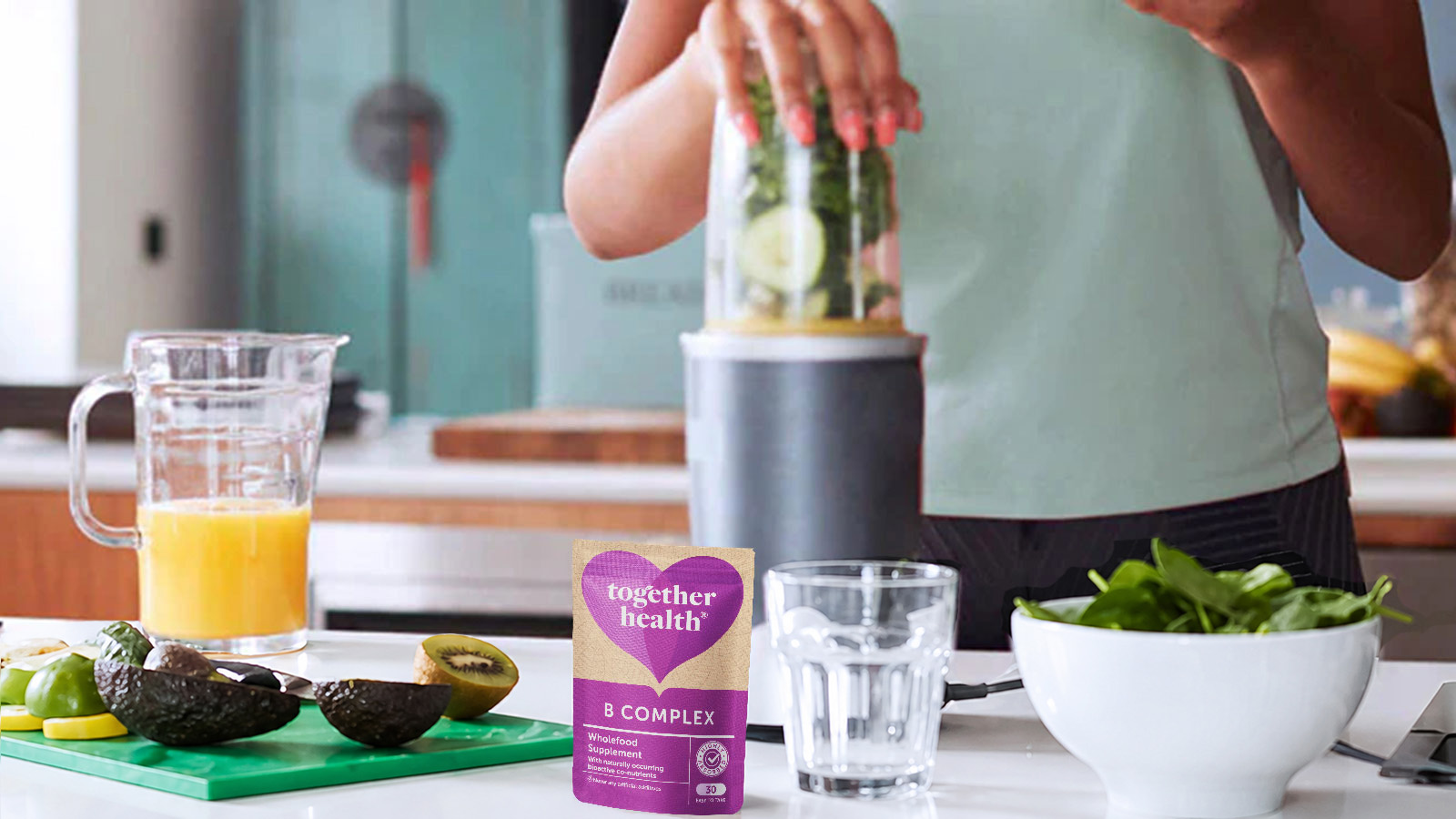
Even a good diet has gaps, and the back-to-work stretch is exactly when they show. This is the moment to give your body a head start rather than waiting until you’re already flagging.
Focus on nourishing whole foods and a wide variety of nutrients to support you through the busier months. Include plenty of colourful fruit and vegetables, alongside foods rich in nutrients such as B vitamins and antioxidants.
When life gets busy, whole food-based supplements can help fill nutritional gaps. Look for options containing B vitamins and a range of antioxidants. B vitamins in particular contribute to normal energy-yielding metabolism and help reduce tiredness and fatigue. This is no small thing when the mornings get darker and the to-do list gets longer. Pairing them with naturally occurring bioflavonoids keeps things closer to the form you’d find in food.
Steady your stress response
Longer stretches at a screen, tighter deadlines, fewer breaks on the horizon, all add up. Usually showing as tension, low mood and a general sense of running flat. Rather than white-knuckling through it, this is where certain botanicals have a long history of use.
Adaptogenic roots such as rhodiola and ashwagandha have a long history of traditional use during demanding periods. They’re valued for supporting a calmer, steadier kind of energy – no spikes, no crashes. Worth exploring as part of the wider picture, alongside the basics rather than instead of them.
Guard your sleep as the light fades
Here’s the quiet upside of autumn: as evenings draw in, your body clock naturally gets ready to wind down sooner. And sleep is your best friend when it comes to adjusting to a new routine.
The problem is that the pressure to make the most of daylight can override it. Suddenly, it’s 11pm, and you’re still scrolling.
Two simple anchors help; eating your last meal at a consistent time, and setting an actual bedtime rather than a vague intention.
A little structure here pays off across the whole day. Leave room for the odd late night, but let the default be an early one.
Book in your downtime like it’s a meeting
Without weekend breaks or holidays on the calendar for a while, the long working stretch can feel relentless. That’s why rest needs to be scheduled, not squeezed into whatever’s left over.
Treat clocking off with the same seriousness as clocking on. Whatever restores you – a walk, a swim, book, doing nothing at all – put it in your diary and protect that time. Unplanned rest has a way of never actually happening.
Look after screen-tired eyes

Nobody who’s spent an afternoon staring at spreadsheets needs convincing that screens take a toll. As the weather turns and the lunchtime walk becomes another hour at the desk, that daily digital demand only grows.
Nature offers support here through colourful plant pigments. These include lutein and zeaxanthin from marigold, and astaxanthin from certain seaweeds. These naturally occurring carotenoids have long attracted interest for their role in eye health.
A small, easy addition to your autumn line-up.
Don’t forget vitamin D
After a summer outdoors, your vitamin D stores should be in decent shape – but in the UK that doesn’t last. From roughly September through to April, sunlight isn’t strong enough for your skin to make enough vitamin D. This is why you might find it beneficial to top-up during darker months.
Vitamin D contributes to normal immune system function. Low levels are also commonly associated with feeling flat at this time of year. If you do supplement, a good-quality plant-sourced D at a sensible dose is the one to look for.
Better to keep the tank ticking over than to let it hit empty just as a new season begins.
Create space for a fresh start
Take some time to officially pack away summer and make room for the new season.
This could mean clearing out your wardrobe, organising your workspace or simply creating a calmer area at home where you can relax. A tidy environment can help create a sense of clarity and make it easier to focus on new projects and routines.
Never underestimate the benefits of clearing space, both physically and mentally.
Small changes can make a big difference
None of this is about overhauling your life overnight. Small, intentional choices – eating seasonally, covering nutritional gaps and protecting sleep – can help you arrive at your desk feeling ready rather than worn out.
Whatever the calendar’s doing, that’s a spring in your step worth having.
Medical Disclaimer:
Food supplements should not be used as a substitute for a varied and balanced diet and are not intended to diagnose, treat, cure or prevent any ailments.
This website contains general information about food supplements. The information is not advice and should not be treated as such. All content, including text, graphics, images and information available through this website, is for general information purposes only. bodykind makes no representation and assumes no responsibility for the accuracy of the information available through this website, and such information is subject to change without notice.
bodykind does not recommend, endorse or make any representation about the efficacy, appropriateness or suitability of any specific tests, products, procedures, treatments or other information that may be contained on or available through this website.
You must not rely on the information on this website as an alternative to medical advice from your doctor or other professional healthcare providers. You should consult your doctor or other professional healthcare providers if you have any specific questions about any medical matter. You should seek immediate medical attention if you think you may be suffering from any medical condition. You should never delay seeking medical advice, disregard medical advice, or discontinue medical treatment because of information on this website.

Comments are closed here.