Dealing with PMS, fertility, conception, and pregnancy presents unique challenges, but knowing how nutrition and lifestyle impact women’s health is crucial.


FEATURED ARTICLES
-

Beyond Hot Flashes: 10 changes you might not realise are menopause
Hot flashes might be the most recognisable sign of menopause, but they’re not the only change you may experience. Brain fog, aching joints, and changes to your skin, digestion, sleep and body composition can happen too.
-

The Search for Balance: Two journeys through menopause and adaptogen support
Discover two different menopause journeys and explore how adaptogens can form part of a personalised approach to wellbeing and balance.
-
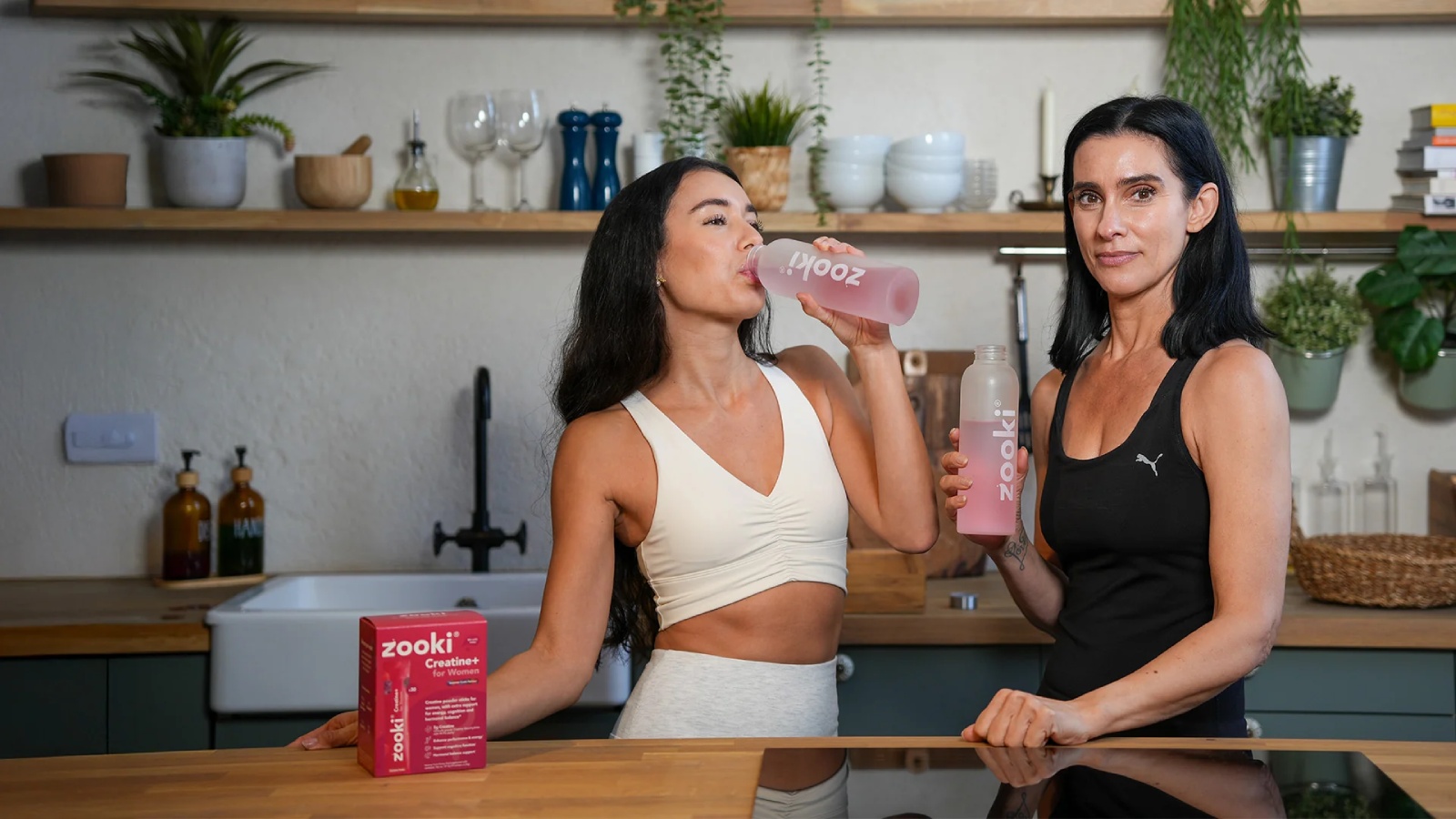
The Energy Upgrade: Why creatine is winning over women everywhere
Creatine is not just for athletes. Discover how creatine supports strength, brain health, energy and recovery in women.
OUR TOP TIPS
Get to know your cycle inside and out. It can help you anticipate and manage PMS symptoms, identify your fertile window, and understand your body’s rhythm for overall wellbeing.
Incorporate foods rich in omega-3 fatty acids, to help balance hormones and alleviate PMS symptoms. A balanced diet supports regular menstrual cycles and optimises your fertility.
Drinking enough water is crucial, especially during your period when you might feel bloated. Water helps to flush out toxins and can reduce bloating, improving your overall comfort.
.
BRAND FOCUS
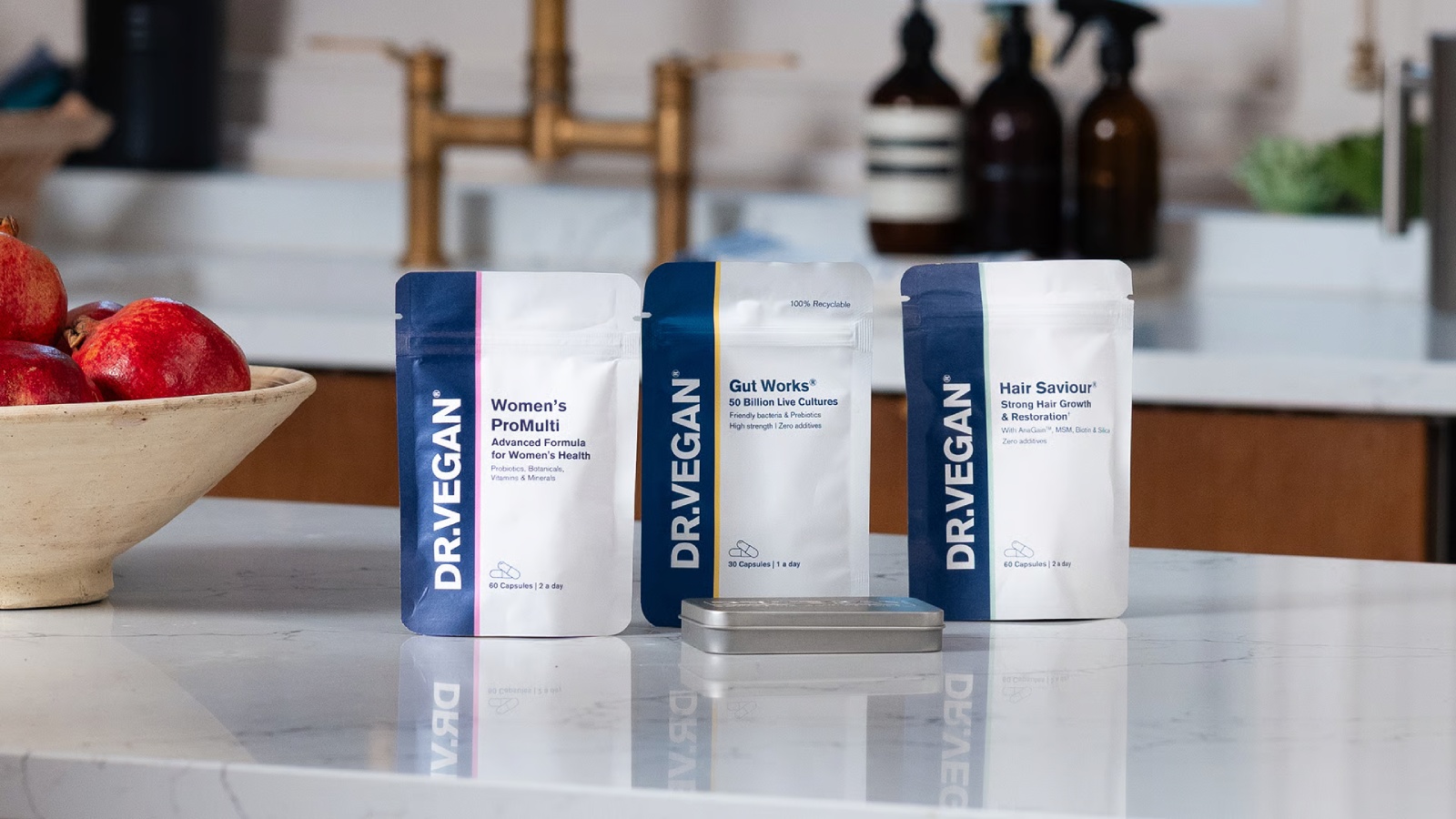
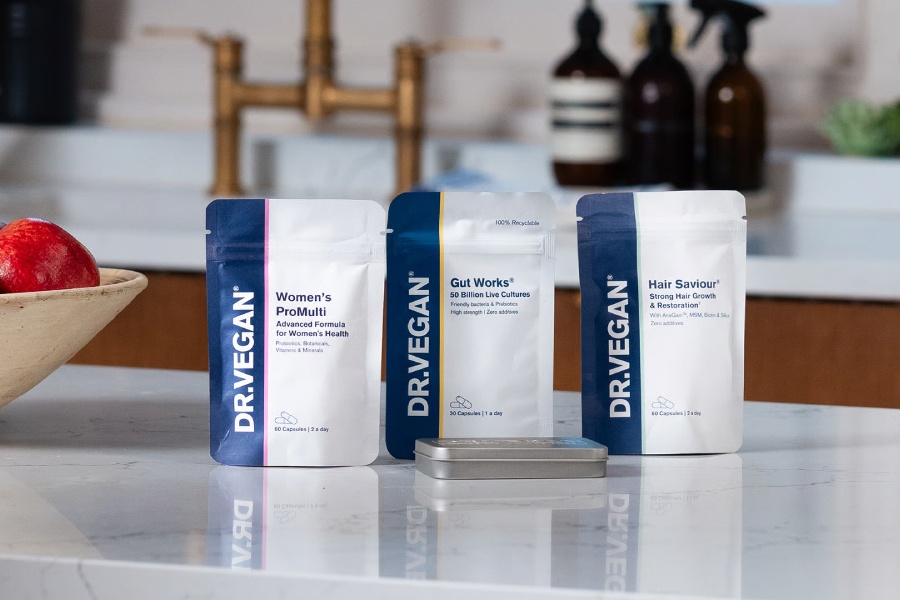
Stronger, happier you with DR.VEGAN
Supporting your health naturally starts with the right foundations. DR.VEGAN Women’s Multi delivers targeted nutrients to help maintain energy, immunity and hormonal balance, using vegan-friendly, clean formulations you can trust. It’s a simple, effective way to cover your daily nutritional bases.
If you want stronger, fuller-looking hair, DR.VEGAN Hair Saviour combines biotin, selenium and plant-based actives to nourish follicles from within. It supports healthy hair growth while also contributing to normal skin and nail health, making it a smart beauty-from-within choice.
Digestive health plays a key role in how you feel every day. DR.VEGAN Gut Works blends probiotics, prebiotics and digestive enzymes to support balance and comfort, helping you absorb nutrients more effectively and feel lighter after meals.
Beyond these essentials, DR.VEGAN’s range includes targeted support for PMS, pregnancy, menopause, collagen production and iron levels. Each formula is science-led, 100% vegan and thoughtfully developed to help you feel balanced, energised and confident at every stage of life.


FEATURED NUTRIENTS
Agnus Castus, also known as Chaste Tree, is often hailed as the ‘female herb’ and can help stabilise your hormones and relieve PMS symptoms.
Evening Primrose Oil is used by many women to manage symptoms of PMS and menopause and to improve overall skin health.
Folic Acid is perhaps the most well-known supplement for pregnancy, and is vital for preventing neural tube defects.
COMPETITIONS
Win a DR.VEGAN Women’s Health Bundle worth £75
This all-in-one DR.VEGAN Women’s Health Bundle, combines a comprehensive women’s multivitamin, performance-boosting Creatine & BCAAs, and high-strength vegan omega-3 to support your hormones, energy, gut health, muscle recovery, brain function, heart health, and natural glow.
Feel stronger, more balanced, and at your best every day with DR.VEGAN.
FAQS
What are the best dietary strategies to manage PMS symptoms?
You might find relief from PMS symptoms by incorporating more whole foods into your diet, such as fruits, vegetables, whole grains and lean proteins. Reducing your intake of salt, sugar, caffeine and alcohol can also help alleviate bloating, mood swings, and irritability. Remember, staying hydrated and maintaining a balanced diet are your allies in managing PMS effectively.
What supplements are considered effective for alleviating PMS symptoms?
Supplements can play a supportive role in managing PMS symptoms, with several showing promise in research. Magnesium, for example, may help reduce bloating, insomnia, and breast tenderness. Vitamin B6 has been linked to improved mood and reduced feelings of depression associated with PMS. Calcium is another supplement that could help reduce the severity of PMS symptoms, including fatigue, cravings, and depression. Omega-3 fatty acids, found in fish oil supplements, can also be beneficial for mood swings and cramping.
Can certain foods improve fertility?
Yes! Foods rich in antioxidants like vitamins C and E, folate, zinc and selenium can support fertility. Think colourful fruits and vegetables, nuts, seeds, and whole grains. Omega-3 fatty acids, found in fatty fish, flaxseeds and walnuts, are also beneficial. A balanced diet not only supports your overall health but can also improve your fertility.
Can stress affect my chances of conceiving?
Yes, stress can impact your fertility. High stress levels can lead to hormonal imbalances and irregularities in your menstrual cycle, making it more challenging to conceive. Managing stress is therefore crucial when trying to conceive. Techniques such as mindfulness meditation, deep-breathing exercises, yoga and regular physical activity can significantly reduce your stress levels. Ensure you’re getting enough sleep, and eating a balanced diet, and seek support from friends, family, or a professional to help manage stress and improve your overall wellbeing if needed.
What are the key nutrients I should focus on during pregnancy?
During pregnancy, focus on folic acid, iron, calcium, vitamin D, DHA (an omega-3 fatty acid), and iodine. Folic acid supports your baby’s neural tube development, iron aids in preventing anaemia, and calcium and vitamin D strengthen bones and teeth. DHA is crucial for brain development, and iodine supports your baby’s brain and nervous system development.
How can I manage weight gain during pregnancy?
Managing weight gain starts with understanding your body’s increased needs and the real meaning of “eating for two.” Aim for a balanced diet rich in fruits, vegetables, whole grains, lean proteins and healthy fats. Regular, moderate exercise, as recommended by your healthcare provider, can also help manage weight gain, ensuring a healthier pregnancy journey for both you and your baby.
Are herbal supplements safe during pregnancy?
Caution is key when considering herbal supplements during pregnancy. While some may be safe, others can pose risks to you and your baby. Always consult with your healthcare provider before taking any supplements, as they can advise based on your specific health needs and the latest research.
How can I balance my hormones naturally through diet?
To support hormonal balance, focus on including plenty of omega-3 fatty acids, fibre, and antioxidants in your diet. Foods like fatty fish, flaxseed, berries, leafy greens, and whole grains can contribute to maintaining balanced hormone levels. Additionally, moderating your intake of processed foods, sugars, and caffeine can help keep your hormones in check.
How can I naturally boost my energy levels during menopause?
Boosting your energy levels during menopause can be achieved through several natural approaches. Prioritising sleep and establishing a regular, relaxing bedtime routine can significantly impact your energy levels. Incorporating a balanced diet rich in whole foods, particularly those high in iron and B vitamins, can combat fatigue.
Regular physical activity, such as aerobic exercise, strength training, and yoga, can also increase your stamina and improve your mood. Hydration is key, so aim to drink plenty of water throughout the day. Lastly, stress-reduction techniques such as mindfulness, meditation, or deep-breathing exercises can help manage menopause-related stress and improve overall energy levels.
What non-hormonal strategies can ease menopause symptoms?
Focusing on a balanced diet rich in phytoestrogens found in foods like soybeans, flaxseeds, and sesame seeds, may help balance hormones naturally. Regular physical activity, especially yoga and walking, can reduce hot flashes and improve sleep. Maintaining a healthy weight, practising good sleep hygiene, and using cognitive behavioural therapy (CBT) techniques can also significantly alleviate symptoms.
Medical Disclaimer:
Food supplements should not be used as a substitute for a varied and balanced diet and are not intended to diagnose, treat, cure or prevent any ailments.
This website contains general information about food supplements. The information is not advice and should not be treated as such. All content, including text, graphics, images and information available through this website, is for general information purposes only. bodykind makes no representation and assumes no responsibility for the accuracy of the information available through this website, and such information is subject to change without notice.
bodykind does not recommend, endorse or make any representation about the efficacy, appropriateness or suitability of any specific tests, products, procedures, treatments or other information that may be contained on or available through this website.
You must not rely on the information on this website as an alternative to medical advice from your doctor or other professional healthcare providers. You should consult your doctor or other professional healthcare providers if you have any specific questions about any medical matter. You should seek immediate medical attention if you think you may be suffering from any medical condition. You should never delay seeking medical advice, disregard medical advice, or discontinue medical treatment because of information on this website.
