Minerals in Focus: Building blocks for beautiful skin
When you think about what fuels your body’s intricate systems, minerals might not always be the first thing that springs to mind. Yet, these powerful elements are crucial in helping you look and feel your best.

Contents
- What are the fundamental roles of minerals in maintaining overall health and beauty?
- How does zinc contribute to skin health and repair?
- How does selenium benefit skin protection and elasticity?
- How does copper aid the elasticity and appearance of your skin?
- How does magnesium support your skin health and stress management?
- Practical tips for integrating minerals into your daily regime
What are the fundamental roles of minerals in maintaining overall health and beauty?
When you think about what fuels your body’s intricate systems, minerals might not always be the first thing that springs to mind. Yet, these powerful elements are crucial in helping you look and feel your best. Minerals such as zinc, selenium, and copper play vital roles in ensuring your skin, your largest organ, remains radiant and healthy.
From supporting collagen production to fighting off the oxidative stress caused by pollution and sunlight, minerals offer a shield and repair mechanism for your skin. Zinc, for example, is a co-factor in numerous enzymatic reactions that repair skin wounds and maintain your skin’s structural integrity. Without sufficient minerals, your body can’t optimally perform these processes, which often shows first in your skin’s appearance.
Why should you consider specific minerals in your skincare and dietary routine?
Considering the importance of minerals in your skincare and dietary routine is essential for several compelling reasons:
- Prevent premature ageing: Adequate mineral intake helps to combat the wear and tear on your skin that could lead to premature ageing. Elements like copper and selenium are integral in forming natural antioxidant enzyme systems that protect against cellular damage.
- Enhance skin appearance: Healthy skin is often viewed as a reflection of your overall wellness. Ensuring you get enough essential minerals can help your skin look more vibrant and less prone to blemishes.
- Support long-term health: Beyond beauty, these minerals play critical roles in various bodily functions, supporting your immune system, nerve function, and more.
Integrating these minerals into your diet isn’t just about adding supplements; it’s about making mindful choices to consume foods rich in these nutrients. Foods like oysters for zinc, Brazil nuts for selenium and seeds for copper can all contribute to your mineral needs and can be incorporated into meals creatively and deliciously.
Moreover, by choosing sustainably sourced and naturally occurring mineral supplements, you’re supporting a healthier planet. It’s a holistic approach that improves your health and beauty and also aligns with environmentally conscious living.
How does zinc contribute to skin health and repair?
Zinc is a powerhouse mineral when it comes to your skin health. It plays a pivotal role in healing wounds, supporting your immune system, and fighting inflammation, all of which directly benefit the appearance and resilience of your skin. Imagine zinc as a tiny but mighty warrior in your body’s defence system, warding off invaders and mending the battle scars.
Here’s what zinc does for your skin:
Boosts collagen synthesis: Collagen is fundamental to maintaining the elasticity and firmness of your skin. Zinc acts as a co-factor in collagen production, ensuring your skin remains youthful and resilient.
Regulates oil production: For those struggling with oily skin or acne, zinc is particularly beneficial as it helps to regulate hormone levels and oil production within the skin.
Speeds up healing: Have you ever wondered why zinc is often a key ingredient in your acne treatment or your favourite sunburn relief cream? It accelerates wound healing, reducing the likelihood of scarring after skin damage.
What are the best food sources of zinc, and how can you incorporate them sustainably into your daily diet?

Incorporating zinc into your diet doesn’t just boost your beauty, it also supports sustainable eating practices, given the right food choices. Here are some top food sources of zinc and how you can add them to your meals:
- Legumes: Chickpeas, lentils, and beans are rich in zinc and are excellent plant-based protein sources. They’re grown with a lower environmental footprint compared to animal proteins.
- Seeds: Pumpkin and sesame seeds are zinc-packed snacks. Sprinkle them on your salads or blend them into your smoothies for a nutrient boost.
- Nuts: Cashews and almonds offer a good amount of zinc and make for the perfect midday snack.
- Whole grains: Foods like oats and quinoa are a hearty source of essential minerals like zinc.
- Sustainable seafood: If you’re not vegetarian, oysters and crab contain high zinc levels. Opt for sustainably sourced options to minimise your ecological impact.
Transitioning to a zinc-rich diet can be seamless. Start with integrating legumes into your weekly meal plan, perhaps in a hearty stew or as a base for homemade veggie burgers. Snack on a handful of nuts or seeds during your day or add them as a crunchy topping to your breakfast bowl. And remember, choosing foods that are as close to their natural state as possible ensures you’re consuming them at their nutritional peak.
Embracing these dietary changes not only enhances your skin health but also promotes a lifestyle that is kinder to our planet. Small adjustments to your diet, focusing on sustainable and zinc-rich foods, can make a significant impact on both your beauty and environmental wellbeing.
How does selenium benefit skin protection and elasticity?
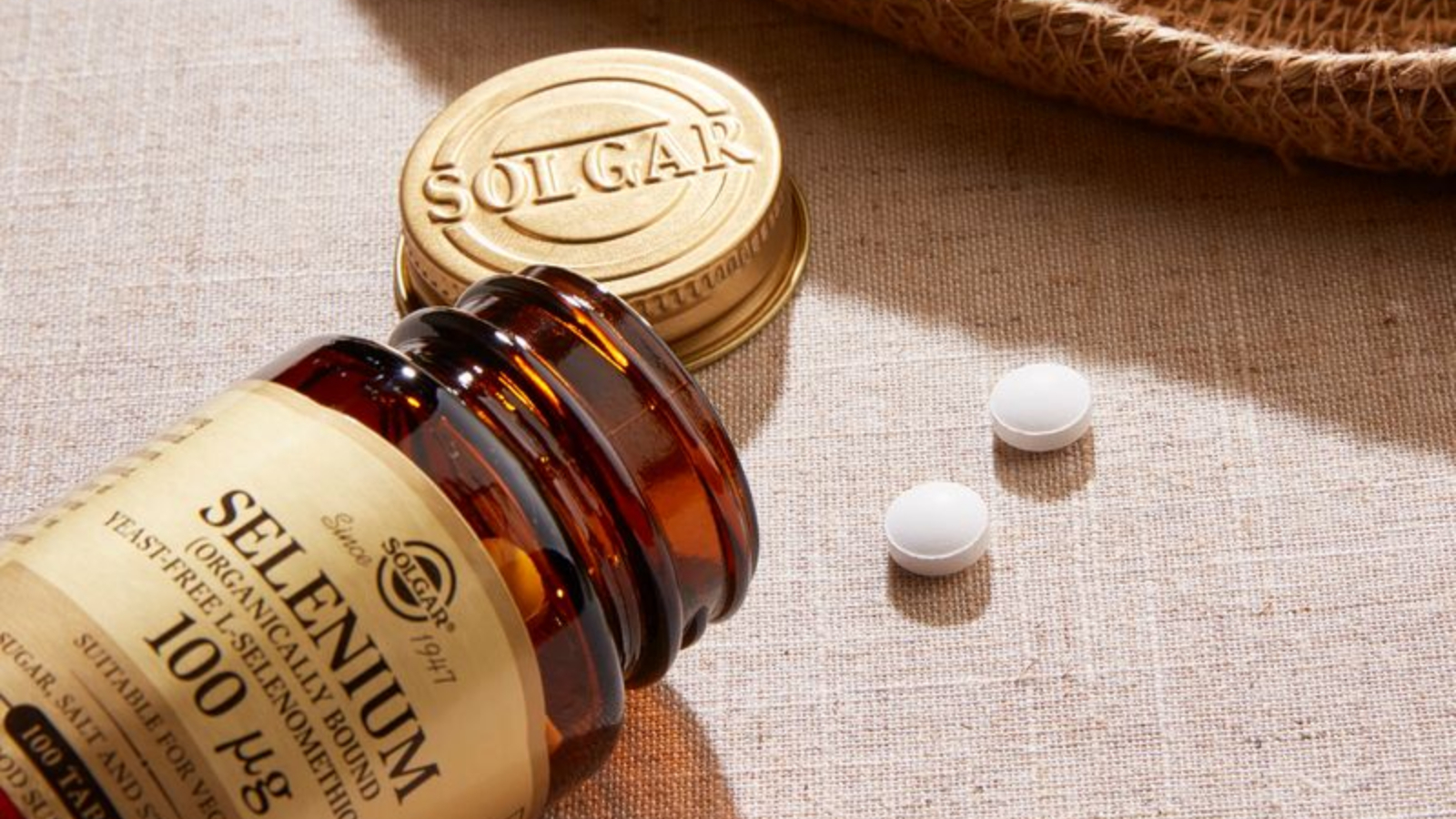
Selenium, a powerful micronutrient, plays a crucial role in the health and vitality of your skin. This essential mineral acts as a potent antioxidant, helping to protect your skin cells from oxidative damage caused by free radicals and environmental stressors like pollution and UV radiation. By preserving cell integrity, selenium supports skin firmness and elasticity, helping to delay the signs of ageing.
Moreover, selenium boosts your skin’s defence systems by supporting the body’s ability to repair DNA. Regular selenium intake can also improve issues like skin inflammation and reduce the incidence of certain skin cancers.
Here are practical tips for incorporating selenium-rich foods into your diet:
- Snack on Brazil nuts, one of the richest natural sources of selenium. Just one or two nuts can fulfil your daily requirements.
- Incorporate seafood such as tuna, halibut or shrimp into your meals, for additional omega-3 fatty acids beneficial for skin health.
- For plant-based options, choose brown rice, sunflower seeds, and mushrooms, all good sources of selenium.
Are there eco-friendly sources of selenium that align with a sustainable lifestyle?
Choosing eco-friendly sources of selenium supports your skin health and contributes to sustainable food systems.
Here are some ways to ensure that your selenium intake supports environmental sustainability:
- Opt for organic sources: Organic farming practices promote soil health and reduce pollution from pesticides and synthetic fertilisers, making organic nuts, seeds and grains excellent choices for selenium.
- Support local and seasonal produce: Purchasing local and seasonal produce reduces the carbon footprint associated with food transport and storage, ensuring you receive fresher, more nutrient-rich food.
- Sustainable seafood: When choosing seafood, look for labels indicating sustainable practices that protect ocean biodiversity, such as MSC-certified wild-caught fish or responsibly farmed options.
By being mindful of where and how your food originates, you enrich your diet with high-quality selenium and make choices that benefit the environment. Integrating these sources into your daily routine can significantly impact your health and the world around you.
Selenium is vital in maintaining not just the beauty of your skin through its protective and elastic properties but also in supporting a sustainable and healthy lifestyle. Making informed choices about incorporating selenium into your diet can have broad benefits, both personally and globally.
How does copper aid the elasticity and appearance of your skin?
Have you ever wondered why some people’s skin remains firm and youthful as they age, while others experience sagging and wrinkles much earlier? One of the lesser-known heroes in this battle against time is copper, an essential mineral that plays a significant role in your skin’s health and appearance.
Copper helps to develop collagen and elastin, vital proteins that maintain the strength and elasticity of your skin. Without sufficient copper, your skin might not be able to repair itself effectively, leading to earlier signs of ageing. Moreover, copper is involved in melanin production, the pigment that protects your skin from harmful UV radiation and gives it colour.
Here’s how you can ensure your body gets enough copper to keep your skin looking its best:
- Include nuts, seeds and whole grains in your diet — these are great sources of copper and also provide other essential nutrients.
- Consider incorporating shellfish into your meals weekly – oysters are particularly high in copper.
- For vegans and vegetarians, dark leafy greens and dried fruits like prunes are excellent sources of this essential mineral.
Remember, moderation is key as excessive copper can lead to health issues. Aim for a balanced intake that meets the daily recommended amounts without exceeding them.
Are there eco-friendly sources of copper available that align with a sustainable lifestyle?
In today’s world, where environmental sustainability is more crucial than ever, choosing eco-friendly sources of copper is a small but impactful way to contribute to a healthier planet.
When sourcing copper through your diet, consider these environmentally friendly options:
- Local produce: Buying locally grown fruits and vegetables supports local farmers and reduces the carbon footprint from transporting food items over long distances.
- Organic farming: Opting for products from organic farms ensures that the food is grown without harmful pesticides and chemicals, promoting healthier soil and ecosystems.
- Seasonal eating: Consuming fruits and vegetables in their natural growing seasons can lead to better nutritional profiles and less environmental strain from greenhouse gas emissions.
Transitioning to a sustainable lifestyle doesn’t require drastic changes; even minor adjustments in how and where you source your food can make a significant difference.
Incorporating these practices into your routine will boost your skin’s health and appearance with essential minerals like copper and help preserve our environment. It’s a win-win for your beauty and the planet!
How does magnesium support your skin health and stress management?
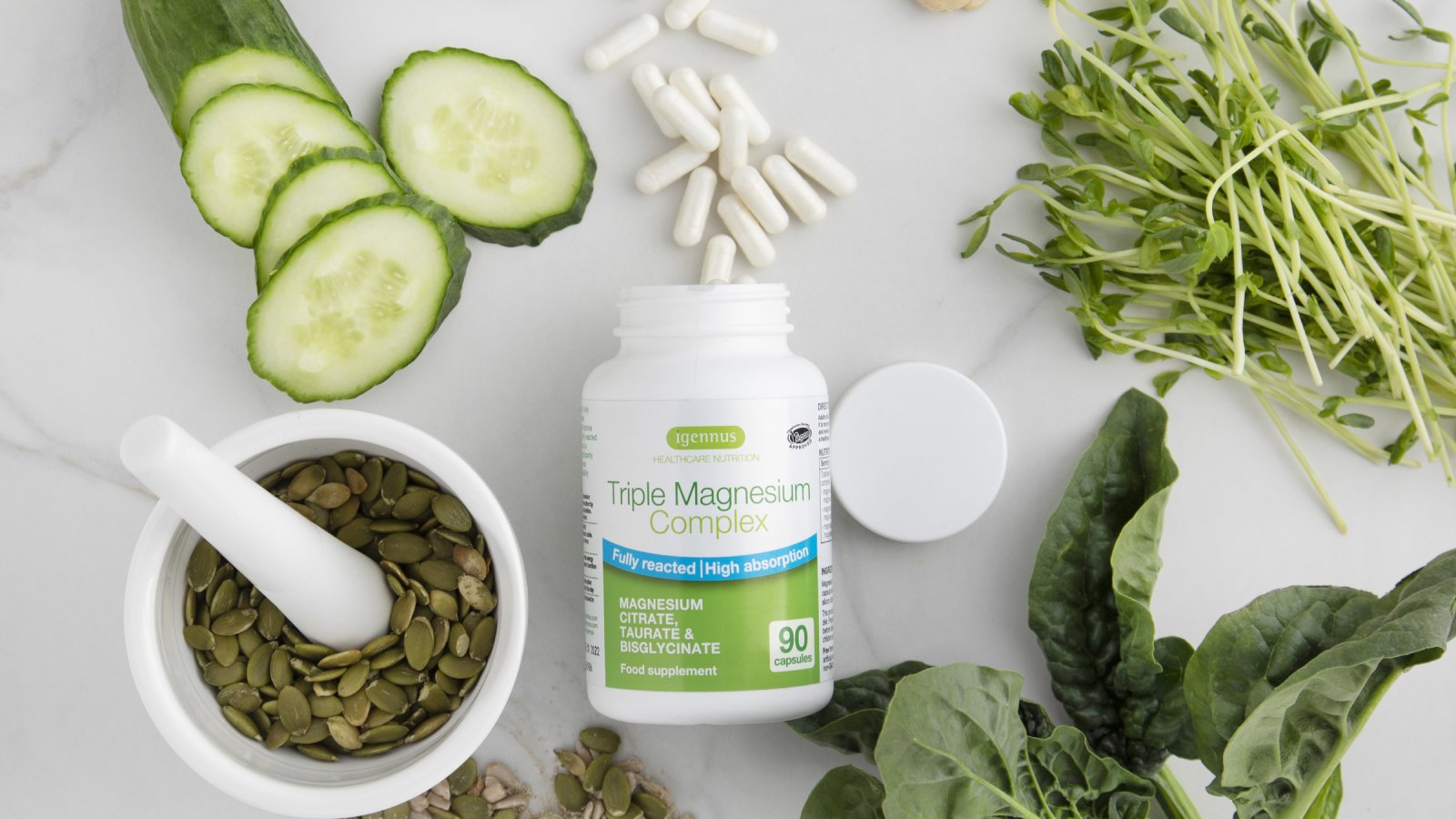
Magnesium, often hailed as a miracle mineral, is crucial to managing your overall stress levels and skin health. Have you ever wondered why health experts always recommend magnesium-rich foods like leafy greens, nuts and seeds? It’s because magnesium benefits your skin by stabilising hormonal imbalances, improving cellular processes and hydrating – all factors that contribute directly to the vitality and appearance of your skin.
Key benefits of magnesium for skin:
- Enhances skin barrier function: Magnesium helps the skin function as a barrier, retaining moisture and protecting against external impurities and allergens.
- Promotes cellular regeneration: By supporting the replication and repair of skin cells, magnesium can aid in the healing process, and reduce the prevalence of skin conditions like acne and eczema.
- Reduces stress-induced skin issues: Magnesium is crucial in managing your body’s stress response. Lower stress levels can lead to fewer stress-related skin problems, such as outbreaks of acne or rosacea.
What are sustainable and natural sources of magnesium that can be included in a daily diet?
Opting for plant-based sources of magnesium contributes less to environmental degradation than many animal-based nutrients.
Sustainable sources of magnesium include:
- Spinach and other leafy greens: A powerhouse of nutrients, including magnesium, these greens are best consumed organic and locally sourced.
- Nuts and seeds: Almonds, cashews and pumpkin seeds are rich in magnesium, proteins and healthy fats, making them a great snack.
- Whole grains: Buckwheat, oats and brown rice provide magnesium and keep your energy levels stable throughout the day.
Incorporating these foods into your meals can be both delicious and immensely beneficial. For instance, starting your day with a bowl of oatmeal sprinkled with almonds and pumpkin seeds can boost your magnesium intake significantly.
By consciously choosing where your food comes from and opting for sustainably sourced options, you support not only your health but also the health of our planet. Always look for organic labels and consider the sourcing practices of the brands you support, especially when purchasing supplements. Remember, every small choice can lead to bigger changes.
Next time you’re meal planning, think about how to sneak in some of those leafy greens or a handful of nuts. Your skin – and the environment – will thank you for it.
Practical tips for integrating minerals into your daily regime
To ensure you’re getting the right balance of zinc, selenium, magnesium and copper, it’s vital to consider both your diet and lifestyle. Here are some practical steps you can take:
Optimising your mineral intake
- Start with your diet: Incorporate a variety of foods rich in these minerals. For zinc, add more seeds like pumpkin and sesame to your meals. Selenium is abundant in Brazil nuts – eating a couple daily can meet your requirements. For copper, seafood and nuts like cashews are excellent choices.
- Consider timing: Absorption can be key. Taking these minerals with meals can improve their uptake, as food stimulates stomach acid production which aids in mineral absorption.
- Hydration is crucial: Drinking plenty of water supports your overall health and helps minerals move through your body, making them more effective.
Diversifying your sources
- Mix up your sources to avoid monotony and ensure a broad spectrum of other nutrients. For example, alternate between different nuts and seeds throughout the week to keep your meals interesting and nutritious.
Supplementation wisdom
- If you struggle to get enough from food alone, supplements might be a helpful option. However, always choose high-quality, sustainably sourced supplements to ensure you’re not compromising on ethics or efficacy.
Common mistakes to avoid with mineral supplementation for beauty
- Over-supplementation: One of the most common pitfalls is the excessive intake of supplements which can lead to imbalances and health issues:
- Excess zinc can interfere with copper absorption, leading to deficiencies that may impact your skin health.
- While beneficial in small amounts, too much selenium can cause selenosis, symptoms of which include gastrointestinal upsets, hair loss and white, blotchy nails.
- Too much copper can lead to oxidative stress and negatively affect your body’s natural balance.
To avoid these mistakes, always check with a healthcare provider before starting any new supplement regime, especially if you are currently taking other medications or have underlying health conditions. Be wary of doses too, more isn’t always better. Follow the recommended daily allowances and consider your dietary intake as part of your overall consumption.
By understanding both the power and the pitfalls of mineral supplementation, you can better manage your intake and enjoy the benefits they offer for your beauty, naturally and sustainably. Remember, your body’s needs can change over time, and what works for you today might need adjustment tomorrow.
Stay informed, stay healthy, and let your beauty shine from within!
Medical Disclaimer:
Food supplements should not be used as a substitute for a varied and balanced diet and are not intended to diagnose, treat, cure or prevent any ailments.
This website contains general information about food supplements. The information is not advice and should not be treated as such. All content, including text, graphics, images and information available through this website, is for general information purposes only. bodykind makes no representation and assumes no responsibility for the accuracy of the information available through this website, and such information is subject to change without notice.
bodykind does not recommend, endorse or make any representation about the efficacy, appropriateness or suitability of any specific tests, products, procedures, treatments or other information that may be contained on or available through this website.
You must not rely on the information on this website as an alternative to medical advice from your doctor or other professional healthcare providers. You should consult your doctor or other professional healthcare providers if you have any specific questions about any medical matter. You should seek immediate medical attention if you think you may be suffering from any medical condition. You should never delay seeking medical advice, disregard medical advice, or discontinue medical treatment because of information on this website.

Comments are closed here.