Thicker, Fuller Hair: Nutritional secrets to boost your hair health
Healthy hair means something different to everyone, from shine or strength to volume and fullness. But it’s not just about appearance, your hair reflects your overall wellbeing. Like a plant that flourishes in the right soil, your hair reveals much about your body’s nutritional health.

Contents
- Why is your hair considered a reflection of your overall nutritional health?
- What are the key components of your hair?
- Which vitamins are crucial for hair growth and why?
- How does protein intake affect the condition of your hair?
- What are some top foods known to enhance hair thickness and fullness?
- What are common nutritional deficiencies that can lead to poor hair health?
- How can supplements support your hair health?
Why is your hair considered a reflection of your overall nutritional health?
Your hair cells are among the fastest-growing cells in your body, but they’re also the first to be affected if you don’t eat right or if your body is low on nutrients. Just as a nutrient-rich diet can make your skin glow and your energy soar, it can also lead to thicker, shinier, and more resilient hair. Conversely, nutritional deficiencies can lead to noticeable hair problems such as dryness, brittleness, and slower growth.
Understanding your hair’s needs starts with recognising the vital role that nutrition plays in its health. It’s not just about applying topical treatments; it’s about feeding your hair from the inside.
- Nutrients like protein, iron, and vitamins are the building blocks of your hair.
- A balanced diet enriches your entire body, leading to improved hair health and growth.
- Hydration is crucial. Drinking enough water supports the health of your hair just as much as it supports your overall health.
What are the key components of your hair?
Understanding the structure of your hair is essential to appreciating how nutrients affect its health.
Your hair is primarily made up of keratin, a tough protein also found in your nails and skin. This protein is built from amino acids that are formed as a result of the metabolism of protein-rich foods. The health of your hair begins in the hair follicle, a small tubular cavity containing the root of the hair, with each strand fed by nutrients absorbed from your bloodstream.
How does nutrition impact the growth and quality of your hair?
The connection between your diet and your hair’s health can’t be overstated.
- Since your hair is made primarily of protein, insufficient protein intake can lead to weak, brittle hair and a loss of hair colour.
- Specific vitamins and minerals, including iron, vitamin C, zinc, and omega-3 fatty acids, contribute to hair strength, shine, and overall health.
- A healthy scalp is vital for healthy hair growth. Nutrients that support skin health also benefit the scalp.
A well-rounded diet enhances not only your hair growth but also its quality. For instance, omega-3 fatty acids found in fish like salmon help lubricate the hair shaft and hydrate your scalp. Vitamin E in nuts and seeds offers protection against environmental damage.
Integrating these nutrients into your diet doesn’t just fuel your body; it directly benefits your hair’s texture, growth rate, and resilience. As you adjust your diet to include these vital nutrients, you’ll likely notice not just a fuller head of hair but also improved overall health.
Which vitamins are crucial for hair growth and why?

When you think about nourishing your hair, consider these essential vitamins that are proven to enhance hair growth and health:
- All cells need vitamin A for growth, including hair, the fastest-growing tissue in the human body. Vitamin A also helps skin glands produce sebum, which moisturises the scalp and helps keep hair healthy.
- One of the best-known vitamins for hair growth is biotin, a B vitamin. B vitamins help carry oxygen and nutrients to your scalp, which aids in hair growth.
- Vitamin C is a powerful antioxidant that helps protect against the oxidative stress caused by free radicals. Additionally, your body needs vitamin C to create a protein known as collagen, an important part of hair structure.
- Low levels of vitamin D are linked to alopecia, a technical term for hair loss. Research also shows that vitamin D may help create new follicles, the tiny pores in your scalp where new hair can grow.
- Similar to vitamin C, vitamin E is an antioxidant that can prevent oxidative stress.
What role do minerals play in maintaining hair health?
Minerals are just as crucial as vitamins for the health of your hair. Key minerals include:
- Iron helps red blood cells carry oxygen to your cells. This makes it an important mineral for many bodily functions, including hair growth. Iron deficiency, which causes anaemia, is a major cause of hair loss, especially in women.
- Zinc plays an important role in hair tissue growth and repair. It also helps keep the oil glands around the follicles working properly.
- Selenium is a trace element that is vital for the production of thyroid hormones, which help regulate hair growth.
Integrating these vitamins and minerals into your diet can transform the health of your hair, ensuring it grows at its optimal rate and maintains its lustre and strength.
How does protein intake affect the condition of your hair?
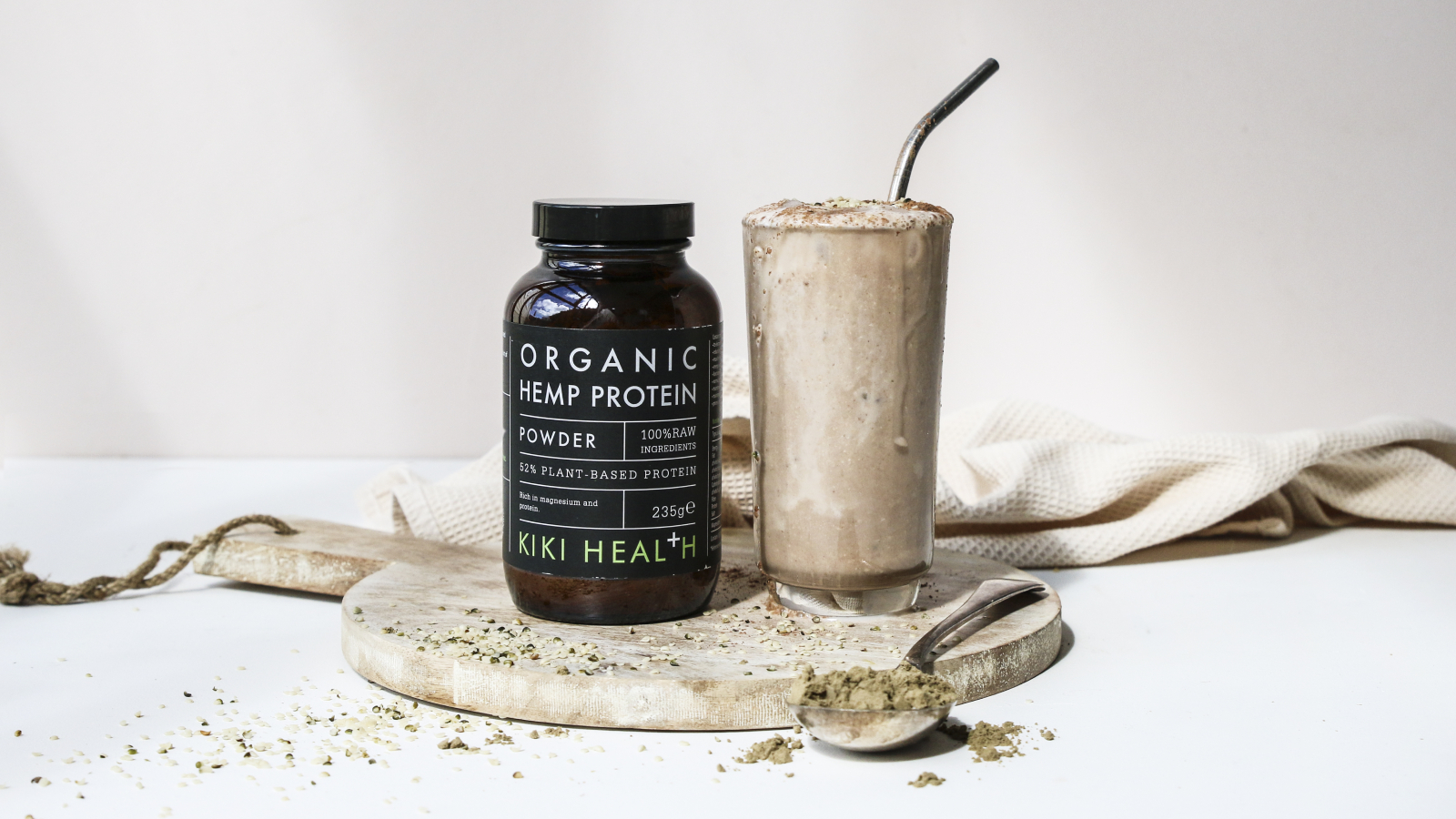
Protein is fundamental for hair health because hair follicles are mostly made of protein. A lack of adequate protein can lead to hair loss, weakness, and reduced regrowth. Ensuring you get enough protein in your diet supports hair strength, texture, and growth.
- Keratin is the protein that forms your hair, skin and nails. It makes up to 95% of your hair, strengthening the cuticle and interior structure while repairing damage. Eating protein-rich foods supports your body’s natural keratin production, helping you maintain strong, healthy hair.
- Collagen is vital for your hair’s structure, keeping it strong, healthy and resilient. It helps maintain elasticity, reducing breakage and protecting strands from daily damage. Your body needs protein to produce collagen, supporting healthier growth and ensuring your hair looks and feels its best.
Incorporating protein into your diet can be both easy and delicious.
- Meat such as chicken, turkey, and lean beef are excellent sources of protein.
- Fatty fish like salmon and mackerel provide protein and also omega-3 fatty acids, which are good for hair health.
- Vegan options such as lentils, chickpeas, and quinoa are great protein sources if you’re following a plant-based diet.
What are some top foods known to enhance hair thickness and fullness?
Nourishing your hair begins at the dining table. It’s not just about what products you apply externally; it’s also about what fuels your body. Here are some superfoods that can boost your hair’s health, making it thicker and fuller:
- Rich in omega-3 fatty acids, salmon and fatty fish nourish your hair shaft and support hair thickening. They also contain a good amount of protein, vitamin D3, and B vitamins, all of which promote healthy hair.
- Eggs are a great source of protein and biotin, two nutrients that are essential for hair growth. Eggs are also rich in zinc and selenium, minerals that are vital for healthy hair.
- Spinach is packed with folate, iron, and vitamins A and C. This leafy green helps hair follicle health and circulation.
- Berries are loaded with beneficial compounds and vitamins like vitamin C, which has strong antioxidant properties. Antioxidants can protect hair follicles against damage from harmful molecules.
- Nuts and seeds like almonds, flaxseeds, and sunflower seeds are excellent sources of vitamin E, zinc, and selenium, plus they contain omega-3 fatty acids, which promote hair thickness.
How can you incorporate these foods into your daily diet?

Incorporating these nutrient-rich foods doesn’t have to be complicated. Straightforward adjustments to your everyday eating habits can make a big difference.
- Increase your protein intake by adding a serving of protein to each meal, whether it’s through lean meats, fish, beans, or tofu.
- Choose whole grains over refined carbohydrates. Opt for quinoa, brown rice, and whole-wheat bread to boost your B vitamin intake.
- Snack on nuts and seeds to increase your intake of vitamin E and zinc, which are both crucial for hair health. Almonds, walnuts, and flaxseeds are great choices.
Here are a few simple ideas to help you optimise your diet for better hair health:
- Start your day with a healthy breakfast. Try a salmon omelette, tofu scramble or a berry and nut smoothie.
- Opt for a spinach salad tossed with sliced almonds and chunks of grilled chicken for a nutritious lunch.
- Keep a small bag of mixed nuts or sunflower seeds at your desk for a quick midday snack.
- For dinner, prepare a stir-fry with plenty of veggies and include a small portion of lean meat or tofu for protein.
By making these nutrient-rich foods a staple in your diet, you ensure that your hair receives all the support it needs to be as healthy and vibrant as possible. You’ll enjoy stronger, thicker and more lustrous hair and benefit your overall wellness too.
What are common nutritional deficiencies that can lead to poor hair health?
Adequate nutrition is key to maintaining luscious locks, yet many of us might not realise that our eating habits could be contributing to hair issues. Understanding common deficiencies can help you adjust your diet to better support your hair health:
- Iron deficiency is one of the most common deficiencies worldwide and a leading cause of hair loss. When your body lacks iron, it prioritises the supply of oxygen to vital organs over your hair follicles, potentially leading to hair shedding.
- Low levels of vitamin D are linked to alopecia areata and may inhibit hair follicle growth.
- Zinc is essential for protein synthesis and cell division, two processes vital for hair growth. A zinc deficiency can result in hair loss.
- Omega-3 fatty acids are crucial for nourishing the hair and scalp. A lack of these fats can lead to a dry scalp and dull hair.
How can you address these deficiencies through diet?
Reversing nutritional deficiencies starts with tweaking your diet to include more of the nutrients you lack.
- Iron-rich foods: Incorporate lean meats, seafood, beans, dark leafy greens, and iron-fortified cereals into your meals.
- Vitamin D sources: Since it’s difficult to get adequate vitamin D from food alone, consider fatty fish, fortified foods, and safe sun exposure. You might also consider vitamin D supplementation to boost your levels.
- Zinc: Include foods like oysters, beef, pumpkin seeds, and lentils, which are high in zinc.
- Omega-3 fatty acids: Flaxseeds, chia seeds, walnuts, and fatty fish like salmon are excellent sources.
Why is hydration important for hair health?
Staying well-hydrated is crucial for maintaining healthy hair, as it impacts your entire body’s health, including your scalp. Water helps to regulate the circulatory system, which feeds your hair follicles and stimulates hair growth. Without sufficient hydration, your hair can become brittle, vulnerable to breakage, and less likely to grow effectively.
Adapting your diet and staying hydrated not only supports your hair growth but also enhances your overall health. By focusing on these nutrient-rich foods, you can help combat deficiencies and give your hair the best chance to thrive.
How can supplements support your hair health?
A balanced diet is essential, but supplements can help fill any nutritional gaps. They provide a practical way to support your hair health, especially when your diet alone doesn’t meet your needs. If you’re struggling to get enough nutrients from food, the right supplements can give your hair the nourishment it needs to stay strong and healthy.
- Biotin, also known as vitamin B7, is one of the most popular supplements for promoting hair growth and strength. It plays a critical role in the production of keratin, the primary protein in your hair, and supplementation can help improve hair growth if you have a biotin deficiency.
- Vitamin D is crucial for hair follicle cycling, and a deficiency can lead to alopecia or hair thinning. Given the challenges of obtaining sufficient vitamin D from food alone, a supplement might be necessary, especially in darker, winter months. Supplementing with vitamin D can help stimulate hair follicles that have become dormant, leading to improved hair growth.
- Fish oil supplements, rich in omega-3 fatty acids, can enhance the shine, thickness, and overall health of your hair. Omega-3s provide oils that keep your scalp and hair hydrated, and they’re also known to have anti-inflammatory properties that can help open up the hair follicles and promote hair growth.
- Iron is a vital component of hemoglobin, a protein that helps transport oxygen in the blood. Adequate iron levels can enhance blood flow to the scalp and stimulate hair growth. This is particularly beneficial if you are among those who have an iron deficiency or are prone to anemia.
- Zinc plays a crucial role in hair tissue growth and repair. It also helps keep the oil glands around the hair follicles working properly. Zinc supplementation can help reduce hair loss that is often caused by a zinc deficiency.
- Vitamin C is necessary for creating the protein collagen, an important part of hair structure. It also helps in the absorption of iron, a vital mineral for hair growth. Supplementing with vitamin C can ensure that your body has the resources needed for robust hair growth.
It’s important to consult with a healthcare provider before starting any supplement regimen, particularly to determine appropriate dosages and to ensure that the supplements won’t interact negatively with other medications. By integrating these supplements into your daily routine, you can support and enhance your hair health effectively, helping you achieve thicker, fuller, and more vibrant hair.
The food you eat plays a key role in your hair’s health, strength, and appearance. By making the right nutritional choices, you can boost your hair’s vitality while improving your overall wellbeing. Every meal influences the shine, strength, and fullness of your hair, so nourishing your body means nourishing your locks too.
Start incorporating these changes today and enjoy the difference in both your hair and health. When your diet supports your body, your hair will reflect that vibrant energy. Let your hair shine as a testament to your well-being!
Medical Disclaimer:
Food supplements should not be used as a substitute for a varied and balanced diet and are not intended to diagnose, treat, cure or prevent any ailments.
This website contains general information about food supplements. The information is not advice and should not be treated as such. All content, including text, graphics, images and information available through this website, is for general information purposes only. bodykind makes no representation and assumes no responsibility for the accuracy of the information available through this website, and such information is subject to change without notice.
bodykind does not recommend, endorse or make any representation about the efficacy, appropriateness or suitability of any specific tests, products, procedures, treatments or other information that may be contained on or available through this website.
You must not rely on the information on this website as an alternative to medical advice from your doctor or other professional healthcare providers. You should consult your doctor or other professional healthcare providers if you have any specific questions about any medical matter. You should seek immediate medical attention if you think you may be suffering from any medical condition. You should never delay seeking medical advice, disregard medical advice, or discontinue medical treatment because of information on this website.

Comments are closed here.