Antioxidants: Boosting brain health and cognitive function
Enhance your brain health with antioxidants. Explore the essential foods and supplements that protect your mind and support cognitive function.

Contents
- Why is brain health important?
- How do antioxidants play a role in maintaining brain health?
- What are antioxidants?
- Why are antioxidants essential for brain health?
- Which foods are rich in antioxidants?
- What are the top 10 antioxidant supplements for brain health?
- How do I choose a high-quality antioxidant supplement?
Why is brain health important?
Your brain is the control centre of your body, governing everything from your thoughts and emotions to your movements and senses. Imagine it as a supercomputer, managing multiple tasks simultaneously, ensuring you perform optimally every day. Maintaining brain health isn’t just about avoiding disease; it’s about enhancing your cognitive abilities, memory and overall quality of life. When your brain is healthy, you can think clearly, solve problems efficiently and feel more energetic and focused.
In our fast-paced world, it’s easy to overlook the importance of brain health until issues arise. However, by proactively supporting your brain, you can enjoy:
- Improved memory and cognitive function: Sharper thinking, better recall, and enhanced learning.
- Enhanced mood and emotional well-being: A more balanced emotional state and reduced risk of mental health issues.
- Greater productivity and creativity: The ability to perform tasks more efficiently and generate innovative ideas.
How do antioxidants play a role in maintaining brain health?
You’ve likely heard of antioxidants in the context of overall health, but did you know they’re also crucial for your brain? Antioxidants are compounds that protect your cells from damage caused by free radicals, which are unstable molecules that can harm your cells and are linked to ageing and diseases.
Your brain, being a highly active organ, produces a lot of free radicals, making it particularly vulnerable to oxidative stress. By neutralising these free radicals, antioxidants help:
- Prevent cognitive decline: Reducing the risk of neurodegenerative diseases.
- Enhance mental clarity: Promoting better focus and concentration.
- Support brain repair and regeneration: Encouraging the growth of new neurons and the maintenance of neural pathways.
Incorporating antioxidant-rich foods into your diet is a powerful way to bolster your brain health. Berries, dark chocolate and green tea are a few delicious options that can make a significant difference.
As you delve deeper into the world of antioxidants, you’ll discover how these mighty compounds can be your brain’s best ally in maintaining cognitive function and overall mental wellbeing.
What are antioxidants?
Antioxidants might sound like something out of a science fiction novel, but they are real and incredibly beneficial for your health. Essentially, antioxidants are molecules that fight free radicals in your body.
Free radicals are unstable atoms that can damage cells, leading to ageing and diseases. They’re a natural byproduct of many processes in your body, including metabolism, but they can also be introduced from external sources like pollution, radiation and cigarette smoke.
When free radicals accumulate, they cause oxidative stress, damaging your DNA, proteins and cells. This is where antioxidants come in. They neutralise free radicals by donating an electron, effectively disarming them. Think of antioxidants as the heroes in your body, preventing and repairing damage caused by these villainous free radicals.
But how exactly do antioxidants perform this vital role?
- Neutralising free radicals: By donating an electron to stabilise free radicals without becoming destabilised themselves.
- Protecting cells: Safeguarding cell membranes and other structures from oxidative damage.
- Supporting immune function: Enhancing your body’s defence mechanisms against diseases.
Why are antioxidants essential for brain health?
Your brain is particularly vulnerable to oxidative stress due to its high oxygen consumption and abundant fatty acids, which are prone to oxidation. Moreover, your brain’s demand for energy creates more free radicals. Over time, this oxidative stress can lead to cognitive decline and increase the risk of neurodegenerative diseases.
Antioxidants are crucial for brain health because they:
- Prevent cognitive decline: By protecting brain cells from oxidative damage, antioxidants help maintain cognitive functions like memory and learning.
- Support neurogenesis: Promoting the growth and development of new neurons, which is vital for keeping your brain young and adaptable.
- Reduce inflammation: Many antioxidants have anti-inflammatory properties that help reduce brain inflammation, which is linked to numerous neurological disorders.
For example, vitamins E and C are potent antioxidants that help protect your brain from oxidative stress. Vitamin E, found in nuts and seeds, helps protect cell membranes, while vitamin C, abundant in citrus fruits and berries, can regenerate other antioxidants within the brain. Polyphenols, found in foods like green tea and dark chocolate, have been shown to improve brain plasticity and cognitive function.
Understanding the importance of antioxidants and their role in maintaining brain health is the first step towards a healthier, sharper mind.
By incorporating antioxidant-rich foods into your diet, you’re supporting your overall health and giving your brain the protection it needs to thrive.
Which foods are rich in antioxidants?
When you think about boosting your brain health, focusing on the right foods is essential. Antioxidant-rich foods are your best allies in this quest. These foods not only taste great but also pack a powerful punch in protecting your brain from oxidative stress and inflammation.
Here are some of the top sources of antioxidants you should consider adding to your diet:
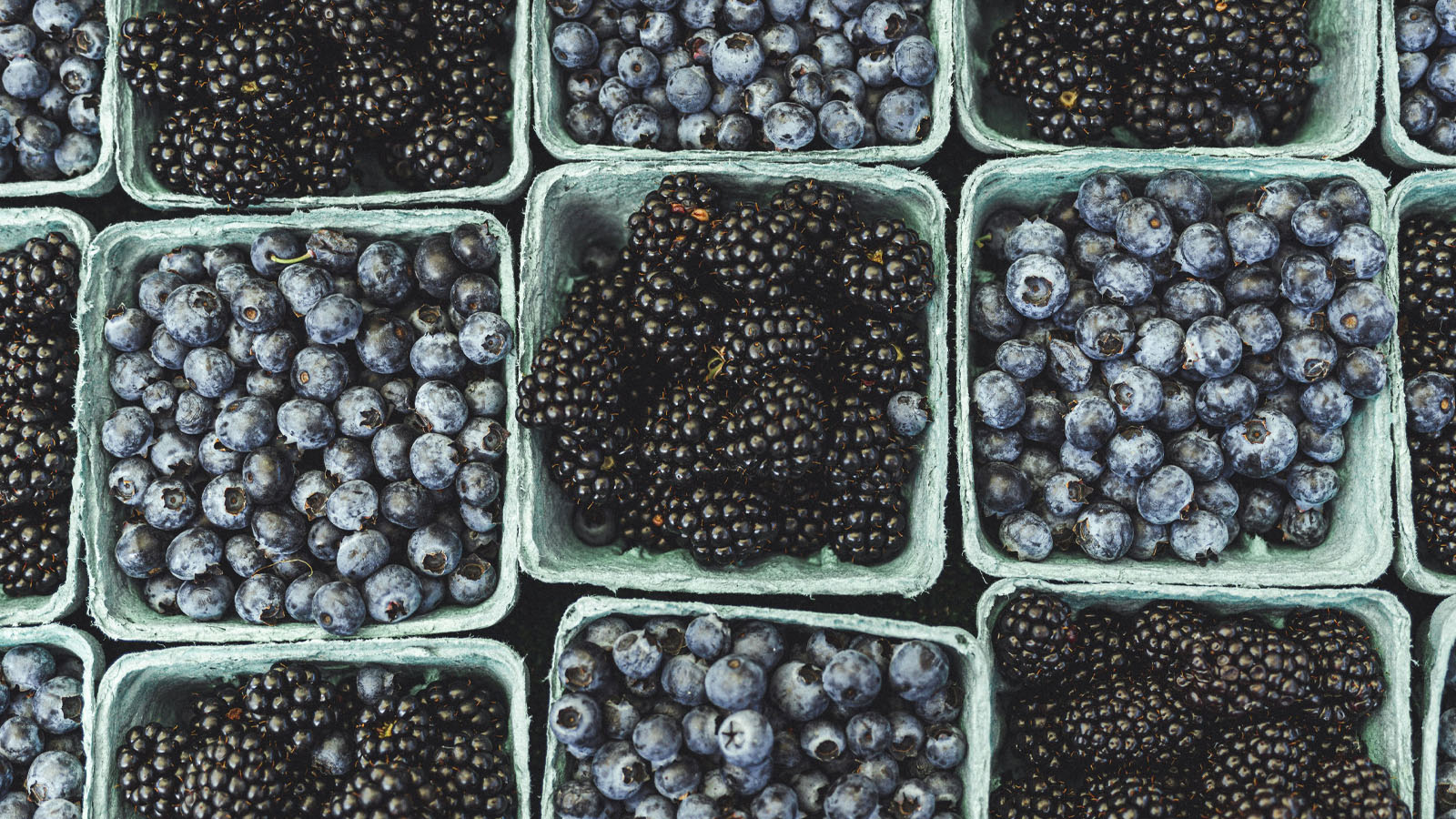
- Berries: Blueberries, strawberries, raspberries and blackberries are all excellent sources of antioxidants. Blueberries, in particular, are known for their high levels of flavonoids, which have been shown to improve memory and cognitive function.
- Dark chocolate: Not only is dark chocolate delicious, but it’s also rich in flavonoids, caffeine and theobromine, all of which are known to enhance brain function.
- Nuts and seeds: Almonds, walnuts, flaxseeds and chia seeds are loaded with vitamin E and omega-3 fatty acids, both of which are crucial for brain health.
- Leafy greens: Spinach, kale and other leafy greens are packed with antioxidants like vitamins C and E, as well as beta-carotene, which help protect brain cells.
- Citrus fruits: Oranges, lemons and grapefruits are excellent sources of vitamin C, an antioxidant that helps prevent cognitive decline.
- Green tea: This beverage is rich in catechins, which are powerful antioxidants that support brain function and protect against neurodegenerative diseases.
- Turmeric: This spice contains curcumin, an antioxidant with strong anti-inflammatory properties that can cross the blood-brain barrier and has been shown to improve mood and memory.
Incorporating these foods into your diet can make a significant difference in your brain health.
What are the top 10 antioxidant supplements for brain health?
Incorporating antioxidant-rich foods into your diet is an excellent way to support brain health, but sometimes you might need a little extra boost. This is where supplements come into play. Here are our top 10 antioxidant supplements and why they are beneficial for your health.
1. Astaxanthin
Astaxanthin is a powerful antioxidant derived from microalgae. It’s known for its impressive ability to cross the blood-brain barrier and protect your brain cells from oxidative damage. A study found that Astaxanthin appears to modulate inflammation in the brain, reducing the production of pro-inflammatory cytokines, and limiting brain inflammation associated with ageing[1].
- Neuroprotective properties: Astaxanthin helps reduce inflammation and oxidative stress in the brain.
- Eye health: It also supports eye health, reducing the risk of age-related macular degeneration.
- Skin protection: This antioxidant protects your skin from UV damage and promotes healthy ageing.
2. Vitamin C
Vitamin C is one of the most well-known antioxidants. It is water-soluble, which means your body needs a regular supply from your diet or supplements.
- Immune support: Vitamin C boosts your immune system and helps your body fight infections.
- Collagen synthesis: It is crucial for collagen production, supporting skin, joint, and bone health.
- Neuroprotection: This vitamin also helps regenerate other antioxidants and protect brain cells.
3. Vitamin E
Vitamin E is a fat-soluble antioxidant that protects cell membranes from oxidative damage. A study suggested Vitamin E supplementation may slow Alzheimer’s disease progression and reduce oxidative stress in the brain.[2]
- Skin health: It maintains skin health by preventing oxidative stress.
- Heart health: Vitamin E supports cardiovascular health by preventing the oxidation of LDL cholesterol.
- Brain health: It has been shown to slow cognitive decline in older adults.
4. Co-Enzyme Q10 (CoQ10)
CoQ10 is an antioxidant that your body produces naturally. Its production decreases with age, making supplementation beneficial.
- Energy production: CoQ10 plays a critical role in energy production within cells.
- Heart health: It supports heart health by improving blood flow and reducing oxidative stress.
- Cognitive function: CoQ10 has been shown to improve symptoms in certain neurodegenerative diseases.
5. Glutathione
Glutathione is known as the “master antioxidant” because it is crucial for detoxifying cells. A study found Glutathione supplementation shows potential in improving cognitive decline.[3]
- Detoxification: Glutathione helps detoxify the liver and eliminate toxins from the body.
- Immune support: It supports the immune system and helps prevent oxidative stress.
- Skin health: This antioxidant also promotes brighter, healthier skin.
6. Resveratrol
Resveratrol is a polyphenol found in red wine, grapes, and some berries. It is famous for its anti-aging properties.
- Heart health: Resveratrol supports heart health by improving blood flow and reducing inflammation.
- Brain health: It crosses the blood-brain barrier and protects brain cells from oxidative stress.
- Anti-ageing: This antioxidant activates specific genes that protect against the effects of ageing.
7. Alpha-Lipoic Acid (ALA)
ALA is both water- and fat-soluble, making it a versatile antioxidant.
- Blood sugar control: ALA helps regulate blood sugar levels.
- Nerve health: It supports nerve health and reduces symptoms of neuropathy.
- Detoxification: ALA regenerates other antioxidants and helps eliminate toxins from the body.
8. Selenium
Selenium is a trace mineral that acts as an antioxidant and supports various bodily functions.
- Thyroid function: Selenium is crucial for proper thyroid function.
- Immune support: It boosts the immune system and protects against infections.

9. Curcumin
Curcumin is the active compound in turmeric, known for its potent anti-inflammatory and antioxidant properties. A study found that Curcumin supplementation significantly increases serum brain-derived neurotrophic factor (BDNF) levels, suggesting its potential use for neurological disorders associated with low BDNF levels.[4]
- Anti-inflammatory: Curcumin reduces inflammation, which is beneficial for chronic diseases.
- Brain health: It boosts brain-derived neurotrophic factor (BDNF), supporting brain function.
- Joint health: Curcumin is effective in reducing symptoms of arthritis.
10. Quercetin
Quercetin is a flavonoid found in many fruits and vegetables, known for its antioxidant and anti-inflammatory benefits.
- Allergy relief: Quercetin helps reduce allergy symptoms by stabilising mast cells.
- Heart health: It supports cardiovascular health by improving blood vessel function.
- Exercise performance: Quercetin has been shown to enhance exercise performance and reduce inflammation.
By incorporating antioxidant supplements into your routine, you can support your brain health and overall wellbeing. However, it’s essential to consult with a healthcare professional before starting any new supplement regimen to ensure it’s appropriate for your individual health needs.
References
- Medoro, A., Davinelli, S., Milella, L., Willcox, B., Allsopp, R., Scapagnini, G., & Willcox, D.C. (2023). Dietary Astaxanthin: A Promising Antioxidant and Anti-Inflammatory Agent for Brain Aging and Adult Neurogenesis. Marine Drugs, 21.
- Kontush, A., & Schekatolina, S. (2004). Vitamin E in Neurodegenerative Disorders: Alzheimer’s Disease. Annals of the New York Academy of Sciences, 1031.
- Dwivedi, D.D., Megha, K., Mishra, R., & Mandal, P.K. (2020). Glutathione in Brain: Overview of Its Conformations, Functions, Biochemical Characteristics, Quantitation and Potential Therapeutic Role in Brain Disorders. Neurochemical Research, 45, 1461 – 1480.
- Sarraf, P., Parohan, M., Javanbakht, M.H., Ranji-Burachaloo, S., & Djalali, M. (2019). Short-term curcumin supplementation enhances serum brain-derived neurotrophic factor in adult men and women: a systematic review and dose-response meta-analysis of randomized controlled trials. Nutrition research, 69, 1-8 .
How do I choose a high-quality antioxidant supplement?
If you decide to use supplements to boost your antioxidant intake, choosing high-quality products is crucial. Here’s what to look for:
Reputable Brands
Choose supplements from well-established brands, such as Viridian or Terranova, that adhere to good manufacturing practices (GMP). These brands are more likely to provide high-quality and safe products.
- Organic Certification: Look for organic antioxidant supplements that derive their ingredients from organic farming, this usually means a more potent product and an adherence to more sustainable farming practices.
- Transparent Labelling: High-quality brands provide clear information about the ingredients, including the forms and dosages of the antioxidants.
Natural Ingredients
Opt for supplements that use natural sources of antioxidants rather than synthetic ones. Natural forms are generally better absorbed and utilised by the body.
- Wholefood Supplements: Supplements derived from concentrated food sources (e.g., food-state supplements or whole foods such as acai berry, green tea extract) are preferable as they include the synergistic compounds found in the natural sources.
- Natural Vitamin E: Look for “d-alpha-tocopherol” instead of the synthetic “dl-alpha-tocopherol.”
Balanced Formulations
Choose supplements that provide a balanced blend of antioxidants, mirroring the variety found in natural foods. This ensures you receive a range of benefits without overloading on a single type.
- Mixed Formulations: Products that include a mix of nutrients, such as vitamins C and E, beta-carotene, selenium and polyphenols offer a more balanced approach to antioxidant supplementation.
- Synergistic Ingredients: Some supplements include ingredients that enhance the absorption and efficacy of antioxidants, such as black pepper extract (piperine) with curcumin.
Dosage and Instructions
Follow the recommended dosage on the supplement label, and consult with a healthcare professional to ensure it’s appropriate for your needs.
- Avoid Mega-Dosing: Stick to the suggested dosage to avoid potential toxicity and adverse effects.
- Medical Advice: To ensure safety, seek advice from a healthcare provider, particularly if you have underlying health conditions or are taking other medications.
In conclusion, while antioxidant supplements can be beneficial, especially if you have difficulty getting enough from your diet, natural food sources and wholefood supplements remain the best way to ensure a balanced and effective intake.
Emphasise a diverse and colourful diet, and use supplements to fill gaps when necessary. This balanced approach will help you harness the full potential of antioxidants for optimal brain health and overall wellbeing.
Medical Disclaimer:
Food supplements should not be used as a substitute for a varied and balanced diet and are not intended to diagnose, treat, cure or prevent any ailments.
This website contains general information about food supplements. The information is not advice and should not be treated as such. All content, including text, graphics, images and information available through this website, is for general information purposes only. bodykind makes no representation and assumes no responsibility for the accuracy of the information available through this website, and such information is subject to change without notice.
bodykind does not recommend, endorse or make any representation about the efficacy, appropriateness or suitability of any specific tests, products, procedures, treatments or other information that may be contained on or available through this website.
You must not rely on the information on this website as an alternative to medical advice from your doctor or other professional healthcare providers. You should consult your doctor or other professional healthcare providers if you have any specific questions about any medical matter. You should seek immediate medical attention if you think you may be suffering from any medical condition. You should never delay seeking medical advice, disregard medical advice, or discontinue medical treatment because of information on this website.

Comments are closed here.