The Strong Body Strategy: Why protein matters as you get older
Your muscles are quietly working for you every single day, and how well they hold up as you age depends more on what you eat than most people realise. Here’s what the science says about protein, muscle loss, and the simple nutritional shifts that can help you stay strong, capable, and independent for longer.
Contents
- What is actually happening to your body as you age?
- What is sarcopenia, and why does it matter?
- Why does protein become more important as you age?
- What are the best food sources of protein for healthy ageing?
- Can supplements help you maintain muscle as you age?
- What else supports muscle health beyond protein?
- What are the most important steps you can take right now?
What is actually happening to your body as you age?
Let’s be honest. Getting older has its perks. The wisdom, the perspective, the ability to care slightly less about what other people think. But your body is going through some big changes. And one of the biggest involves your muscles.
From around your mid-30s, muscle mass starts to decline. It’s subtle at first. But by the time you hit 40, the process picks up pace. Stop paying attention to what you eat and how you move, and those changes start to show.
Think about what you want to be doing at 60, 70, or even 80. Walking without pain. Carrying your shopping. Playing with your grandchildren. Travelling. Being independent. All of that depends on how much lean muscle mass you’re carrying. And it starts on your plate.
What is sarcopenia, and why does it matter?
Sarcopenia. Not the most glamorous word, but one worth knowing. It’s the medical term for age-related loss of muscle mass, strength, and function. A natural part of ageing, yes. But not set in stone, and not yet beyond your control.
Think of your muscles like a savings account. In your younger years, you build up reserves. Somewhere in your 30s, you start making more withdrawals than deposits. Muscle mass drops at roughly 3 to 5 per cent per decade. After 60, the rate speeds up. By your 80s, you may have lost up to half your peak muscle mass.
Muscle isn’t just about looking toned. It supports your joints, regulates blood sugar, and powers your immune system. It even affects your mood and brain function. Low muscle mass raises your risk of falls, type 2 diabetes, heart disease, and early mortality. That’s a serious list, and it underlines why this matters for anyone thinking about the long game.
Why does protein become more important as you age?
Here’s something that surprises many people. The daily protein target of 0.8 grams per kilogram of body weight was set to prevent deficiency. It was never meant to be the ideal amount for keeping muscle as you age.
As you get older, your body becomes less efficient at converting protein into muscle. This is called anabolic resistance. Your muscles become less sensitive to the signals that protein sends. So you need more of it, and you need to use it well.
The PROT-AGE Study Group suggests 1.0 to 1.2 grams of protein per kilogram of body weight each day for healthy older adults. For a 70-kilogram person, that’s roughly 84 to 112 grams daily. More than most people eat, but easier to reach than you might think.
Getting the timing right
Timing matters too. Spreading protein evenly across your meals helps your muscles make the most of it. So make breakfast work harder. Don’t leave all the heavy lifting to your evening meal.
What are the best food sources of protein for healthy ageing?

Not all protein sources are equal. Quality comes down to the amino acid profile and how well your body uses it. Here are some of the most effective options:
- Eggs: Easy to absorb and rich in leucine, the key amino acid for building muscle
- Oily fish (salmon, mackerel, sardines): Great protein alongside omega-3s that help protect muscle and reduce inflammation.
- Greek yoghurt: Around 10 grams of protein per 100 grams. Go for full-fat, plain varieties.
- Chicken and turkey: Lean and versatile. A standard breast delivers around 30 to 35 grams of protein.
- Legumes (lentils, chickpeas, black beans): Great plant-based options that also bring fibre and key nutrients.
- Tofu and tempeh: Soy-based proteins with a full amino acid profile, ideal for plant-based diets.
- Cottage cheese: Rich in slow-release casein protein. Useful before bed to support muscle repair overnight.
What about plant-based protein?
Plant-based proteins can support muscle health, but they need more thought. Most are lower in leucine and a little harder for your body to use. Mixing sources each day covers your essential amino acid needs. A 2023 study in The American Journal of Clinical Nutrition found that a well-planned plant-based diet can support muscle building as well as one that includes meat. You just need to eat enough of it.
Can supplements help you maintain muscle as you age?
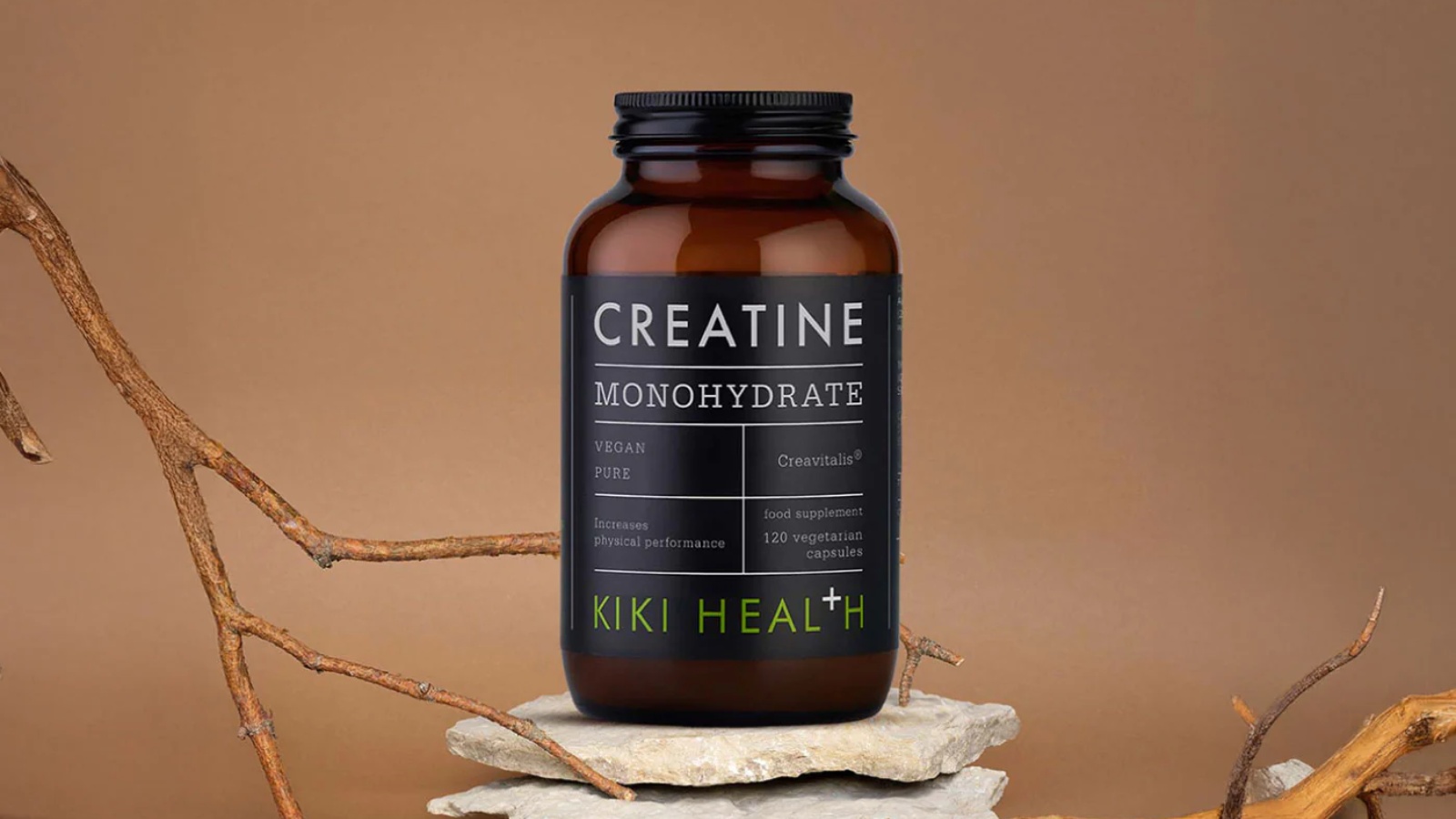
Food first. Always. But supplements have a real role, especially if you struggle to meet protein needs through meals alone. Appetite naturally decreases with age. A high-quality protein supplement can make a practical difference here.
Whey protein is the most well-researched option. It’s complete, highly bioavailable, and rich in leucine. Research shows whey protein combined with resistance exercise significantly improves muscle mass and strength in older adults. For those who are dairy-free or plant-based, pea protein is the strongest alternative.
Key supplements worth knowing about
Three others are worth highlighting. Creatine supports muscle energy and helps preserve strength in older adults, especially alongside resistance training. Leucine supplements help overcome anabolic resistance, boosting the signal to your muscles to grow and repair. And vitamin D is critical for muscle function. Deficiency is widespread across the UK, and research shows supplementation improves muscle strength and cuts fall risk.
Magnesium, omega-3 fatty acids, zinc, and B vitamins all play supporting roles too. A targeted supplement plan, built around a nutrient-dense diet, is a smart investment as the years go by.
What else supports muscle health beyond protein?
Nutrition is powerful. But it works best with a partner. Resistance training is the most effective stimulus for maintaining and building muscle at any age. Research shows that combining resistance exercise with adequate protein produces far better results than either approach alone.
You don’t need to be lifting heavy weights five times a week. Two to three sessions using bodyweight, resistance bands, or free weights is enough to make a real difference. Walking, swimming, and yoga all contribute to physical function. But they don’t replicate the muscle-preserving effects of resistance work. If you haven’t started yet, the most important step is simply the first one.
What are the most important steps you can take right now?
Protecting your muscle mass is one of the best investments you can make in your long-term health. And the habits that protect your muscles support healthy ageing across the board. Higher protein intake helps regulate blood sugar and maintain a healthy weight. Resistance training improves heart health, bone density, and cognitive function. Omega-3s reduce inflammation. Vitamin D supports immunity and mental wellbeing.
Muscle health and longevity aren’t separate goals. They’re the same goal. When you eat to support your muscles, you’re protecting your heart, your brain, your bones, and your metabolic health. You’re building a body that stays capable and resilient for as long as possible.
The science is clear. The tools are available. The time to start is now. Not when you turn 60. Not when things start to feel different. Now. Because the best time to invest in how you age was twenty years ago. The second-best time is today.
Medical Disclaimer:
Food supplements should not be used as a substitute for a varied and balanced diet and are not intended to diagnose, treat, cure or prevent any ailments.
This website contains general information about food supplements. The information is not advice and should not be treated as such. All content, including text, graphics, images and information available through this website, is for general information purposes only. bodykind makes no representation and assumes no responsibility for the accuracy of the information available through this website, and such information is subject to change without notice.
bodykind does not recommend, endorse or make any representation about the efficacy, appropriateness or suitability of any specific tests, products, procedures, treatments or other information that may be contained on or available through this website.
You must not rely on the information on this website as an alternative to medical advice from your doctor or other professional healthcare providers. You should consult your doctor or other professional healthcare providers if you have any specific questions about any medical matter. You should seek immediate medical attention if you think you may be suffering from any medical condition. You should never delay seeking medical advice, disregard medical advice, or discontinue medical treatment because of information on this website.

Comments are closed here.