The Burnout Warning: Why men run on empty and how to recharge
Many men put up with feeling tired for years before they ever stop to ask why. The truth is, persistent fatigue rarely has just one cause, but it almost always has a solution.

Contents
- Why are so many men running on empty these days?
- What's the difference between feeling tired and genuine fatigue?
- How do testosterone and male hormones affect energy levels?
- Which nutrients are men most commonly deficient in?
- What role does the adrenal system play in male fatigue?
- How does poor sleep specifically impact men's health and energy?
- What should men actually be eating to beat fatigue?
- Which supplements are worth your attention for fighting fatigue?
- What are the most important steps you can take today to start reclaiming your energy?
Why are so many men running on empty these days?
You wake up. The alarm goes off. And before your feet even hit the floor, you already feel tired. Sound familiar? You’re not alone. Millions of men across the UK are running on empty, day after day, propped up by caffeine and willpower. But here’s the thing. It’s not normal. And it’s definitely not something you have to accept.
Tiredness has become so common in men that it’s almost worn like a badge of honour. Push through. Man up. Sleep when you’re dead. The problem is, that attitude is quietly wrecking male health on a massive scale. Fatigue isn’t just inconvenient. It’s your body talking to you. Loudly.
It’s time to listen
The good news? In most cases, chronic tiredness in men has real, identifiable causes. Better still, many of those causes respond brilliantly to changes in diet, nutrition and targeted supplementation.
This article cuts through the noise. It looks at the hormonal, nutritional and lifestyle factors that are draining your energy. It also gives you practical, evidence-based tools to start feeling like yourself again.
What’s the difference between feeling tired and genuine fatigue?
Everyone feels tired sometimes. A bad night’s sleep, a hectic week, a few too many late nights. That kind of tiredness makes sense. You rest, you recover, you bounce back. Fatigue is different. It is the kind of exhaustion that does not shift, no matter how much you sleep. It sits in your muscles, clouds your thinking and flattens your mood.
For men, fatigue often creeps in gradually. It is easy to explain away. Blame the job. Blame the kids. Blame getting older. But when tiredness becomes your default setting, that’s a signal worth paying attention to.
When tired becomes a warning sign
Chronic fatigue in men can point to a range of underlying issues. Low testosterone, nutrient deficiencies, poor gut health, adrenal strain and disrupted sleep are all common culprits. Left unchecked, persistent fatigue can increase the risk of more serious conditions, including cardiovascular disease, type 2 diabetes and depression. Research published in the Journal of Clinical Endocrinology links chronic fatigue in men with hormonal imbalance and metabolic dysfunction.
Fatigue isn’t a character flaw. It’s a symptom. And symptoms are there to be investigated, not ignored.
How do testosterone and male hormones affect energy levels?
Testosterone is often talked about in terms of muscle and libido. But its role in energy is just as significant. Healthy testosterone levels support red blood cell production, metabolic function and motivation. When levels drop, everything slows down, including you.
Testosterone naturally declines with age, falling by roughly 1% per year after the age of 30. But modern life is accelerating that decline. Poor diet, chronic stress, lack of sleep, excess body fat and exposure to environmental toxins all suppress testosterone production. The result? A generation of men who feel older than their years.
The energy-hormone connection
Low testosterone does not just make you tired. It creates a knock-on effect throughout your body. Energy drops. Mood dips. Concentration suffers. Motivation evaporates. And because these symptoms develop gradually, many men simply adapt to feeling worse, never realising their hormones are at the root of it.
Studies published in the European Journal of Endocrinology confirm a strong link between low testosterone and fatigue in men. Supporting healthy testosterone levels through nutrition, think zinc, magnesium, vitamin D and healthy fats, can make a meaningful difference to how energised you feel every single day.
Which nutrients are men most commonly deficient in?
Men and women have different nutritional needs. Men tend to have higher muscle mass, faster metabolisms and greater demands for certain micronutrients. Yet most men’s diets fall well short of what their body actually needs to function at its best.
The nutrient deficiencies most commonly linked to fatigue in men include:
- Iron: Yes, men can be iron-deficient too, particularly those who exercise heavily or follow plant-based diets
- Vitamin D: Deficiency is widespread in the UK, and low vitamin D is directly linked to fatigue, low mood and reduced testosterone
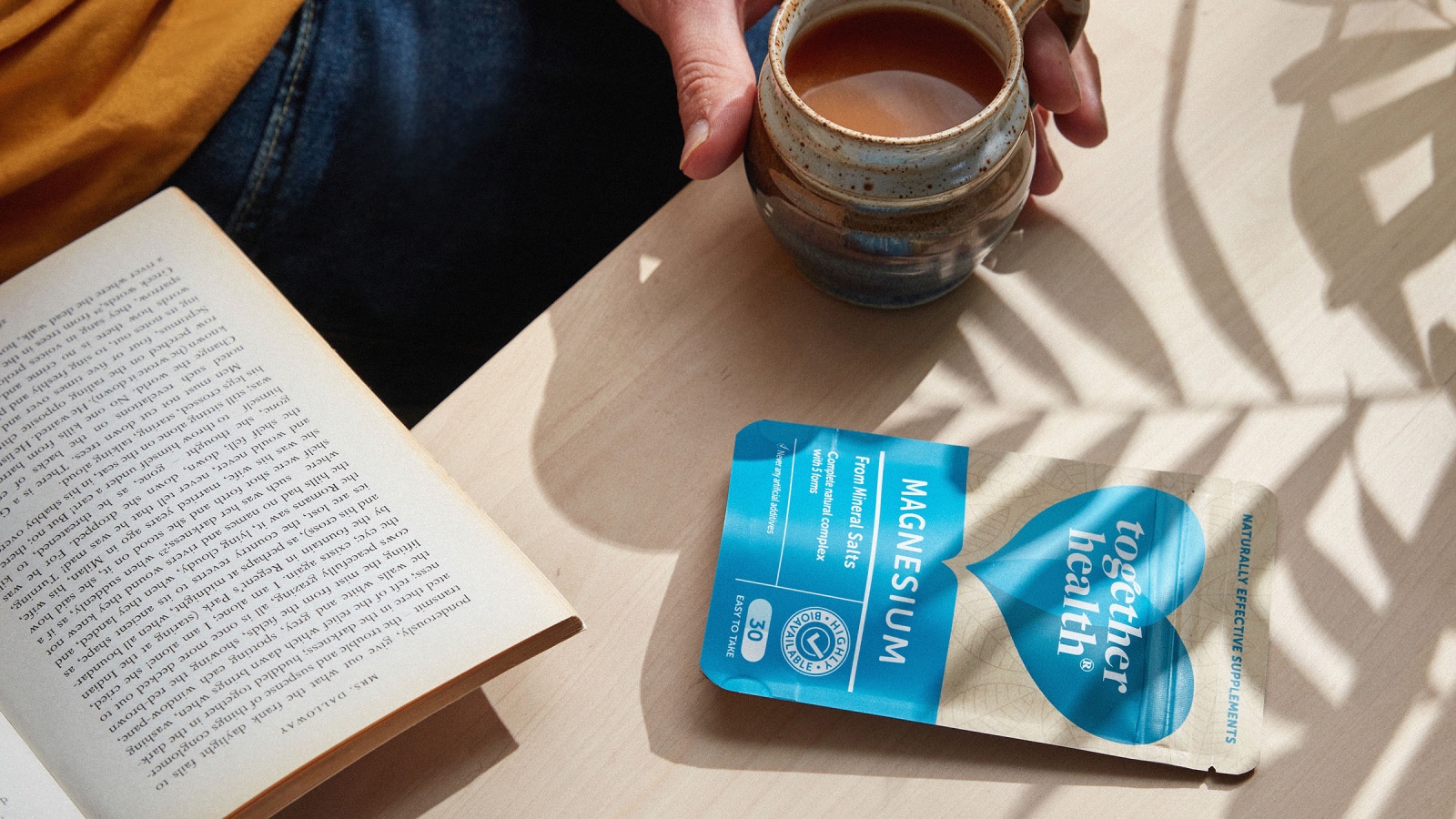
- Magnesium: Essential for energy production at a cellular level, and chronically low in men who eat processed foods or drink alcohol regularly
- B vitamins: Particularly B12 and B6, which are critical for converting food into usable energy
- Zinc: Vital for testosterone production and immune function, and easily depleted by stress and poor diet
- CoQ10: A nutrient that powers the mitochondria, the energy factories inside every cell in your body
Why men are particularly at risk
Men are less likely than women to seek medical advice, which means deficiencies often go undetected for years. Research from the British Nutrition Foundation highlights that many UK men fall short of the recommended intakes of magnesium, zinc and vitamin D. These are three nutrients that sit at the heart of male energy metabolism.
What role does the adrenal system play in male fatigue?
Sit with this for a second. Your adrenal glands are small. About the size of a walnut, perched on top of each kidney. But they punch well above their weight. They produce cortisol, adrenaline and a range of hormones that regulate your stress response, blood sugar, sleep and energy levels.
When life is relentless, with deadlines, financial pressure, relationship stress, and poor sleep, your adrenal glands work overtime. In the short term, that is fine. That is what they are designed for. The problem is when the pressure never lets up.
When stress becomes exhaustion
Prolonged stress leads to sustained high cortisol. Over time, this disrupts sleep, suppresses testosterone, depletes key nutrients and leaves you in a state of near-constant fatigue. Some practitioners refer to this as adrenal fatigue, though the more accurate clinical term is HPA axis dysregulation.
The nutrients most important for supporting adrenal health include vitamin C, B5 (pantothenic acid), magnesium and adaptogenic herbs like ashwagandha and rhodiola. A clinical review in the Journal of the International Society of Sports Nutrition found that ashwagandha supplementation significantly reduced cortisol levels and improved energy and vitality in men under chronic stress.
How does poor sleep specifically impact men’s health and energy?
Men are notoriously bad sleepers. Research consistently shows that men are more likely to suffer from sleep apnoea, take longer to fall asleep and spend less time in restorative deep sleep than women. And the consequences go far beyond feeling groggy in the morning.
Poor sleep disrupts testosterone production. Most testosterone is produced during deep sleep, so even a few nights of broken rest can cause a measurable drop in levels. Poor sleep also elevates cortisol, increases inflammation, impairs blood sugar regulation and hammers cognitive function. Basically, everything you need to feel human.
Nutrients that support deeper, better sleep
Specific nutrients can make a real difference to sleep quality in men.
- Magnesium glycinate, which helps relax your nervous system and promotes deeper sleep
- Ashwagandha reduces cortisol and supports your body’s natural sleep-wake cycle
- L-theanine, an amino acid found in green tea, promotes calm without sedation
- Vitamin D, low levels of which are linked to poor sleep quality and shorter sleep duration
- Zinc plays a key role in melatonin production and sleep regulation
A study published in the journal Nutrients found that magnesium supplementation significantly improved sleep quality, sleep duration and morning alertness in adults with low magnesium levels. That is most of us, by the way.
What should men actually be eating to beat fatigue?

Start in the kitchen. Build from there. Supplements are powerful, but they work best when built on a solid nutritional foundation. So what does an energy-supporting diet actually look like for men?
Make sure you include quality protein in every meal. Protein stabilises blood sugar, supports muscle repair and provides the amino acids your body needs for neurotransmitter production. Think eggs, oily fish, lean meat, legumes and quality dairy.
Foods that fuel male energy
Next, embrace healthy fats. Your brain is roughly 60% fat, and your hormones are made from cholesterol. Cutting fat from your diet does not make you healthier. It starves your endocrine system. Avocado, olive oil, nuts, seeds and oily fish like salmon and mackerel are your friends here.
Complex carbohydrates matter too. They provide steady, sustained energy without the blood sugar spikes and crashes that leave you reaching for a biscuit at 3pm. Sweet potato, oats, brown rice and legumes are all excellent choices.
Finally, do not underestimate the power of colour on your plate. Dark leafy greens, berries, beetroot and cruciferous vegetables are packed with the micronutrients and antioxidants that protect mitochondrial function and keep your energy systems firing. A review in Frontiers in Nutrition links higher dietary antioxidant intake with reduced fatigue and improved physical performance in men.
Which supplements are worth your attention for fighting fatigue?
The supplement market is enormous. And noisy. Not everything on the shelf deserves your money or your trust. But some supplements have genuinely strong evidence behind them for male energy, and they are worth knowing about.
- Ashwagandha is arguably the most well-researched adaptogen for male energy, stress resilience and testosterone support
- Magnesium is a mineral that many men don’t get enough of, and supplementing can help energy, sleep and muscle recovery
- Vitamin D3 with K2 is essential for testosterone production, immune function and mood
- B-complex vitamins support energy metabolism at a cellular level and are rapidly depleted by stress
- CoQ10 is particularly valuable for men over 40, as natural levels decline with age
- Rhodiola rosea is a powerful adaptogen shown to reduce mental and physical fatigue
- Zinc supports testosterone, immune health and cellular energy production
Cutting through the noise
Choosing supplements can feel overwhelming. A good starting point is to get a blood test to identify any specific deficiencies. From there, focus on the fundamentals. Vitamin D, magnesium and a quality B-complex are a solid base for most men. Build from there based on your individual needs, lifestyle and health goals.
Quality matters enormously. Look for supplements that are third-party tested, free from unnecessary fillers and made by reputable manufacturers who prioritise transparency. Some of our most popular brands include Together Health, Viridian, DR.VEGAN, Kiki Health and TERRANOVA.
What are the most important steps you can take today to start reclaiming your energy?
Fatigue does not have to be your normal. That’s the takeaway here. The tiredness that so many men carry around like a backpack full of bricks is, in most cases, addressable. Through food, through targeted nutrition, through better sleep habits and through understanding what your body actually needs.
Start simple. Get your vitamin D, testosterone and iron levels checked. Clean up your diet, more whole foods, less processed rubbish. Prioritise sleep like it is a non-negotiable, because it is. And consider a few well-chosen supplements to fill the gaps that diet alone cannot always bridge.
The bigger picture
The culture of pushing through exhaustion has not served men well. Fatigue is information. It is your body asking for something it is not getting. The sooner you listen, the sooner you start feeling the way you are supposed to feel. Sharp, strong and genuinely full of energy.
Your kitchen is one of the most powerful places to start. Real food, eaten consistently and mindfully, has a remarkable ability to restore what modern life strips away. Add targeted supplements where needed, fix your sleep and give your body the raw materials it has been crying out for. The transformation might surprise you.
Medical Disclaimer:
Food supplements should not be used as a substitute for a varied and balanced diet and are not intended to diagnose, treat, cure or prevent any ailments.
This website contains general information about food supplements. The information is not advice and should not be treated as such. All content, including text, graphics, images and information available through this website, is for general information purposes only. bodykind makes no representation and assumes no responsibility for the accuracy of the information available through this website, and such information is subject to change without notice.
bodykind does not recommend, endorse or make any representation about the efficacy, appropriateness or suitability of any specific tests, products, procedures, treatments or other information that may be contained on or available through this website.
You must not rely on the information on this website as an alternative to medical advice from your doctor or other professional healthcare providers. You should consult your doctor or other professional healthcare providers if you have any specific questions about any medical matter. You should seek immediate medical attention if you think you may be suffering from any medical condition. You should never delay seeking medical advice, disregard medical advice, or discontinue medical treatment because of information on this website.

Comments are closed here.