The Tired Truth: Why your sleep habits matter more than you think
Sleep plays a vital role in keeping your eyes healthy, comfortable and functioning at their best. Understanding how poor sleep affects your vision can help you take simple steps to protect your eye health every day.

Contents
- Why should you care about the link between sleep and your eyes?
- How does poor sleep impact your eye comfort day-to-day?
- What long-term problems can a lack of sleep cause for your eyes?
- What role does sleep play in tear production and eye hydration?
- Can poor sleep affect how clearly you see?
- How do lifestyle habits around sleep influence your eye health?
- What can you do to protect your eyes through better sleep?
- How can better sleep help you see the world more clearly?
Why should you care about the link between sleep and your eyes?
You probably already know how important sleep is for your mood, focus and energy levels. But have you ever thought about how it affects your eyes?
Most of us wake up after a poor night’s sleep with puffy eyes, dark circles or that dry, gritty feeling that makes you want to close them again straight away. This isn’t just a sign you need more rest; it’s your body’s way of showing that your eyes depend on good sleep to stay healthy.
Your eyes work hard all day
From the moment you wake up, your eyes are constantly in motion. They help you focus on tiny details, react to changes in light, and allow you to enjoy the beauty around you. During the day, your eyes need to stay lubricated and clear, which depends on a steady supply of tears and healthy blood flow. When you don’t get enough sleep, these processes can become disrupted.
It’s easy to forget that your eyes, just like the rest of your body, repair and recover while you sleep. At night, your body works to clear away irritants and replenish moisture so your eyes feel fresh and ready in the morning. Skipping on sleep can leave your eyes more prone to redness, dryness and even infections.
Why does a lack of sleep make your eyes feel worse?
After a restless night, you might notice your vision feels a little blurry or your eyes feel heavy and irritated. That’s because poor sleep can affect the tear film that protects the surface of your eyes. A thin, stable tear film is essential for clear vision and comfort.
When you don’t sleep well, your eyes may not produce enough tears, or the quality of your tears may suffer. This can lead to dry eye symptoms such as itching, burning and a sensation of grittiness. Over time, chronic sleep deprivation may even increase your risk of more serious eye conditions, including glaucoma and retinal issues.
How better sleep supports bright, comfortable eyes
Getting enough rest isn’t just about feeling refreshed; it’s crucial for your eye health too. A regular sleep routine helps your eyes repair, keeps them hydrated and supports clear vision. You might think that applying eye drops or using a cold compress can solve all your morning eye problems. While these can help in the short term, they don’t address the root cause.
Quality sleep gives your eyes time to:
- Restore the delicate tissues that support your vision
- Maintain healthy tear production
- Reduce inflammation and puffiness
- Strengthen your natural defences against irritants and infections
Taking steps to improve your sleep not only helps your eyes, but it also benefits your whole body and mind.
How does poor sleep impact your eye comfort day-to-day?
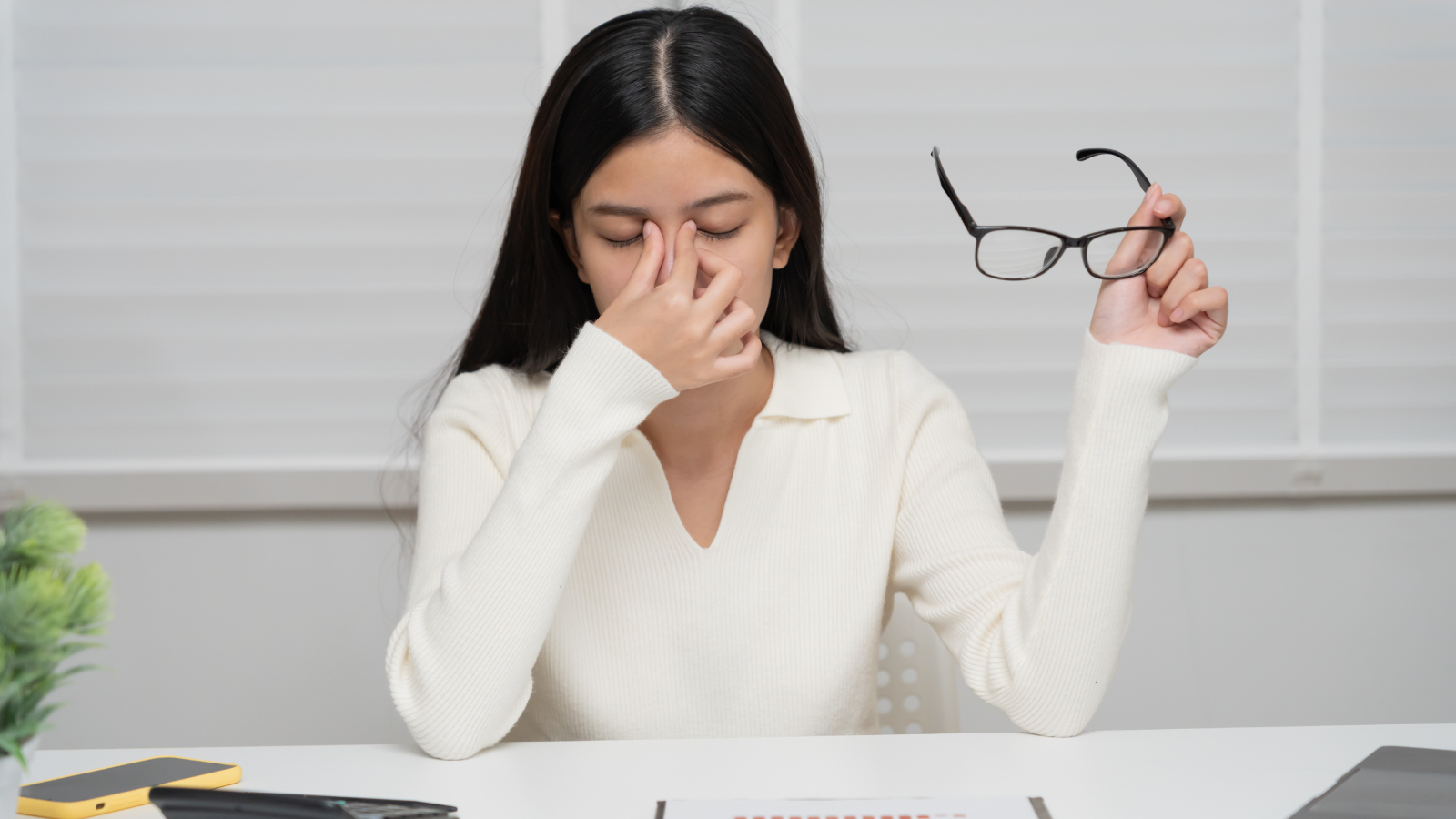
You might think one bad night’s sleep only affects your energy or mood the next day. But have you noticed how your eyes feel heavy, dry or irritated after tossing and turning all night? Poor sleep has an immediate impact on your eye comfort, making daily activities, such as working, driving or reading, more difficult.
Why do your eyes feel so tired?
When you don’t get enough sleep, your eyes struggle to stay properly lubricated. Tears help protect your eyes and keep them smooth and clear. Without good quality rest, your tear production drops, leaving your eyes dry and prone to redness. You might find yourself blinking more often, rubbing your eyes or needing to use artificial tears just to get through the day.
Even if you don’t realise it, your eyes are constantly moving and focusing throughout your waking hours. A lack of sleep can reduce blood flow to the eyes, making them feel heavy and sluggish. This can lead to that familiar gritty, sandy feeling when you try to concentrate or look at a screen for too long.
Common day-to-day eye problems after poor sleep
It’s easy to dismiss mild discomfort, but ignoring these signs can affect your productivity and enjoyment of everyday life. You might notice:
- Blurred vision: Your eyes may struggle to focus, making words on a page or screen appear less sharp.
- Eye twitching: Tiny, repetitive muscle spasms can start when your eyes are overworked and tired.
- Sensitivity to light: Bright screens or sunlight may feel more intense, forcing you to squint or turn away.
- Redness and puffiness: Lack of sleep often leads to visible blood vessels and swollen eyelids, making your eyes look as tired as you feel.
Simple ways to support your eyes after a restless night
Although the best solution is always better sleep, there are a few steps you can take to support your eyes in the meantime. Stay hydrated, as dehydration can worsen dryness and irritation. Try using a cool compress to soothe puffiness and redness. If you wear contact lenses, consider switching to glasses for the day to reduce strain.
It also helps to take regular breaks from screens, following the 20-20-20 rule: every 20 minutes, look at something 20 feet away for at least 20 seconds. This simple habit helps your eyes reset and reduces fatigue.
Over time, prioritising proper rest will help keep your eyes feeling comfortable and clear each day. If you continue to struggle with tired, irritated eyes, it’s worth reviewing your sleep habits and daily screen use to support your long-term eye health.
What long-term problems can a lack of sleep cause for your eyes?
Missing out on sleep might not feel serious at first, but over time, it can lead to more than just tired, puffy eyes. If you regularly cut your sleep short, you put your eye health at risk. Good sleep isn’t just about how you feel in the morning; it plays a vital role in protecting your vision for years to come.
Increased risk of eye infections
Your eyes rely on a healthy tear film to wash away dust, debris and bacteria. Poor sleep can disrupt this protective layer, leaving your eyes vulnerable. When your eyes don’t produce enough tears, you’re more likely to experience infections like conjunctivitis (commonly called pink eye).
A weakened immune system is another problem linked to sleep deprivation. Your body needs sleep to fight off infections effectively, and your eyes are no exception. Without enough rest, your natural defences weaken, making infections more common and slower to heal.
Higher chance of developing dry eye syndrome
Chronic sleep loss is linked to dry eye syndrome, a condition where your eyes don’t make enough tears or the tears evaporate too quickly. Dry eyes can become more than just a minor irritation. Over time, they can damage the surface of your eye, affecting both comfort and vision.
If your eyes often feel gritty or you find yourself constantly reaching for eye drops, your sleep habits could be partly to blame. Addressing your sleep patterns may help reduce dryness and improve overall eye comfort.
Potential links to more serious eye diseases
Emerging research suggests that poor sleep could raise your risk of more severe eye conditions. Studies show possible connections between sleep disorders and glaucoma, a disease that damages the optic nerve and can lead to vision loss if untreated.
Reduced blood flow to the eyes and increased pressure inside the eye during sleep problems may contribute to this risk. Although more research is needed, protecting your sleep could help lower your chances of developing these serious issues.
Protect your future vision by prioritising sleep
It’s easy to focus on quick fixes like eye drops or cooling masks when your eyes feel tired. However, these only treat the surface symptoms. To truly protect your long-term eye health, you need to look at the root causes, and sleep sits at the very top of that list.
By prioritising good sleep, you help:
- Strengthen your eyes’ natural protective barriers
- Maintain a healthy tear film
- Support healing and cell repair
- Reduce your risk of long-term damage
Choosing to make sleep a priority today supports not only your energy and focus but also the health of your eyes for years to come. Small changes to your evening routine can have a big impact on how clearly you see the world tomorrow.
What role does sleep play in tear production and eye hydration?
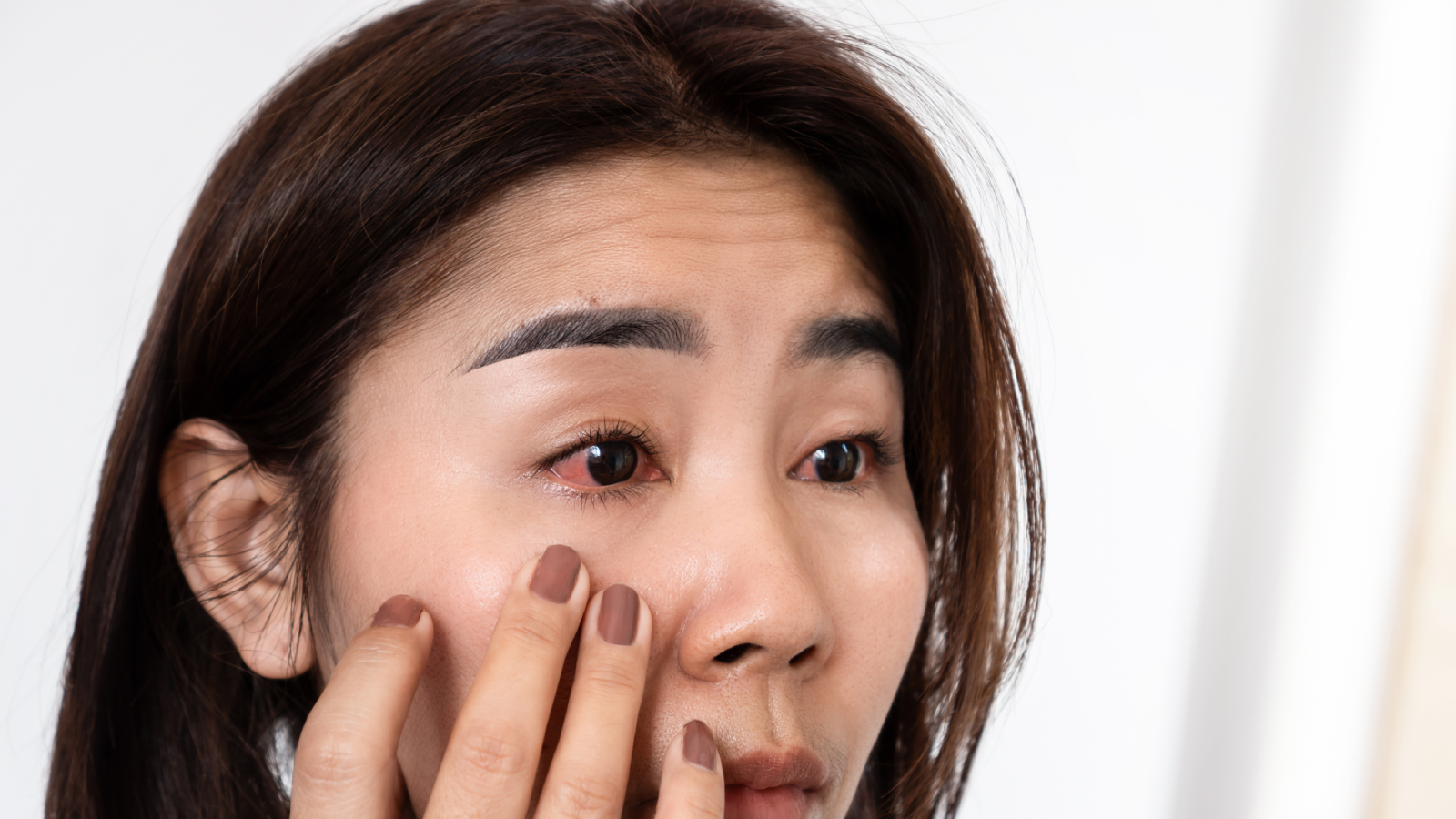
When you think about good sleep, you might picture better focus, brighter skin or more energy. But did you know your eyes rely on those precious hours of rest to stay moist and comfortable? Your eyes need a steady, healthy tear film to protect their surface and keep your vision clear. Without good sleep, this delicate system can break down quickly.
Why your tears matter more than you think
Your tear film does more than stop your eyes from feeling dry. It acts as a smooth protective layer, helps wash away debris and reduces the risk of infection. A strong, stable tear film also keeps your vision sharp, allowing light to enter your eyes smoothly.
When you’re sleep-deprived, your eyes may not produce enough tears. Even worse, the quality of your tears can suffer. Instead of forming a smooth, protective layer, your tears may evaporate too quickly, leaving dry spots on your eye surface. Over time, this can cause irritation, blurred vision and even small scratches on your cornea.
How poor sleep disrupts tear production
Your tear glands rely on rest to function properly. During sleep, your eyes recover, and your tear glands replenish the fluid needed to protect your eyes throughout the day. Without enough quality sleep, these glands can’t produce or balance tears effectively.
You may notice:
- Morning dryness: Waking up with gritty or sticky eyes.
- Redness: A lack of moisture can make blood vessels more visible.
- Increased sensitivity: Dry eyes often become more sensitive to wind, light or smoke.
- Frequent blinking: Your eyes try to compensate for dryness by blinking more often.
Supporting healthy tear production
While eye drops and warm compresses can bring short-term relief, addressing the root cause is key. Improving your sleep habits supports your tear glands and keeps your eyes naturally hydrated.
Simple steps include creating a calming bedtime routine, limiting screen time before bed and keeping your bedroom cool and dark. Staying hydrated during the day also helps support tear quality, as your body needs enough fluid to keep every part, including your eyes, working well.
If you still struggle with dryness, consider nutrients that support eye moisture, such as omega-3 fatty acids. These healthy fats can help improve tear quality and reduce inflammation in the eye surface.
Good sleep and proper hydration work hand in hand to keep your eyes feeling comfortable and your vision clear. By giving your body enough time to rest and repair, you’re investing in brighter, healthier eyes every day.
Can poor sleep affect how clearly you see?
When you think of a bad night’s sleep, you probably imagine feeling groggy or struggling to concentrate. But have you noticed that your vision can seem off too? Poor sleep doesn’t just leave you feeling tired — it can make the world look blurry and harder to navigate.
Why your eyes struggle to focus when you’re tired
Sleep helps refresh every part of your body, including your eyes. During deep sleep, your visual system repairs itself, clears toxins and resets for the day ahead. Without proper rest, your eyes may struggle to coordinate and focus properly.
After a night of poor sleep, you might find it harder to:
- Keep objects in focus: Words on a page or screen may look fuzzy.
- Switch focus quickly: Moving your gaze from your phone to the horizon can feel sluggish.
- Judge distances: Tasks like driving or parking might seem more challenging.
These changes aren’t just frustrating. They can make daily tasks less safe and knock your confidence when doing things that rely on quick, sharp vision.
The link between tired eyes and slower brain processing
Your eyes and brain work together as a team. While your eyes capture images, your brain processes them into the world you see. When you’re sleep-deprived, this processing slows down.
This can lead to:
- Slower reaction times: You may take longer to respond to unexpected movements on the road.
- Difficulty tracking movement: Following fast-moving objects, like a ball in sport, becomes harder.
- Poor visual memory: You might forget where you placed something, even if you just saw it.
These effects highlight how crucial sleep is, not just for comfort but also for performance and safety.
Supporting clearer vision through better sleep
While glasses and eye exercises might help with focus, they don’t replace the benefits of good sleep. A consistent sleep routine gives your eyes and brain the rest they need to work in harmony.
To support clearer vision, try:
- Sticking to a regular bedtime and wake-up time, even on weekends.
- Avoiding bright screens at least one hour before bed to reduce strain.
- Keeping your bedroom dark and cool to encourage deeper sleep.
Getting enough rest helps you wake up with eyes that feel refreshed and ready to take on the day. You’ll find it easier to focus, move confidently and enjoy your surroundings without squinting or straining.
Small changes to your nightly habits can make a big difference to how clearly you see and how well you move through the world each day.
How do lifestyle habits around sleep influence your eye health?
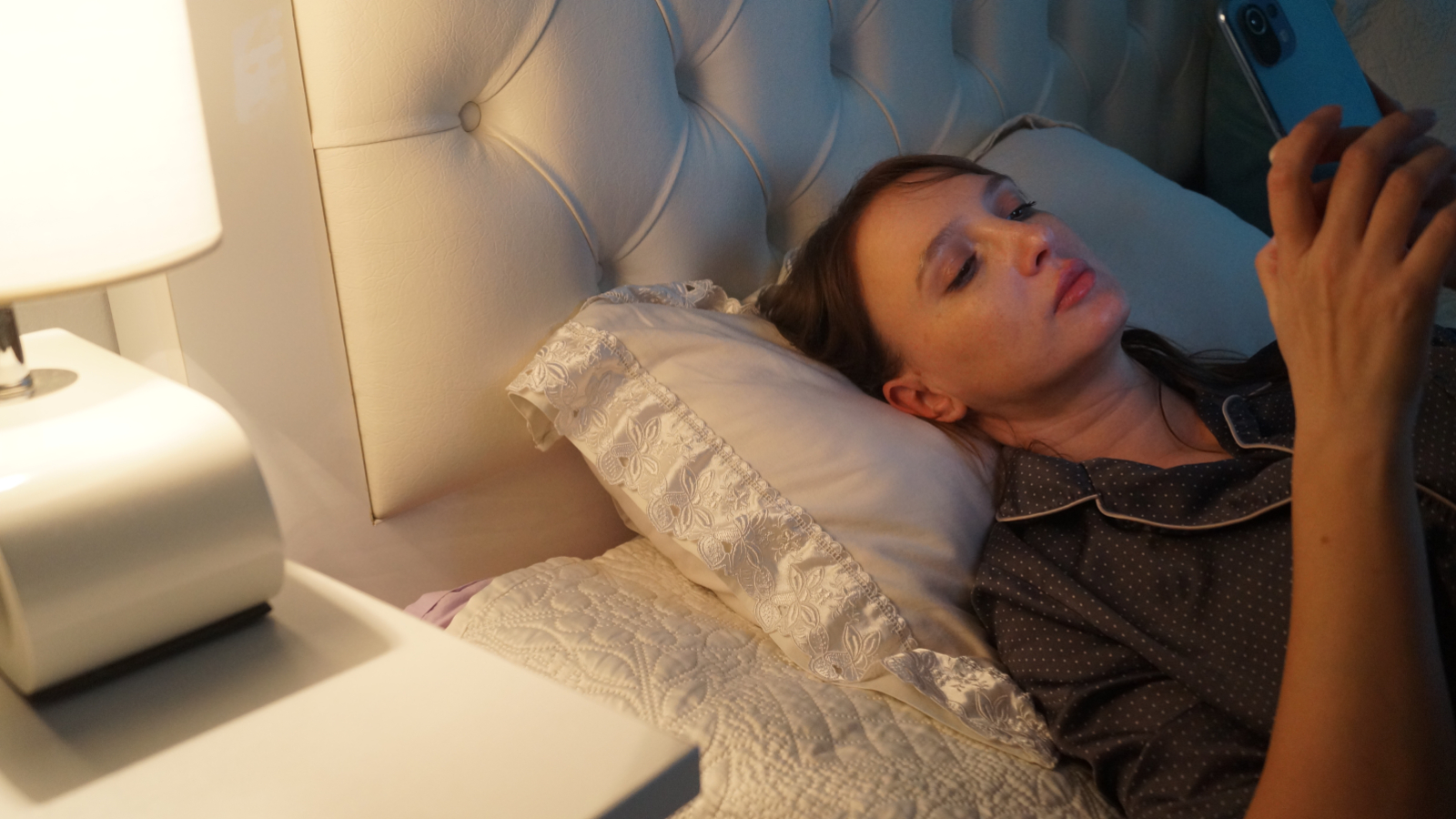
It’s easy to focus on what you do during the day, but what happens before and during sleep plays a big role in your eye health too. The small habits you build into your evenings can decide whether you wake up with fresh, bright eyes or dry, irritated ones.
The impact of late-night screen time
Scrolling through your phone or watching TV in bed can feel like the perfect way to unwind. However, that blue light coming from screens tricks your brain into thinking it’s still daytime. This reduces melatonin production, making it harder to fall into deep, restorative sleep.
When your sleep quality suffers, your eyes pay the price. You might notice dryness, sensitivity to light or even twitching the next day. Reducing screen time at least one hour before bed can help protect your natural sleep rhythms and keep your eyes feeling comfortable.
How your sleep environment affects your eyes
The environment where you sleep can make or break your eye health. A dry bedroom, for example, can lead to overnight dehydration of your eyes. Central heating or air conditioning can make this worse, leaving you with dry, gritty eyes when you wake up.
You can support your eyes by:
- Using a humidifier: This keeps the air moist and helps prevent overnight dryness.
- Keeping the room cool and dark: A calm, comfortable space supports deeper sleep and helps your eyes recover.
- Avoiding strong fragrances: Some scented candles and diffusers can irritate your eyes and disrupt sleep.
The role of evening routines
What you do before bed has a powerful impact on how well you sleep and how your eyes feel in the morning. Rushing around, drinking caffeine late or staying up too late can all reduce the quality of your rest.
A calming bedtime routine can make a big difference. Try sipping a caffeine-free herbal tea, reading a book or practising gentle stretches to help your body unwind. Over time, these habits train your brain to prepare for sleep, giving your eyes the deep recovery they need.
Supporting eye health from the inside
Your diet and nutrient intake also shape your sleep quality and eye comfort. Nutrients like magnesium and omega-3 fatty acids can support restful sleep and healthy tear production. Supplements from trusted brands, such as Viridian or Together Health, can help you fill any gaps in your diet and support overall eye wellness.
Simple changes to your habits today can help you enjoy clear, comfortable vision tomorrow. By creating an evening routine that prioritises rest and choosing an environment that supports sleep, you give your eyes the care they truly deserve.
What can you do to protect your eyes through better sleep?
If you often wake up with dry, heavy or irritated eyes, it might be time to look at your sleep habits. Improving your sleep isn’t just about feeling more alert; it’s one of the most effective ways to support your eye health and keep your vision clear.
Build a consistent sleep routine
Your body loves routine, and your eyes do too. Going to bed and waking up at the same time each day helps set your internal clock. Over time, this encourages deeper, more restorative sleep, which gives your eyes the chance to heal and hydrate.
A calm, predictable evening schedule also makes it easier to fall asleep. Choose relaxing activities before bed, such as reading, gentle stretching or listening to calming music. Avoid intense workouts or stressful tasks, as these can raise your heart rate and make sleep harder to achieve.
Create an eye-friendly bedroom environment
Your bedroom should be a restful retreat, free from bright lights and harsh air. Bright artificial light can disrupt melatonin production, which affects your ability to drift off and stay asleep.
To help protect your eyes while you sleep:
- Keep your room dark: Use blackout curtains or an eye mask to block light.
- Maintain a cool temperature: A slightly cool room supports better sleep quality.
- Use a humidifier: This prevents the air from drying out your eyes overnight.
- Limit electronic devices: Avoid screens at least one hour before bed to reduce eye strain.
Small changes to your sleeping environment can make a big difference to your eye comfort in the morning.
Support your sleep and eyes through nutrition
What you eat can also affect how well you sleep and, in turn, your eye health. Nutrients such as magnesium and vitamin B6 help support a calm nervous system and promote restful sleep. Omega-3 fatty acids can also improve tear quality, reducing dryness.
Supplements from brands like KIKI Health, Viridian and Together Health offer high-quality options if you struggle to get these nutrients from food alone. Always choose reputable sources to ensure you’re giving your body and eyes the best support.
Prioritise hydration
Being well hydrated helps keep your eyes moist and comfortable. Drink water steadily throughout the day rather than trying to catch up in the evening. Good hydration can help improve tear production and reduce morning dryness.
Small changes, big impact
Taking simple, consistent steps to improve your sleep can transform the way your eyes feel and function. When you prioritise rest, you give your eyes the time they need to repair and recharge, helping you wake up with clear, comfortable vision.
Making these changes today helps you enjoy brighter, healthier eyes, so you can see the world at its best every day.
How can better sleep help you see the world more clearly?
When you think about protecting your eyes, you might focus on sunglasses, screen breaks or eye drops. But sleep is just as essential. Prioritising quality rest each night can completely transform how your eyes feel and how clearly you see the world around you.
The power of overnight repair
During sleep, your body works hard to repair and restore itself. Your eyes are no exception. Overnight, your tear glands refresh, your corneas heal tiny scratches, and inflammation levels drop. This nightly reset helps your eyes feel fresh, hydrated and ready for the day ahead.
Without enough rest, these important repair processes get interrupted. Over time, this can lead to dryness, discomfort and even more serious issues affecting your long-term vision. By giving your body the time it needs to recover, you’re actively investing in your eye health.
Small steps lead to brighter mornings
You don’t need to make huge changes overnight to see a difference. Simple habits can help support better sleep and clearer vision:
- Stick to a consistent bedtime and wake-up time.
- Avoid screens and bright lights before bed.
- Create a calm, cool and dark bedroom environment.
- Include eye-friendly nutrients such as omega-3 fatty acids and magnesium.
These steps might seem small, but together they can have a big impact on how your eyes feel in the morning and throughout your day.
See the world at its best
Healthy sleep doesn’t just help you feel more energised, it allows you to see life more vividly. Colours appear brighter, details feel sharper and everyday activities feel easier and more enjoyable.
When you wake up after a good night’s sleep, your eyes feel comfortable and ready to take on whatever the day brings. You can focus better, move with confidence and appreciate the beauty around you without discomfort or distraction.
Prioritising your sleep is one of the most effective ways to protect your eye health and preserve your vision for the future. By choosing to prioritise rest, you’re choosing to see the world in its full, vibrant detail, every single day.

Comments are closed here.