Top 10 Power-Packed Gluten-Free Superfoods You Need to Try
A superfood is any nutrient-rich food that provides significant health benefits. But why gluten-free superfoods? If you have coeliac disease or gluten sensitivity, these foods are essential for your overall health and wellbeing.

Contents
- What are superfoods and why should you choose gluten-free options?
- What benefits can gluten-free superfoods offer?
- Gluten-free superfoods uncovered
- 1. Quinoa: A protein-packed grain for every meal
- 2. Kale: The king of greens
- 3. Blueberries: The antioxidant powerhouse
- 4. Sweet Potatoes: Packed with nutrition, loaded with flavour
- 5. Pumpkin seeds: Your daily dose of minerals and antioxidants
- 6. Chia Seeds: Small, simple, and super nutritious
- 7. Buckwheat: A protein-packed grain for energy and vitality
- 8. Teff: The gluten-free grain packed with protein and fibre
- 9. Flaxseeds: Packed with omega-3s, fibre, and antioxidants
- 10. Amaranth: Protein-rich, heart-healthy, and full of fibre
- 1. Quinoa: A protein-packed grain for every meal
- Tips for incorporating these superfoods into your diet
What are superfoods and why should you choose gluten-free options?
Superfoods are packed with nutrients and provide benefits beyond basic nutrition. But why choose gluten-free options? If you have coeliac disease or gluten sensitivity, they’re essential. However, even without these conditions, gluten-free superfoods enhance your diet with more vitamins, minerals, and antioxidants, helping boost your nutrition without reducing potential inflammation.
Moreover, eating foods that support your health and values also improves your psychological wellbeing. Feeling good about your food choices boosts overall happiness, enhancing other areas of your life, for a happier, healthier you.
What benefits can gluten-free superfoods offer?
Embracing gluten-free superfoods offers extensive benefits, improving your diet’s nutritional quality and potentially leading to better health. Whether you have a gluten intolerance or simply want to elevate your eating habits, these superfoods can offer a delicious and healthy addition to your daily meals.
If you have coeliac disease or gluten sensitivity
- Gut health support: Gluten-free superfoods help you maintain a healthy gut by preventing digestive issues triggered by gluten.
- Reduced inflammation: Chronic inflammation can cause many health issues, but gluten-free superfoods offer powerful anti-inflammatory benefits to keep you healthy.
If you want to improve your eating habits:
- Enhanced overall health: Gluten-free superfoods pack more nutrients than gluten-containing foods, providing essential vitamins and minerals to support your health.
- Weight management: Adding gluten-free superfoods to your diet can help you maintain a healthy weight by promoting balanced nutrition.
Gluten-free superfoods uncovered
1. Quinoa: A protein-packed grain for every meal
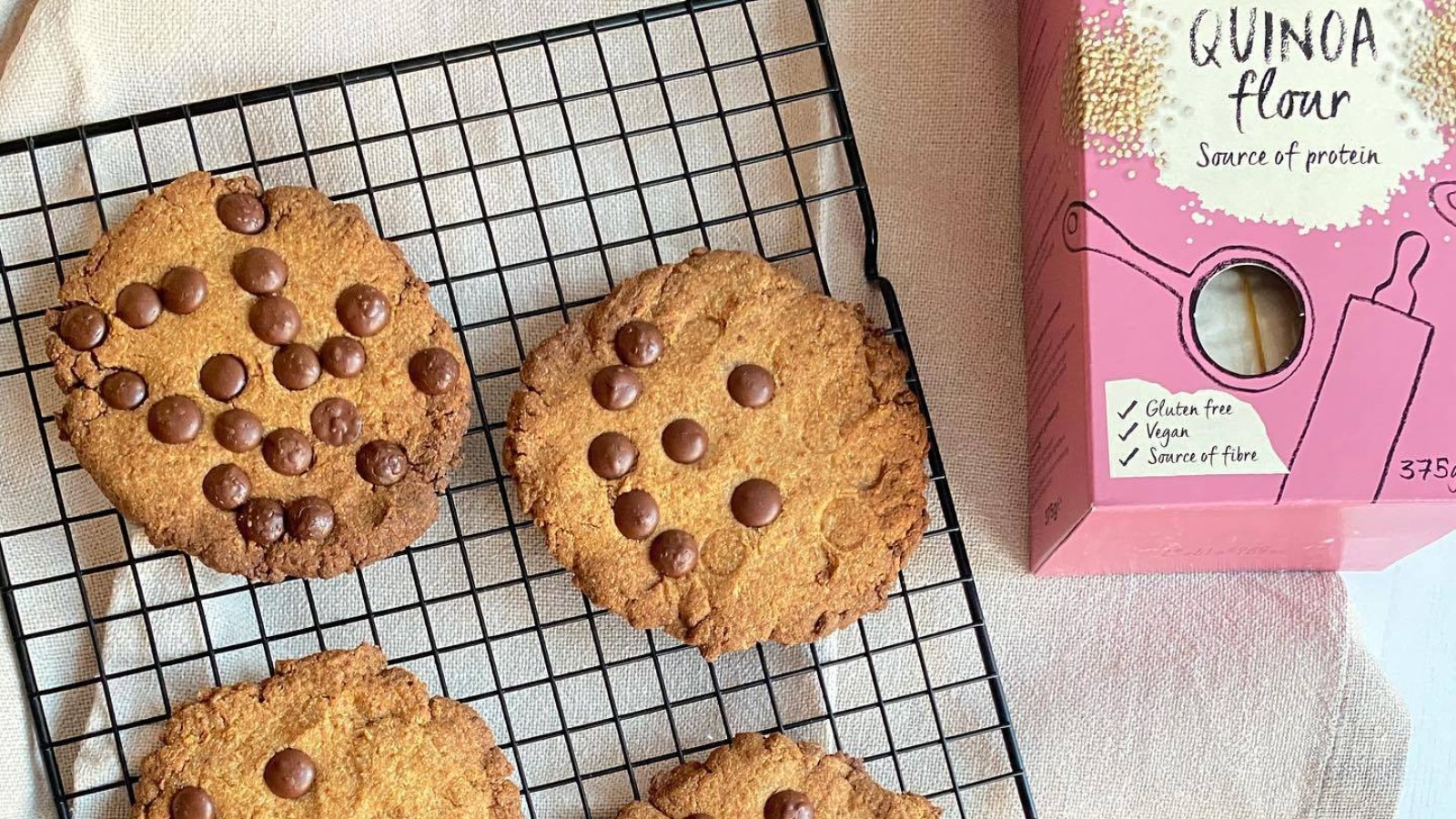
Quinoa, often called a super grain, is actually an exceptional gluten-free, nutrient-packed seed. This versatile superfood offers impressive health benefits and is one of the rare plant-based complete proteins. It contains all nine essential amino acids your body cannot produce naturally. Quinoa is also rich in fibre, magnesium, B vitamins, iron, potassium, calcium, phosphorus, vitamin E, and powerful antioxidants.
- Protein helps muscle repair and growth
- Fibre aids digestion and keeps you feeling full longer
- Magnesium and B vitamins are vital for energy production and improving your mood
- Iron is crucial for blood health and energy levels
- Antioxidants protect your cells from damage and may help reduce inflammation
How can you incorporate quinoa into your daily diet?
Here are some simple, tasty ways to enjoy quinoa:
- Breakfast: Start your day with quinoa porridge. Cook it in almond or coconut milk and top with your favourite berries and nuts for a nourishing breakfast.
- Lunch: Add cooked quinoa to your salads for a protein boost. It pairs beautifully with leafy greens, diced vegetables, and a zesty dressing.
- Dinner: Use quinoa as a substitute for rice or pasta. It’s perfect as a side dish or mixed into casseroles and stir-fries.
- Snacks: Make quinoa energy bars or balls by combining cooked quinoa with nut butter, honey, and mixed seeds for a quick, energy-boosting snack.
2. Kale: The king of greens
Kale is a powerhouse of nutrients, known for its high content of vitamins A, K and C, and minerals like manganese and copper.
- Vitamin A promotes healthy vision and skin.
- Vitamin K is essential for blood clotting and bone health.
- Vitamin C boosts your immune system and acts as a powerful antioxidant.
How can you incorporate kale into your daily diet?
Kale can be enjoyed in numerous delicious ways:
- Smoothies: Blend kale with fruits like bananas and apples for a nutrient-packed smoothie.
- Salads: Massage chopped kale with a little olive oil and lemon juice to soften it up, then add your favourite salad toppings.
- Cooked dishes: Sauté kale as a side dish with garlic and olive oil, or toss it into soups and stews for added nutrients.
3. Blueberries: The antioxidant powerhouse
Blueberries are celebrated for their high levels of antioxidants, particularly anthocyanins, which give them their distinctive blue colour. These antioxidants are linked with numerous health benefits, including enhanced brain health, improved heart health, and cancer prevention.
How can you incorporate blueberries into your daily diet?
Blueberries are incredibly versatile:
- Breakfast: Sprinkle blueberries on your cereal or yoghurt for a superfood boost.
- Snacks: Enjoy fresh blueberries as a sweet, low-calorie snack anytime.
- Desserts: Use them in desserts like muffins or pies for a healthy twist.
4. Sweet Potatoes: Packed with nutrition, loaded with flavour
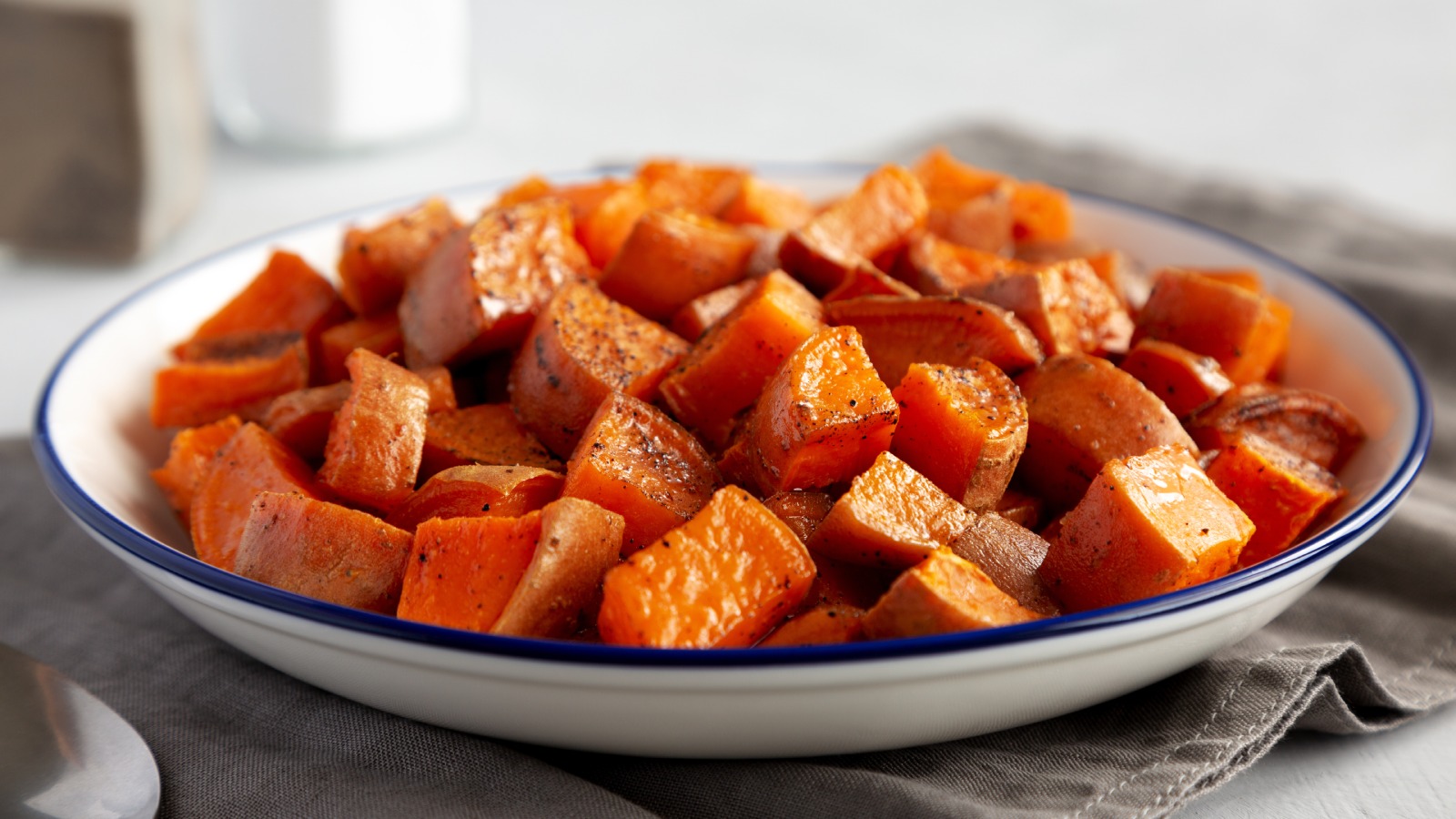
Sweet potatoes are a colourful addition to any diet. They’re regarded as a superfood due to their high levels of vitamins, particularly vitamin A in the form of beta-carotene. They’re also a good source of vitamin C, manganese, copper, pantothenic acid, and fibre.
- Vitamin A is vital for vision, growth, and immune function.
- Vitamin C helps in the repair of body tissues and boosts immune health.
- Fibre supports digestive health and helps control blood sugar levels.
How can you incorporate sweet potatoes into your daily diet?
Sweet potatoes are incredibly flexible in cooking:
- Roasted: Cube and roast them with a drizzle of olive oil and a sprinkle of herbs for a delightful side dish.
- Baked: Enjoy a baked sweet potato topped with beans, cheese, and vegetables as a filling meal.
- Soups: Puree cooked sweet potatoes into a creamy soup, seasoned with ginger for a warming dish.
5. Pumpkin seeds: Your daily dose of minerals and antioxidants
Pumpkin seeds are a powerhouse of minerals, including magnesium, iron, zinc, and manganese. They also contain high levels of antioxidants and a decent amount of fibre.
- Magnesium is crucial for over 300 biochemical reactions in the body, including energy creation and muscle function.
- Iron helps carry oxygen to your cells, which is essential for energy and focus.
- Zinc boosts your immune system and aids in wound healing and cell growth.
How can you incorporate pumpkin seeds into your daily diet?
Pumpkin seeds are versatile and can be enjoyed in many forms:
- Snacks: Eat them alone, roasted with a little sea salt.
- Toppings: Sprinkle them over salads or soups for added crunch and nutrients.
- Granola: Mix them into your favourite granola for a nutritious breakfast option.
6. Chia Seeds: Small, simple, and super nutritious
Chia seeds are a powerhouse of omega-3 fatty acids, fibre, and protein, making them an exceptional addition to your gluten-free diet. They’re rich in antioxidants and minerals like iron, calcium, and magnesium too.
How can you incorporate chia seeds into your daily diet?
- Sprinkle chia seeds over your breakfast yoghurt or smoothie bowl for a crunchy texture
- Make chia pudding by soaking the seeds in almond milk overnight, then top with fresh berries for a delicious treat
7. Buckwheat: A protein-packed grain for energy and vitality

Despite its name, buckwheat is entirely gluten-free and rich in high-quality plant protein and fibre. It also provides antioxidants like rutin and quercetin.
How can you incorporate buckwheat into your daily diet?
The versatility of buckwheat makes it an excellent ingredient for sweet and savoury dishes.
- Buckwheat flour can be used to make gluten-free bread or pancakes.
- Add cooked buckwheat groats to soups or stews for extra heartiness.
8. Teff: The gluten-free grain packed with protein and fibre
Teff is a tiny, nutrient-rich grain, high in protein, iron, and calcium. It’s an excellent source of dietary fibre and has a high concentration of resistant starches to support blood sugar control.
How can you incorporate teff into your daily diet?
- Use teff flour to make gluten-free bread or pancakes that are rich in flavour and nutrients.
- Cook whole teff grains and use them as a nutritious porridge or side dish mixed with vegetables and a light seasoning.
9. Flaxseeds: Packed with omega-3s, fibre, and antioxidants
Flaxseeds provide a fantastic source of omega-3 fatty acids, which are crucial for heart health. They also contain lignans, which have antioxidant properties.
How can you incorporate flaxseeds into your daily diet?
- Add ground flaxseeds to your smoothies or oatmeal to boost their texture and nutrient content.
- Use flaxseed meal as an egg substitute in baking for added health benefits.
10. Amaranth: Protein-rich, heart-healthy, and full of fibre
Amaranth is another complete protein that’s also packed with lysine, an amino acid often lacking in grains. It’s rich in fibre, iron, and magnesium.
How can you incorporate flaxseeds into your daily diet?
Amaranth can enhance your meals with its mild, nutty flavour and high nutritional profile.
- Pop amaranth grains like popcorn and sprinkle with a pinch of sea salt for a light snack.
- Incorporate amaranth flour into your gluten-free baking recipes for added nutrition.
Tips for incorporating these superfoods into your diet
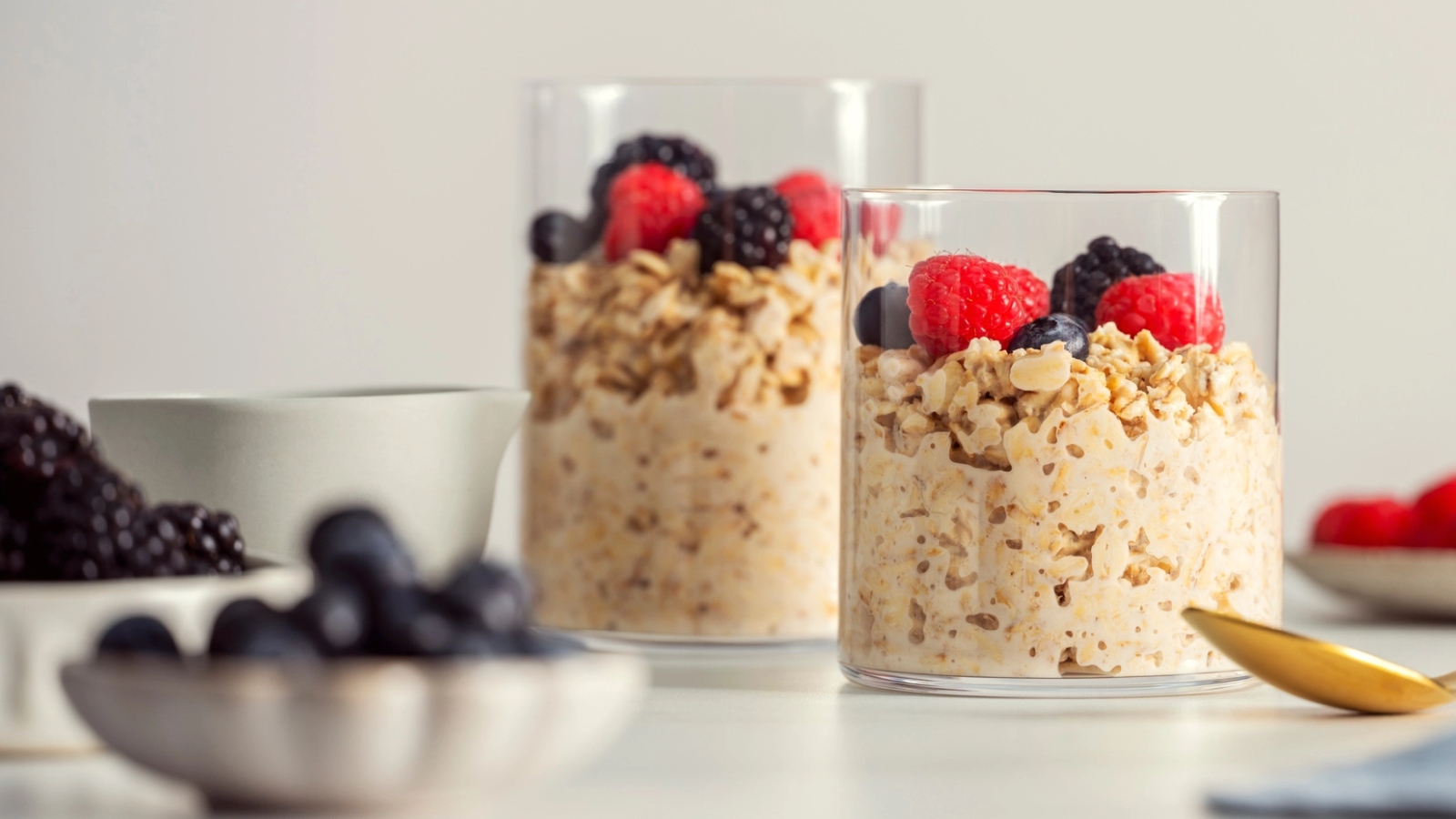
Here are some practical tips to help you effortlessly include these nutritional powerhouses in your meals.
Start your day right
Breakfast is an excellent opportunity to introduce superfoods. Add chia seeds or amaranth to your morning yoghurt or smoothie for a fibre-rich start to the day. Their subtle flavours blend well with fruits and dairy-free milk, ensuring you don’t compromise on taste.
Get creative with snacks
Snacks are a great way to incorporate superfoods like quinoa or buckwheat. Consider baking homemade granola bars or preparing energy balls with these grains as the base. They’re satisfying and packed with essential nutrients, perfect for midday cravings.
Enhance your main meals
Substitute traditional grains with gluten-free alternatives like teff or sorghum for lunch and dinner. Use them in salads, as a side dish, or in hearty stews. These grains are versatile and add a nutty flavour that enhances the overall taste of your meals.
Preparation tips to maximise benefits
Cooking methods can impact the nutritional value of food. To make the most out of your gluten-free superfoods, consider these preparation tips:
Opt for gentle cooking methods
- Steaming or boiling can preserve the vitamins and minerals in superfoods better than high-temperature cooking methods like frying. Try steaming your vegetables or grains lightly to keep their nutritional profile intact.
Soaking and sprouting
- Soaking nuts, seeds, and grains can reduce antinutrients that interfere with the absorption of minerals. Sprouting them may increase nutrient levels even further, making minerals like iron and zinc more available to your body.
Pairing for better absorption
- Combining certain superfoods can help enhance nutrient absorption. For example, adding a source of vitamin C, like strawberries or citrus fruits, to meals containing iron-rich superfoods like spinach can boost iron absorption, maximising your benefits.
Add these power-packed foods to your daily meals to boost your overall wellbeing. Each superfood delivers essential vitamins, minerals, and antioxidants that support your body, from strengthening your immune system to improving digestion.
Embrace gluten-free superfoods and enrich your diet with the best nutrients, while supporting your lifestyle needs.
Medical Disclaimer:
Food supplements should not be used as a substitute for a varied and balanced diet and are not intended to diagnose, treat, cure or prevent any ailments.
This website contains general information about food supplements. The information is not advice and should not be treated as such. All content, including text, graphics, images and information available through this website, is for general information purposes only. bodykind makes no representation and assumes no responsibility for the accuracy of the information available through this website, and such information is subject to change without notice.
bodykind does not recommend, endorse or make any representation about the efficacy, appropriateness or suitability of any specific tests, products, procedures, treatments or other information that may be contained on or available through this website.
You must not rely on the information on this website as an alternative to medical advice from your doctor or other professional healthcare providers. You should consult your doctor or other professional healthcare providers if you have any specific questions about any medical matter. You should seek immediate medical attention if you think you may be suffering from any medical condition. You should never delay seeking medical advice, disregard medical advice, or discontinue medical treatment because of information on this website.

Comments are closed here.