Gut Feeling: How microbiome health supports a longer, better life
When it comes to healthy ageing, you might first think of staying active or eating your greens. But another crucial player is working behind the scenes: your gut microbiome. This vast community of bacteria, fungi, and other microbes living in your digestive tract is increasingly recognised as a key factor in how well you age. From immunity to mood and even longevity, your gut health holds more power than you might realise.

Contents
- What is your gut microbiome, and why does it matter as you age?
- How does your gut microbiome change as you get older?
- Can an unhealthy gut accelerate ageing?
- Which foods are best for supporting a healthy gut in later life?
- Are probiotics and prebiotics necessary as you age?
- How does gut health influence your immune system as you age?
- Is there a link between gut health and brain ageing?
- What lifestyle habits help maintain a healthy gut as you age?
- How can you tell if your gut health needs attention?
- Your gut, your longevity ally
What is your gut microbiome, and why does it matter as you age?
Your gut microbiome is home to trillions of microorganisms that live mainly in your large intestine. Together, they form a diverse ecosystem that helps digest food, absorb nutrients, and protect against harmful invaders. These tiny microbes also produce essential compounds like short-chain fatty acids (SCFAs), which help maintain a strong gut lining and regulate inflammation.
As you get older, your body undergoes natural changes. Your muscles weaken, bones thin, and your immune system becomes less robust.
Your microbiome, too, is affected by age. A healthy, balanced gut microbiome can help slow some of these changes by supporting digestion, reducing inflammation, and keeping your defences strong. An unhealthy microbiome, on the other hand, may contribute to chronic conditions such as arthritis, heart disease, and cognitive decline.
How does your gut microbiome change as you get older?
Your gut microbiome is dynamic and adapts to your environment, diet, medications, lifestyle and overall health.
In childhood, your microbiome is highly diverse and resilient. But as you age, several things can cause this diversity to decline. Research shows that beneficial bacteria such as bifidobacteria and lactobacilli often decrease with age, while potentially harmful bacteria can thrive.
These shifts can make your digestive system less efficient, leading to issues like constipation, bloating, and reduced nutrient absorption. They can also affect your immune function, making you more vulnerable to infections and slower to recover from illness. In addition, age-related diseases like type 2 diabetes and cardiovascular conditions have been linked to imbalances in the gut microbiome.
Being aware of these natural changes makes it even more important to proactively support your gut health as you age.
Can an unhealthy gut accelerate ageing?
Yes, it can.
An imbalanced gut microbiome, a condition known as dysbiosis, can accelerate biological ageing through a process known as ‘inflammaging.’ This term describes low-grade, chronic inflammation that increases with age and is a major driver of many age-related diseases. Dysbiosis can trigger your immune system to overreact, keeping your body in a state of constant, simmering inflammation. Over time, this can damage tissues, speed up cellular ageing, and increase your risk of conditions like Alzheimer’s disease or osteoporosis.
Moreover, an unhealthy gut can interfere with the absorption of key nutrients, such as calcium, magnesium, and vitamins D and B12, which are crucial for bone health, energy, and cognitive function. Without proper gut support, your body’s ability to repair and regenerate slows down, making it even harder to maintain vitality as you age.
Which foods are best for supporting a healthy gut in later life?
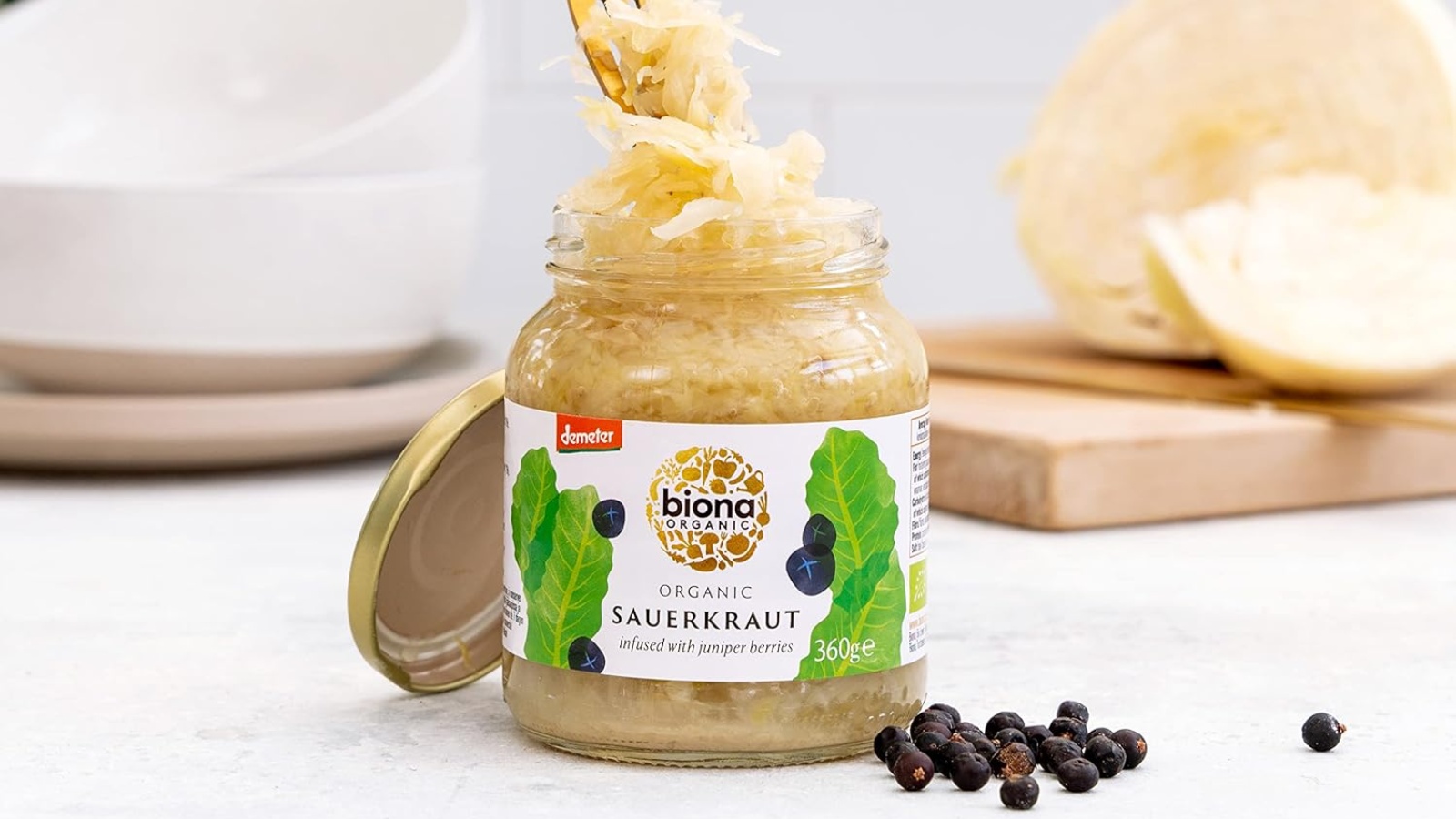
Diet is the most powerful tool you have to nurture your gut microbiome.
The microbes in your gut feed primarily on dietary fibre, so including a wide variety of fibre-rich foods is essential. Great choices include oats, barley, beans, lentils, leafy greens, broccoli, and root vegetables. These foods provide the prebiotic fibres that beneficial bacteria need to thrive.
Fermented foods are another powerful ally for your gut. Yoghurt, kefir, sauerkraut, kimchi, miso, and tempeh introduce live bacteria that help increase gut diversity and balance. Regularly including these foods can keep your microbiome robust and responsive.
Don’t overlook polyphenol-rich foods either. These natural plant compounds, found in foods like green tea, dark chocolate, berries, olive oil, and colourful vegetables, have been shown to promote the growth of beneficial bacteria and reduce inflammation.
Limiting processed foods, excess sugar, and unhealthy fats is equally important, as these can feed harmful bacteria and promote dysbiosis..
Are probiotics and prebiotics necessary as you age?
While a well-rounded diet is the foundation of gut health, probiotics and prebiotics can offer extra support, especially if you face digestive challenges or have been unwell.
Probiotics contain live bacteria that can help restore balance in your gut. Specific strains, such as lactobacillus and bifidobacterium, have been shown to benefit older adults by improving bowel regularity, reducing inflammation, and supporting immunity.
Prebiotics, found naturally in foods like garlic, onions, asparagus, and bananas, are fibres that feed your good bacteria. Prebiotic supplements can be useful if your fibre intake is low, but it’s best to prioritise whole foods.
If you’re considering a supplement, look for one with clinically studied strains and a clear label indicating the number of live organisms per dose. And always consult your healthcare provider before starting new supplements, especially if you have existing health conditions.
How does gut health influence your immune system as you age?
Your gut is home to nearly 70% of your immune cells, making it a crucial part of your immune system.
A well-balanced microbiome helps train your immune system to distinguish between harmful invaders and harmless substances, reducing the likelihood of allergies, autoimmune reactions, and infections.
As you age, your immune system becomes naturally less responsive, a process known as immunosenescence. This makes it harder to fend off infections and increases your risk of illnesses like pneumonia and shingles. A healthy gut can help counteract this decline by enhancing the activity of your immune cells and keeping inflammation under control. In short, the stronger your gut, the stronger your overall defences.
Is there a link between gut health and brain ageing?
Your gut and brain are intricately connected through the gut-brain axis, a complex network of nerves, hormones, and immune signals.
Your gut microbes produce neurotransmitters like serotonin and dopamine, which influence mood, cognition, and mental clarity. They also help regulate inflammation in the brain, which is increasingly linked to neurodegenerative diseases such as Parkinson’s and Alzheimer’s.
Studies show that people with balanced gut microbiomes are less likely to experience mood disorders and cognitive decline. Supporting your gut health may, therefore, offer protection not just for your body but for your mind as well, keeping you sharper and more emotionally resilient as you age.
What lifestyle habits help maintain a healthy gut as you age?

While diet is crucial, it’s not the whole picture. Your daily habits have a huge impact on your microbiome.
Regular physical activity, whether it’s brisk walking, swimming, yoga, or even gardening, has been shown to boost microbial diversity and improve your gut function. Aim for at least 150 minutes of moderate exercise per week.
Sleep also plays a key role. Poor sleep disrupts your gut microbiome’s natural rhythms, leading to imbalances. Prioritising good sleep hygiene and getting between seven and nine hours of quality sleep each night helps regulate your gut rhythms.
Managing stress is another vital factor. Chronic stress can harm your gut lining, increase inflammation, and promote the growth of harmful bacteria. Mindfulness, meditation, breathing exercises, and maintaining strong social connections are all valuable tools for keeping stress, and your gut, in check.
Finally, be mindful of medications. Antibiotics, while sometimes necessary, can wipe out both good and bad bacteria, while non-steroidal anti-inflammatory drugs (NSAIDs) can damage your gut lining. Use them only when needed and under medical advice.
If you do need antibiotics, it’s a good idea to follow up with a probiotic supplement such as Optibac For Those on Antibiotics or increase your intake of fermented foods to help restore balance and support your microbiome’s recovery.
How can you tell if your gut health needs attention?
Your body sends clear signals when your gut is struggling and out of balance. Digestive symptoms such as bloating, gas, constipation, diarrhoea and stomach pain are the most obvious red flags. But gut issues can also manifest in other less obvious ways, including fatigue, brain fog, skin rashes, joint pain, unexplained weight changes and frequent colds or infections. Some people also notice mood swings or trouble concentrating.
If you experience persistent symptoms or feel something isn’t right, it’s worth seeking advice. A healthcare professional can help identify any underlying issues and guide you towards appropriate solutions.
Your gut, your longevity ally
Healthy ageing is just about living longer, it’s about living better.
Your gut microbiome is a powerful ally in this quest, supporting your body from the inside out. By embracing a gut-friendly diet, staying active, managing stress, and making mindful lifestyle choices, you can nourish your microbiome and promote long-lasting health.
Remember: a happy gut is the foundation of a happy, healthy life, at every age.
Medical Disclaimer:
Food supplements should not be used as a substitute for a varied and balanced diet and are not intended to diagnose, treat, cure or prevent any ailments.
This website contains general information about food supplements. The information is not advice and should not be treated as such. All content, including text, graphics, images and information available through this website, is for general information purposes only. bodykind makes no representation and assumes no responsibility for the accuracy of the information available through this website, and such information is subject to change without notice.
bodykind does not recommend, endorse or make any representation about the efficacy, appropriateness or suitability of any specific tests, products, procedures, treatments or other information that may be contained on or available through this website.
You must not rely on the information on this website as an alternative to medical advice from your doctor or other professional healthcare providers. You should consult your doctor or other professional healthcare providers if you have any specific questions about any medical matter. You should seek immediate medical attention if you think you may be suffering from any medical condition. You should never delay seeking medical advice, disregard medical advice, or discontinue medical treatment because of information on this website.

Comments are closed here.