The Exercise Effect: Staying active for better periods
If you’ve ever felt like curling up with a hot water bottle rather than lacing up your trainers during your period, you’re not alone. However, embracing some form of physical activity might be just what your body needs. Engaging in exercise can play a significant role in managing and improving your menstrual health.

Contents
Should you exercise during your period?
When you’re on your period, often the last thing you feel like doing is going to the gym or out for a morning jog, but exercise during your period can be beneficial.
So, yes is the simple answer, but it’s all about balance and listening to your body. If you really don’t feel like exercising, don’t, and don’t punish yourself for it.
Adjust your activities to suit how you feel, and don’t hesitate to take it easy when needed. By staying active, you’re not just keeping fit, you’re also taking charge of your menstrual health. Remember, your body is unique, so find what works best for you and make your period a reason to prioritise your wellbeing.
What are the benefits of exercising during your period?
Exercise is a powerful tool that benefits your mind and body at any time, enhancing your overall wellbeing and boosting your mental health. Regular physical activity can elevate your mood, sharpen your mind, and improve your physical health, leading to a more balanced and energetic life. All of these benefits can be felt during your period too.
Exercising during your period can also help alleviate some of the symptoms that make your cycle uncomfortable. You might worry about cramps, fatigue, or other issues, but moderate physical activity could be just what you need.
Boost your mood and energy
It’s not uncommon to feel a bit low during your period due to the fluctuating hormones. Engaging in physical activity can significantly boost your mood. Exercise stimulates the production of endorphins, often known as ‘feel-good’ hormones. These natural mood lifters combat the effects of PMS, reducing feelings of depression and anxiety. So, next time you’re feeling the menstrual gloom, a brisk walk or a gentle yoga session could be just what you need to uplift your spirits.
Reduce pain and cramps
If you experience cramps, you might be surprised to learn that working out could lessen their severity. Exercise increases your blood circulation, which helps to relieve menstrual cramps by easing muscular tension. Activities like light cardio, stretching or yoga can be particularly effective. These exercises help relax the muscles in your lower abdomen, back and thighs, reducing the pain associated with menstrual cramps.
Combat menstrual headaches
Many women suffer from headaches and even migraines due to hormonal changes during their period. Regular aerobic exercise can decrease the intensity and frequency of these headaches. Exercise promotes better blood flow and provides an analgesic effect without medication.
Help with bloating
Feeling bloated before or during your period is a common complaint. Exercising can help manage this uncomfortable symptom by improving your body’s salt balance through sweating. Movement also speeds up the passage of gas through your digestive tract and reduces gastrointestinal symptoms, which can contribute to bloating.
Manage your weight
Maintaining a regular exercise regime can help you manage weight gain associated with your menstrual cycle. Hormonal fluctuations can lead to water retention and increased appetite, pushing you towards weight gain. Regular workouts help burn calories and keep those period-induced hunger pangs in check.
Improve your sleep
Sleep issues are another symptom that can plague you during your period. Exercise has been proven to help combat insomnia and improve sleep quality. However, aim to complete your workout a few hours before bedtime to ensure that the boost in energy provided by exercise doesn’t keep you awake.
What exercise is best for your period?
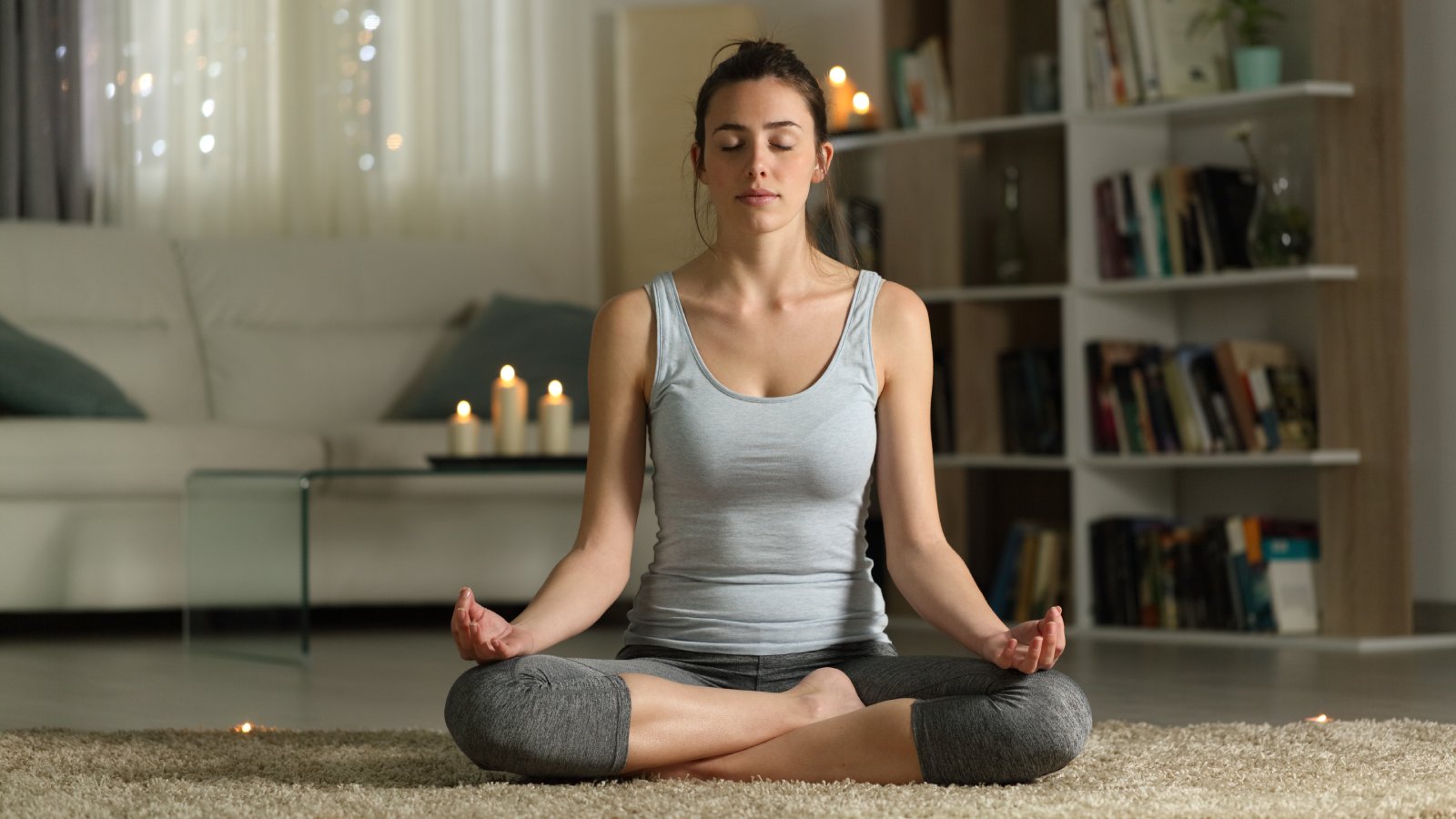
When your period arrives, it can bring with it the dilemma of whether to hit the gym or the couch. While it might be tempting to choose the latter, engaging in the right types of exercise during your period can alleviate some of the discomforts you might feel. Here’s how you can stay active and what exercises might be best for you during your period.
Low impact activities
- Yoga: Yoga isn’t just beneficial for your mental health; it can also be a gentle way to engage your body during your period. Yoga and pilates are excellent for gentle stretching and relaxation. They can help ease muscle tension and maintain your flexibility, without putting too much strain on your body. Certain poses, like the Child’s Pose or Cat-Cow, can relieve back pain and menstrual cramps. Moreover, the calming nature of yoga helps reduce stress, which can exacerbate period symptoms.
- Walking: Never underestimate the power of a walk. This low-impact exercise helps to keep you active without straining your body. A brisk walk in your local park can increase your blood circulation, easing menstrual cramps and boosting your mood through the release of endorphins.
- Stretching: Maintaining flexibility and easing muscle tension is vital, especially during your period. Incorporate daily stretching routines to lessen menstrual pain and improve your overall wellbeing.
Strength training and core workouts
While it might seem counterintuitive, engaging in moderate strength training and core exercises can actually be beneficial during your period. Working on your core can strengthen the muscles around your lower abdomen, potentially reducing cramps. Just be mindful not to push yourself too hard, as your body might be more sensitive during this time. Here are a few exercises you can try:
- Planks: A fantastic way to build core strength without too much movement that might worsen cramps.
- Light weightlifting: Stick to lighter weights and fewer reps to keep your body engaged without overexertion.
Swimming
You might be tempted to shy away from the pool during your period, but swimming is an excellent form of exercise that combines the benefits of a full-body workout with the soothing properties of water. The buoyancy of water supports your body and reduces strain on your muscles, while the water resistance ensures a good workout. Swimming can also help with bloating and ease menstrual discomfort.
Tips for maintaining your fitness during your period
- Listen to your body: Your body knows best, and during your period, it might need different things on different days. If you feel tired, it’s okay to scale back the intensity of your workouts or take a day off.
- Stay hydrated: Regardless of the type of exercise, staying hydrated is crucial, especially during your period when you can lose additional body fluids.
- Wear comfortable clothing: Opt for breathable, stretchy fabrics that will move with you and not against you, making your exercise routine more comfortable.
- Consider supplementation: To help manage fatigue and replenish lost nutrients during your period, consider adding a supplement to your routine. Iron, magnesium, and vitamin B complex are particularly beneficial for supporting energy levels and overall wellbeing during menstruation. Many brands offer products specifically to support you during your period. Try Cleanmarine Period Plan, DR.VEGAN PMS Hero or Hello Wellness Hello Hormones. Always choose high-quality supplements from reputable brands to ensure you’re getting the best support for your health.
Exercising during your period doesn’t have to be a chore nor should it be painful.
By choosing appropriate, low-impact exercises and listening to what your body needs, you can maintain your fitness routine throughout your period. This approach will help manage physical symptoms and uplift your spirits during what can sometimes be a tough time of the month.
So, next time your period starts, consider lacing up your trainers for a gentle jog or unrolling your yoga mat for some much-needed stretches. Your body will thank you for it!
Medical Disclaimer:
Food supplements should not be used as a substitute for a varied and balanced diet and are not intended to diagnose, treat, cure or prevent any ailments.
This website contains general information about food supplements. The information is not advice and should not be treated as such. All content, including text, graphics, images and information available through this website, is for general information purposes only. bodykind makes no representation and assumes no responsibility for the accuracy of the information available through this website, and such information is subject to change without notice.
bodykind does not recommend, endorse or make any representation about the efficacy, appropriateness or suitability of any specific tests, products, procedures, treatments or other information that may be contained on or available through this website.
You must not rely on the information on this website as an alternative to medical advice from your doctor or other professional healthcare providers. You should consult your doctor or other professional healthcare providers if you have any specific questions about any medical matter. You should seek immediate medical attention if you think you may be suffering from any medical condition. You should never delay seeking medical advice, disregard medical advice, or discontinue medical treatment because of information on this website.

Comments are closed here.